
Children with birth defects experience higher rates of hospitalisation for ALRIs before age 2 years than children with no birth defects.
The families of 100 Aboriginal children and 180 non-Aboriginal children participated in the ... circumstances in adulthood," Dr Lehmann said. "In Abo…
bacterial lung infections in Aboriginal Australian children? Aboriginal children are 10 times ... to die from lung disease than non-Aboriginal childr…

research to tackle childhood cancer, asthma, respiratory viral infections and more. The funding ... and UWA) will go toward developing an inpatient A…
Poor environmental health is prevalent in remote Aboriginal communities and requires further delineation to inform environmental health policy
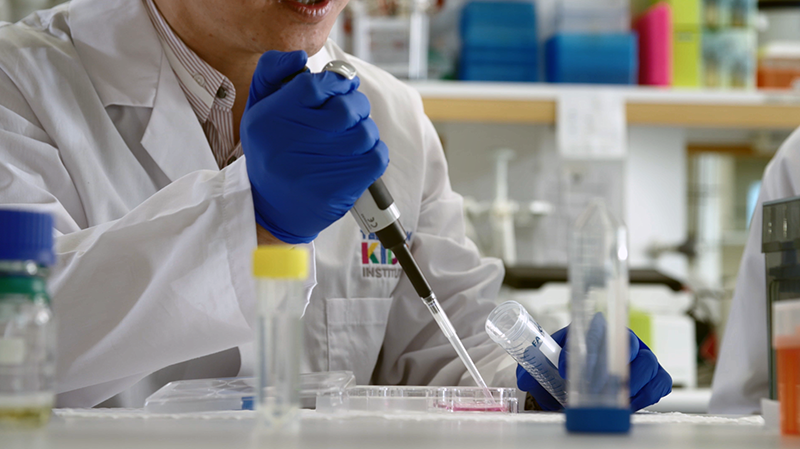
health issues including respiratory disease, brain cancer, vaccination and Aboriginal health. The Kids ... health research including wet cough in Abo…
Using linked data, we describe changes in respiratory virus testing among children born in Western Australia in 1996-2012
Aboriginal children hospitalised with acute lower respiratory infections (ALRIs) are at-risk of developing bronchiectasis, which can progress from un…
Middle ear infections are one of the main reasons that children visit a GP, are prescribed antibiotics and need surgery. Aboriginal children are part…
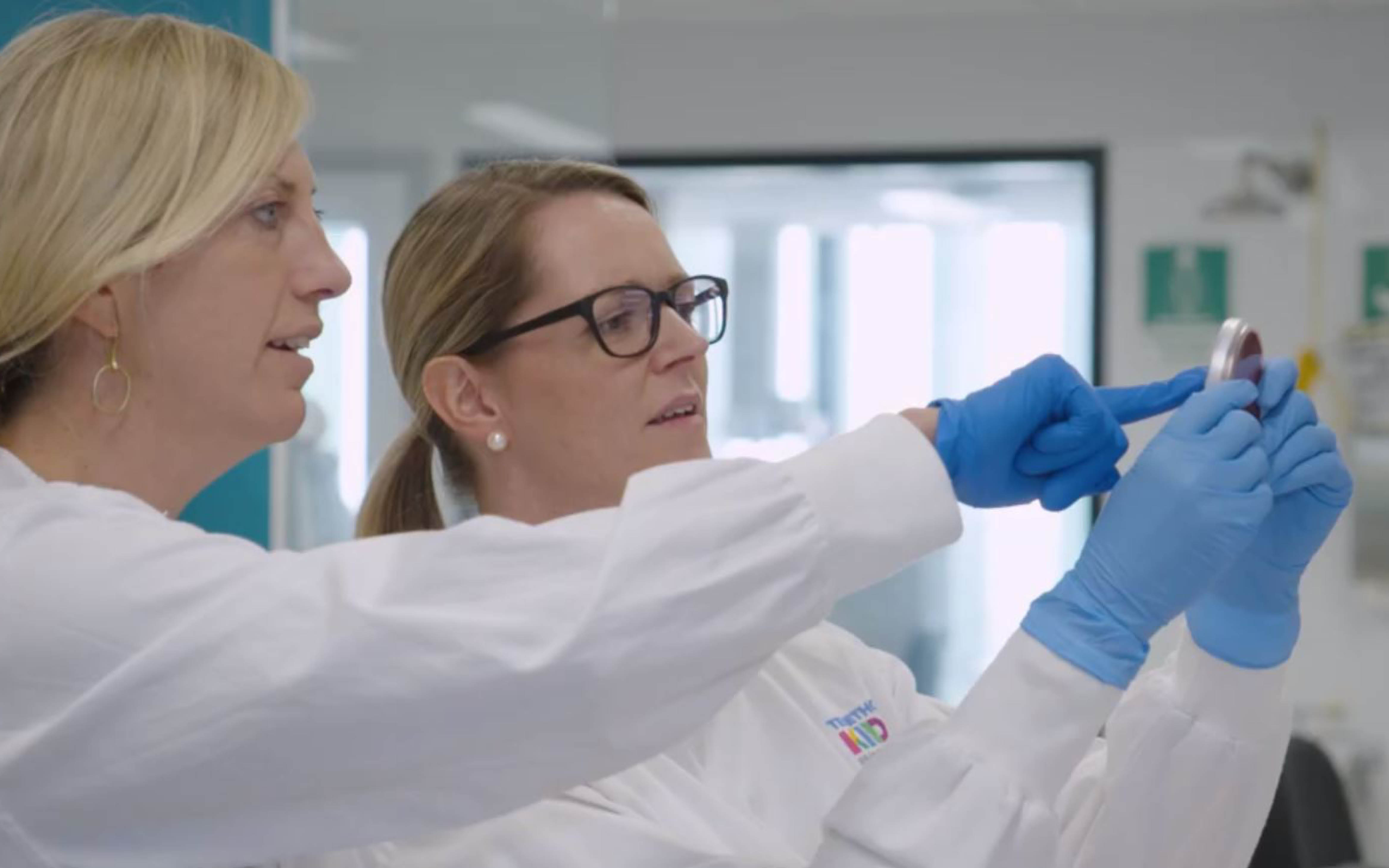
The Bacterial Respiratory Infectious Disease Group (BRIDG) has a major focus ear and lung disease involving Streptococcus pneumoniae and Haemophilus…