
Search
Showing results for "early lung health"
People with intellectual disability experience higher rates of physical and mental health problems than those without intellectual disability. Health literacy includes accessing, understanding, appraising and applying health information. Improving health literacy is associated with better health outcomes. The internet is a primary source of health information for many people. This study aimed to evaluate available online health resources for people with intellectual disability and their families to understand information gaps.
Optimal mental health in the pre-conception, pregnancy and postpartum periods is important for both maternal and infant wellbeing. Few studies, however, have focused on Indigenous women and the specific risk and protective factors that may prompt vulnerability to perinatal mental disorders in this culturally diverse population.
Intakes of both regular fat and reduced fat dairy products were associated with similar cardiometabolic associations in adolescents
Young children, particularly those younger than six (6) months are at increased riskof severe influenza infection.
The formation of online communities instils a sense of connectedness which can ameliorate the mental health concerns that result from minority stressors for lesbian, gay, queer, intersex, asexual, and other diverse genders/sexualities (LGBTQIA+). The aim of this study was to explore how LGBTQIA + people communicate social and mental health concerns on TikTok.
Rett syndrome is a genetically caused neurodevelopmental disorder associated with severe impairments and complex comorbidities. This study examined predictors of anxiety and depression in Rett syndrome, including genotype.

The Kids Research Institute Australia's Adelaide facility has been officially opened by South Australian Premier Peter Malinauskas.
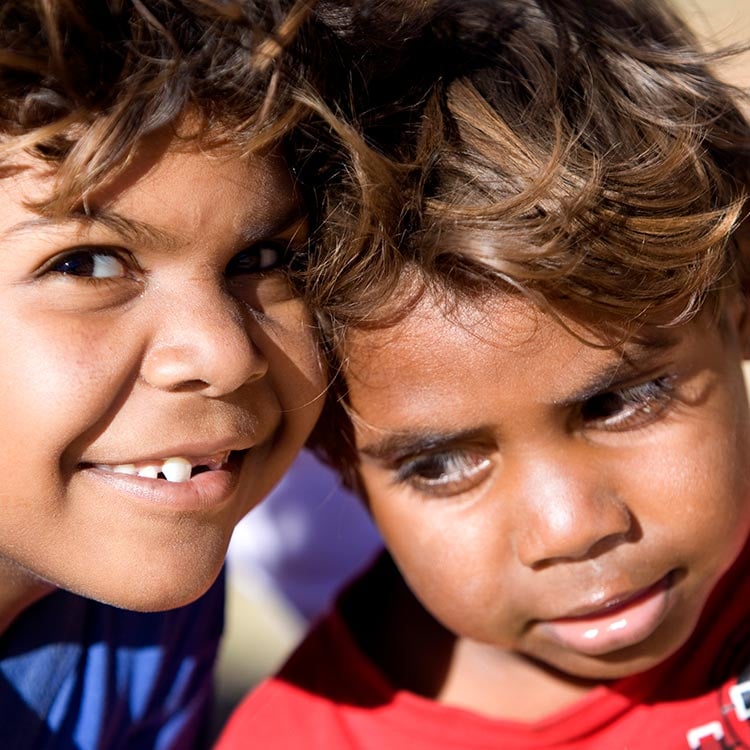
A multi-disciplinary team of researchers will use more than 40 years of data to pinpoint crucial areas that could be “turning points” in development where intervention could contribute to closing the gap in Aboriginal health in Australia.
This study aimed to validate qPCR assays for specific microbiota, for use on dental plaque samples stored on Whatman FTA cards to compare relative oral health risk in Rett syndrome.
No validated oral health-related quality of life (OHRQOL) instrument currently exists for those with severe intellectual and developmental disabilities and who communicate non-verbally. This qualitative study aimed to explore the domains that were important to the oral health-related quality of life in individuals with Rett syndrome.