
Search
News & Events
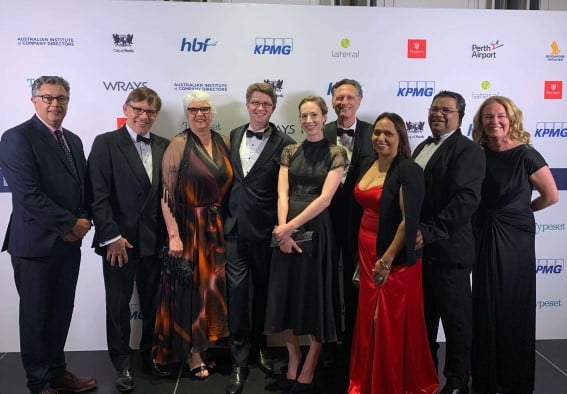
The Kids ear health researcher takes out top science prize at 40Under40 AwardsDr Chris Brennan-Jones received the Woodside STEM Award for Excellence in Science at the prestigious 40Under40 Awards.

News & Events
Kids swamped by ads for junk food and alcoholAn audit of outdoor food advertising near Perth schools has found that three-quarters of the promotions were for junk food and alcohol.
News & Events
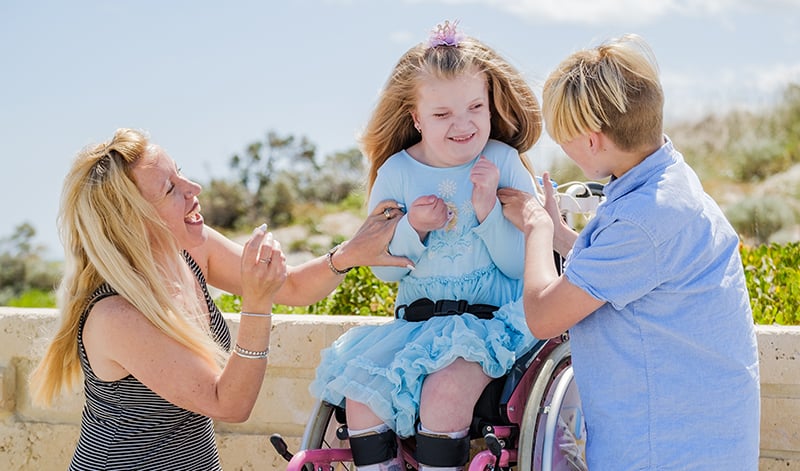
What’s in a name?In WA, 60,000 kids live with a rare disease, and of those about half do not have a diagnosis. At The Kids, researchers are leading the charge in developing a method to identify genetic variations, so that kids like Charlotte can get answers.
News & Events
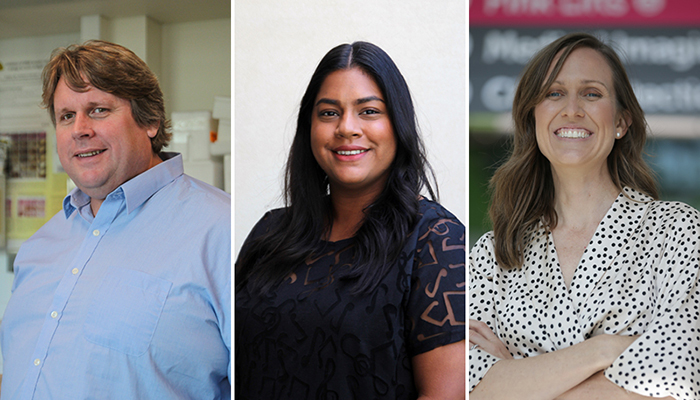
WA Child Research Fund grants boost research for premmies, kids with cancer and rare diseasesThe Kids Research Institute Australia researchers have been awarded 12 of 16 grants under the latest round of funding from the WA Child Research Fund
News & Events
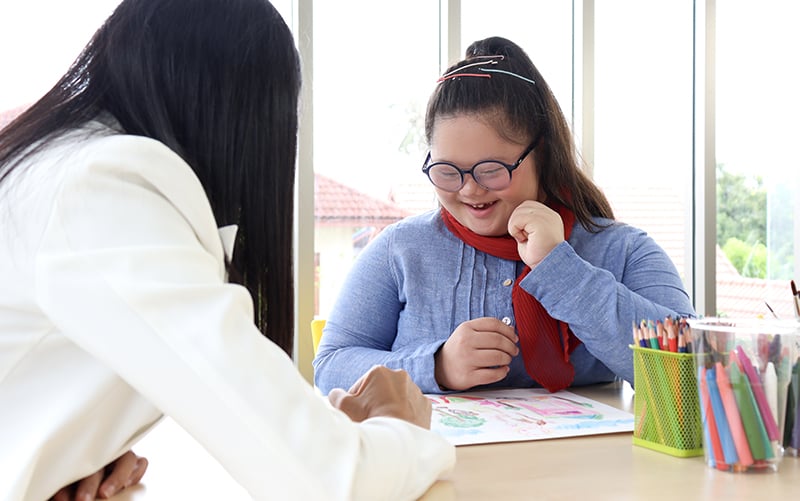
Participation key to quality of life for kids with disabilityThe Kids Research Institute Australia researchers have called for a greater focus on creating opportunities for children with disability to participate in the community, after finding a clear link between participation and better quality of life.
News & Events
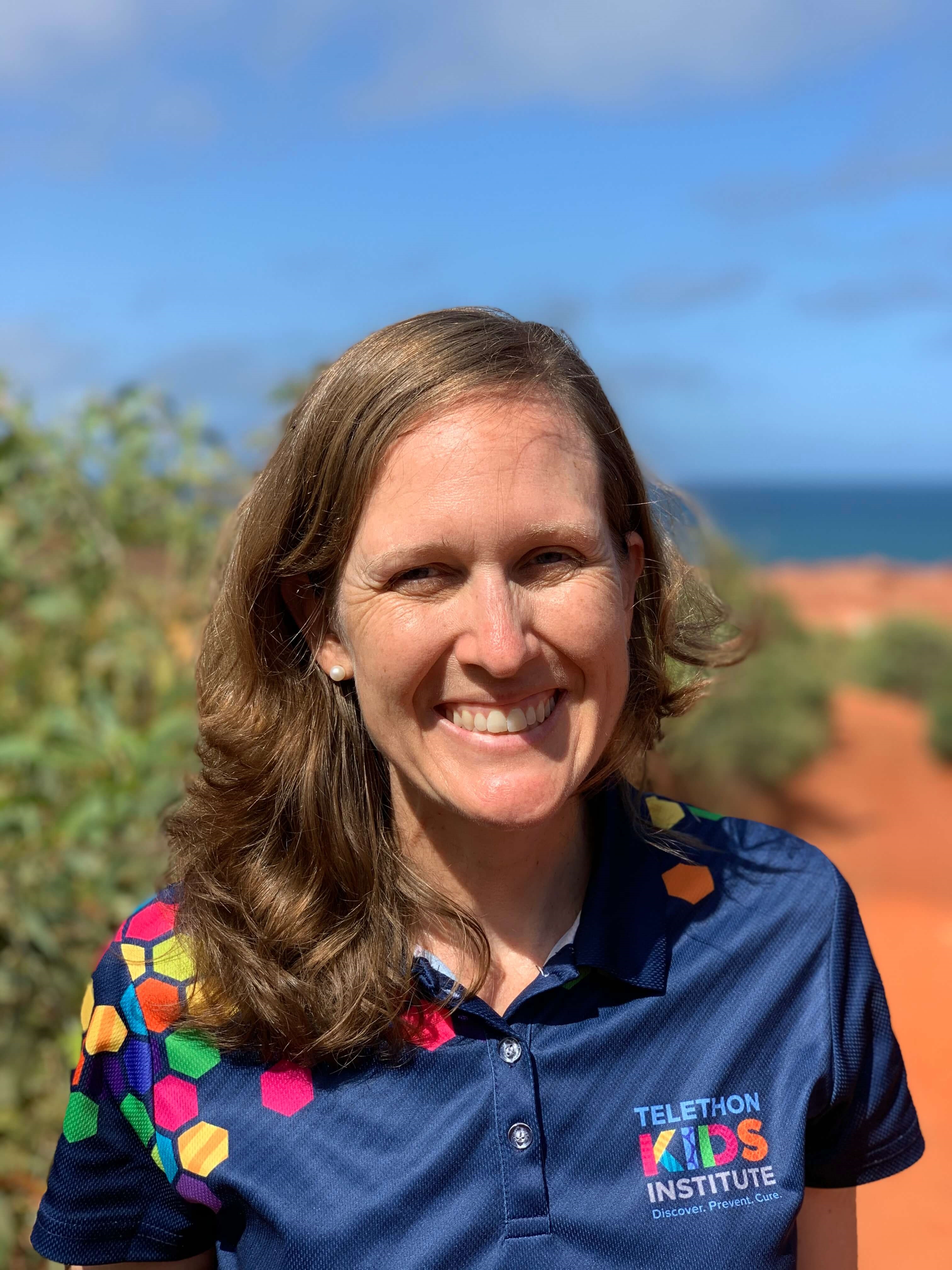
The Kids Research Institute Australia researcher wins Eureka Prize for Emerging Leader in SciencePaediatric infectious disease expert and clinician-scientist Associate Professor Asha Bowen has been named as the Emerging Leader in Science at the country’s most prestigious science awards – the Australian Museum Eureka Prizes.
News & Events
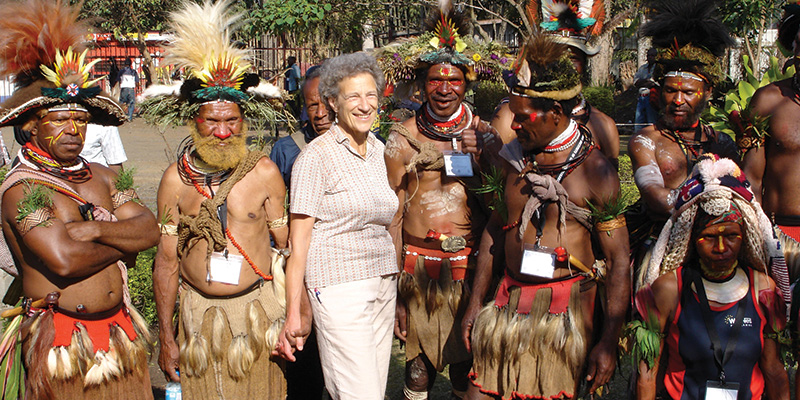
‘Mama’ deb’s dedication to saving children in Papua New GuineaChildren living in Papua New Guinea have good reason to call Clinical Associate Professor Deborah Lehmann ‘Mama Deb’.
News & Events
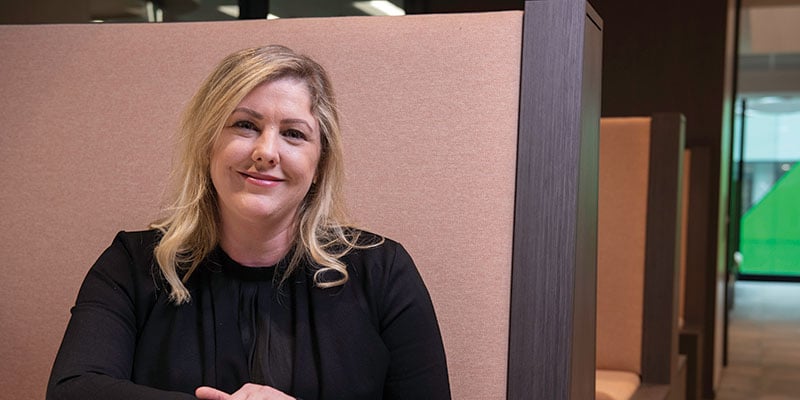
Atlas maps a pathway to happy, healthy childhoodThe Child Development Atlas is proving popular even before its official launch - bringing together government services.
News & Events
The Kids Email Alert (January 2018)You may have received an email claiming to be from The Kids Research Institute Australia with an outstanding invoice attached. Do not open this attachment.
News & Events
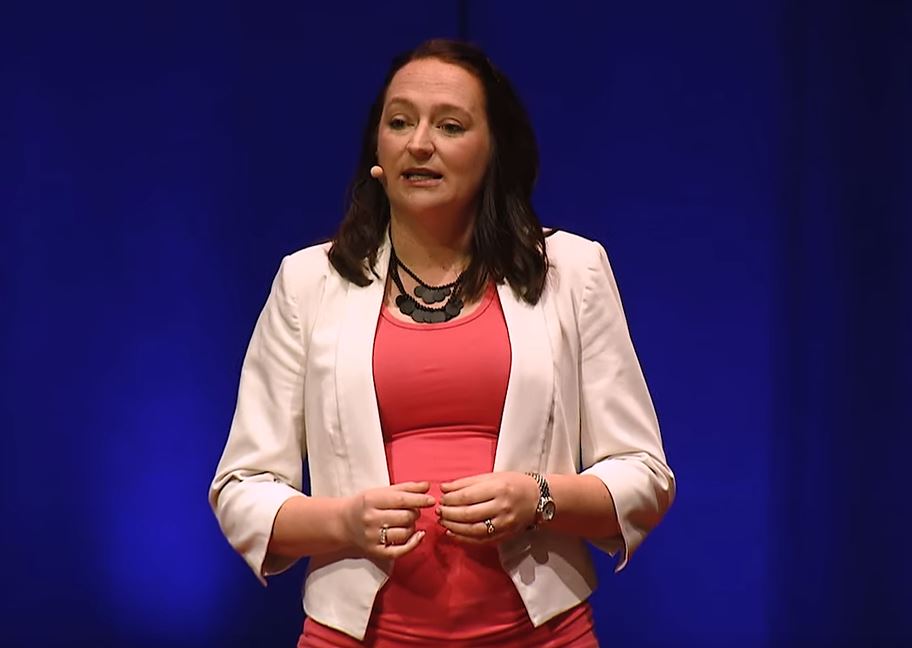
Sharing the power of data at TEDx PerthDr Hannah Moore was one of WA’s brightest minds chosen to speak at TEDX Perth in November last year, presenting her insights into the power of data in fighting infectious diseases to a sold-out crowd at the Perth Concert Hall.