
Search
Showing results for "autism"
Research
Patterns of sedentary time and ambulatory physical activity in a Danish population of girls and women with Rett syndromeHigh levels of sedentary time and low daily step counts in a Danish population of females with Rett syndrome
These resources include the best available evidence about the course of Rett syndrome and its management as well as practical information about family associations, specialist clinical centres and links to relevant websites.
News & Events
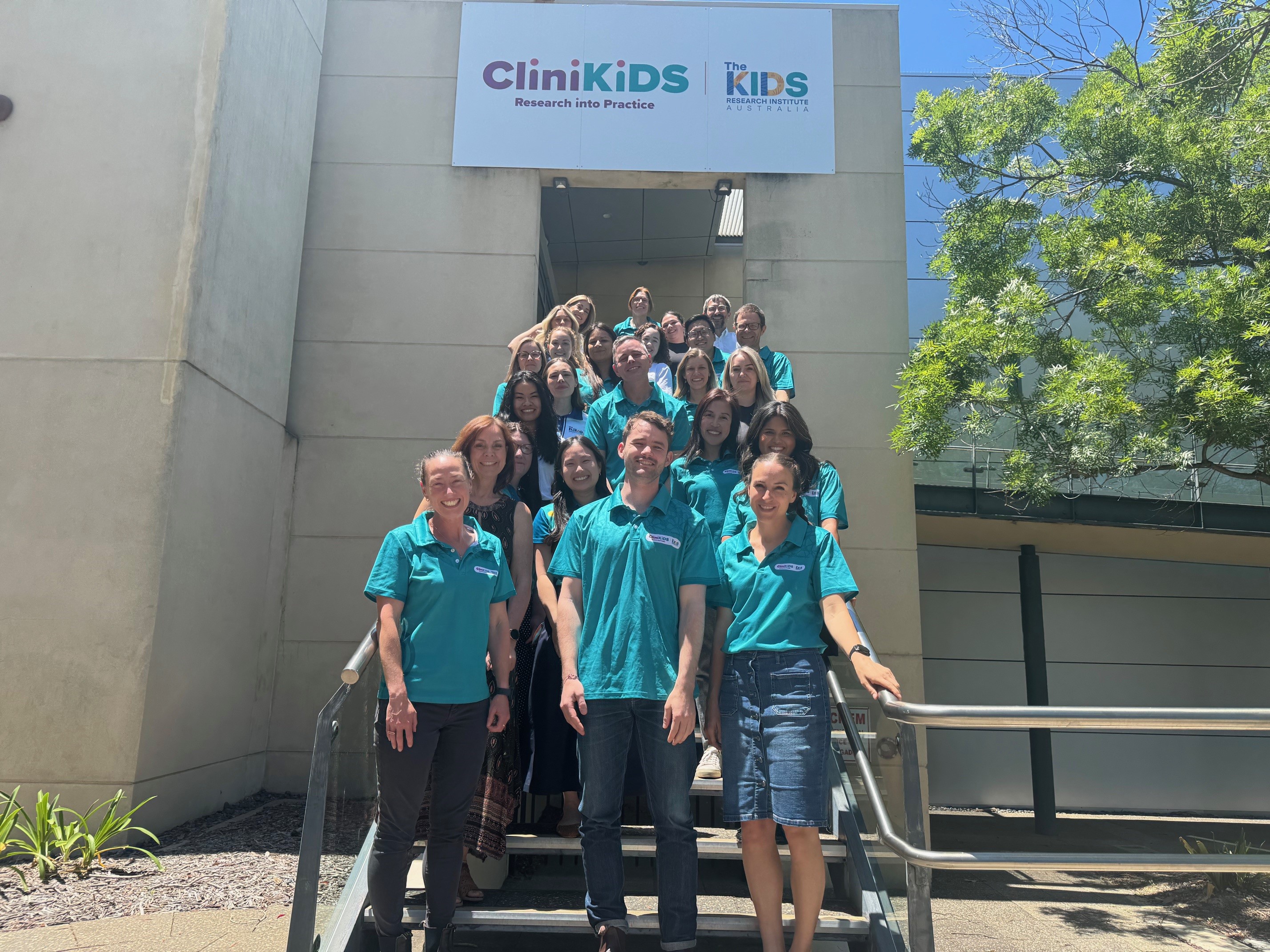
Team update - December 2025Here is a rundown of staff movements within the clinical team including new faces, staff returning from parental leave and a colleague we soon will farewell for an exciting new adventure.
News & Events
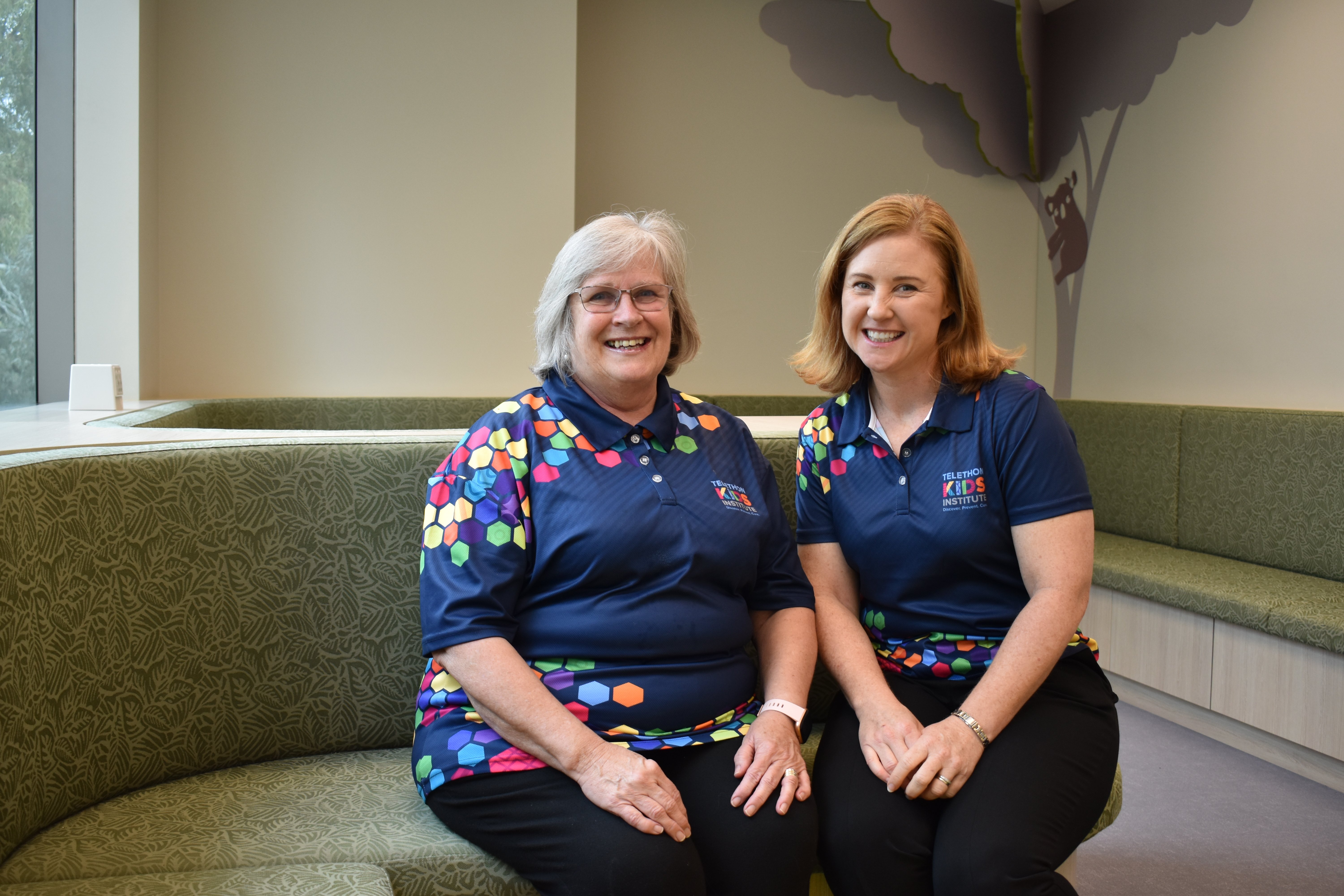
New team members!CliniKids recently welcomed Gayle, Tarryn and Emma to the clinical team. The clinicians will be located out our new Joondalup clinic, which will be welcoming families in Term 4.
Research
Longitudinal bone mineral content and density in Rett syndrome and their contributing factorsBone mass and density are low in females with Rett syndrome.
Research
Evolving Trends of Gastrostomy Insertion Within a Pediatric PopulationNew gastrostomy insertion among children who require long-term enteral feeding support increased over the study period
Research
Resilience and Posttraumatic Growth after Burn: A Review of Barriers, Enablers, and Interventions to Improve Psychological RecoveryBurn injuries are traumatic experiences that can detrimentally impact an individual’s psychological and emotional wellbeing. Despite this, some survivors adapt to psychosocial challenges better than others despite similar characteristics relating to the burn.
Research
Wellbeing and distress in young people with chronic conditions: how do positive psychology variables relate to mental health outcomes?The aim of this study was to determine the unique and shared contributions of various positive psychology constructs (gratitude, optimism, hope, self-compassion, self-efficacy, and emotion regulation) to wellbeing and distress outcomes in young people living with a diverse range of chronic health conditions.
Research
A wellbeing program to promote mental health in paediatric burn patients: Study protocolOne of the most traumatic injuries a child can experience is a severe burn. Despite improvements in medical treatments which have led to better physical outcomes and reduced mortality rates for paediatric burns patients, the psychological impact associated with experiencing such a traumatic injury has mostly been overlooked. This is concerning given the high incidence of psychopathology amongst paediatric burn survivors.