Search
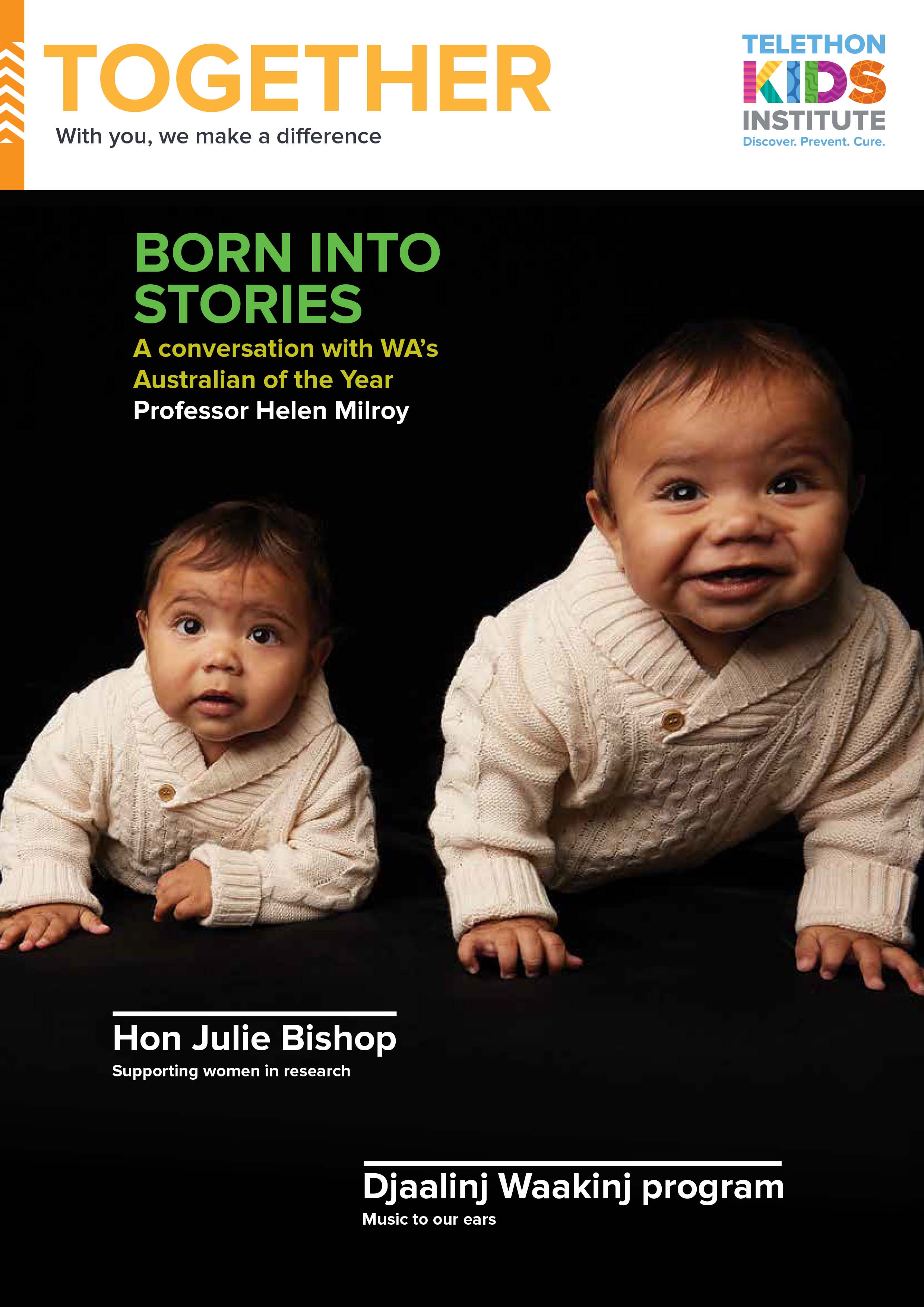
Read the summer 2025 edition of the Together Magazine
News & Events
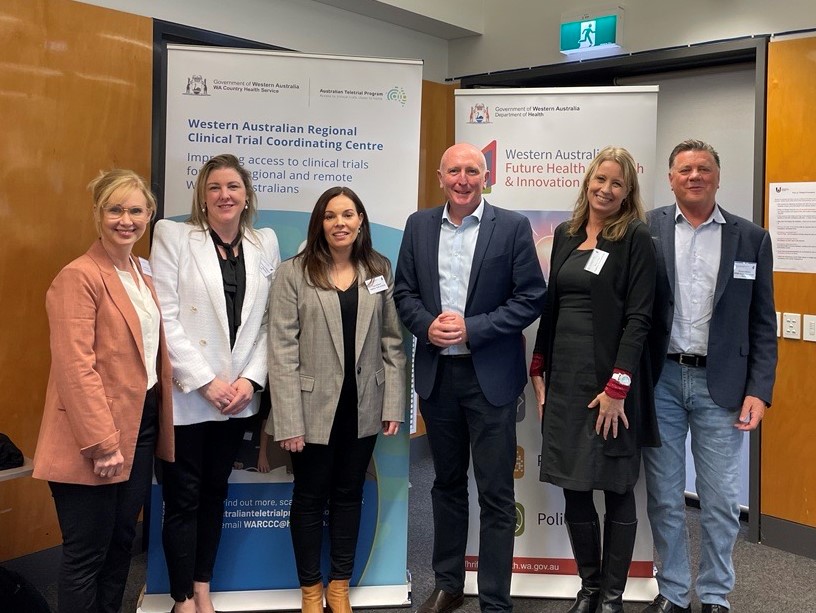
WA Cohorts Network welcomes FHRI Funding AnnouncementThe State Government has launched the new WA Cohort Studies Research Project Support Program, recognising the value and importance of the three major cohort studies in WA.
News & Events
Honours/Masters scholarship - now openWe provide opportunities for integrated research and clinical projects and scholarships are granted on a competitive basis to outstanding candidates.
News & Events
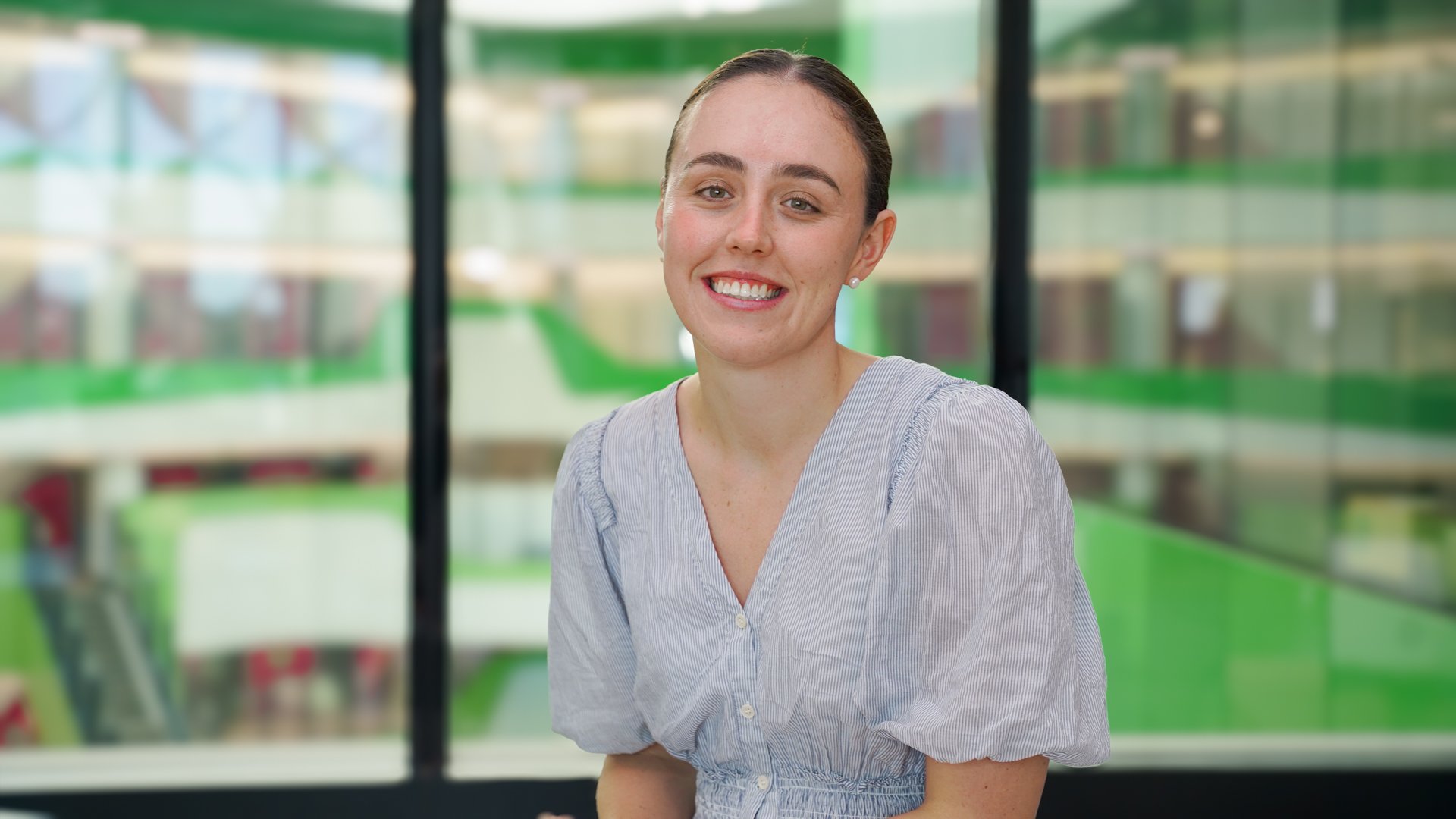
Congratulations Dr Anna BoggissAnna has been awarded a three-year Fellowship to tackle the urgent gap in care in young Western Australians living with type 1 diabetes who are at heightened risk of developing eating disorders.
News & Events
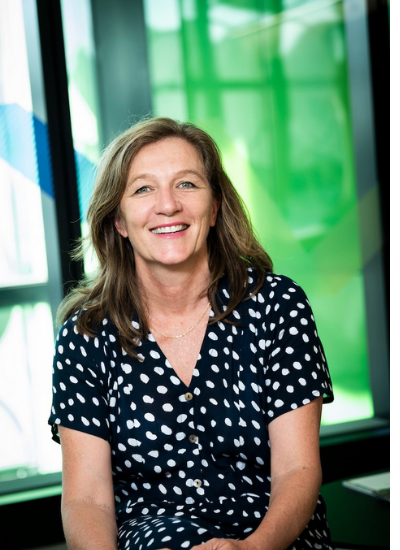
Major funding to transform diabetes managementCongratulations to Professor Liz Davis and her team at the Rio Tinto Children's Diabetes Centre, who have received significant digital health grants through the Future Health Research and Innovation (FHRI) Fund.
PhD Scholarship opportunities The Rio Tinto Children’s Diabetes Centre; A JDRF Global Centre of Excellence, (“the Centre”) based at The Kids Research
News & Events
National Diabetes Week (Q&A with Dr Keely Bebbington)For National Diabetes Week, we sat down with Dr Keely Bebbington to talk about her amazing work in research.