
Search
News & Events
Hormones in utero influence facial structureHormone levels in the womb may determine how masculine or feminine your facial features are as an adult, The Kids Research Institute Australia researchers have found.

News & Events
Two The Kids researchers appointed Academy FellowsThe Kids Researchers Professor Susan Prescott and Professor Donna Cross have been appointed Fellows of the prestigious Australian Academy of Health and Med

News & Events
Watch the video of our community lectureOne of the 50 most influential scientists in the world today, Professor Leroy Hood, delivered The Kids Research Institute Australia Community Lecture on Tue December 1st.
News & Events
Every day counts in the classroomA recent study from The Kids Research Institute Australia has revealed some interesting facts about just how important those school attendance days are.
News & Events
Pick up a bookA number of studies at The Kids Research Institute Australia show that reading and talking with your child and sharing language-based encounters, can have a huge impact.
News & Events
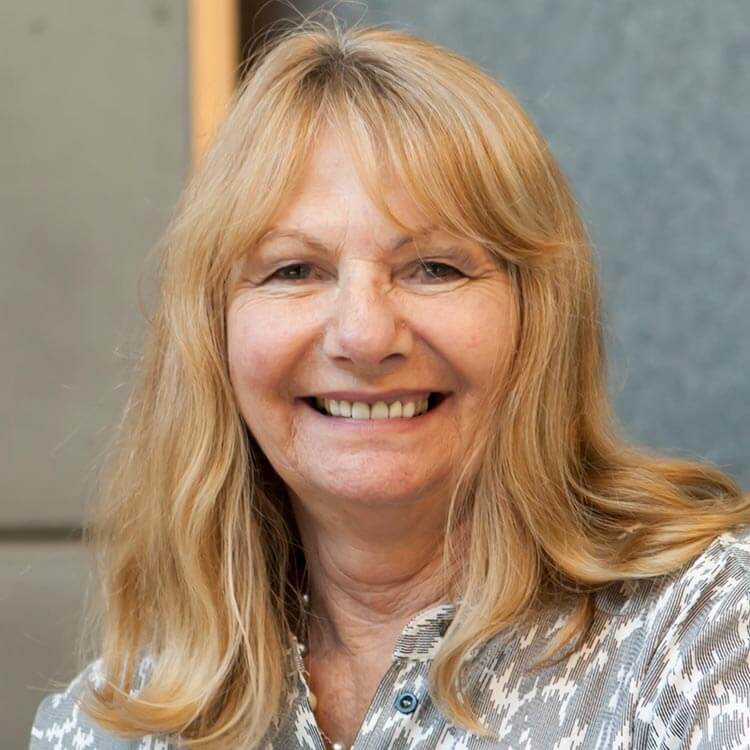
Every Friday: Child Health Research Seminars 2014Associate Professor Roz Walker has been involved in research, evaluation and education with Aboriginal communities building local capacity for 30 years.

News & Events
Funding boost for medical researchResearchers from The Kids Research Institute Australia are amongst those who will benefit from new medical research funding announced today by the WA State government.
News & Events
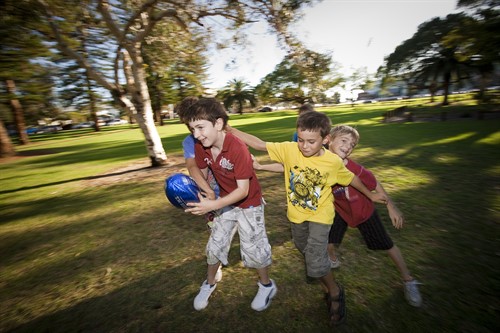
Outdoor playHave you ever wondered what impact the design of your backyard and the design of your neighbourhood is having on the health of your kids?
News & Events
Medibank funding for new maternity studyThe Kids Research Institute Australia researcher Dr Kim Clark has been awarded funding of almost $50,000 from a new health research fund launched by Medibank
News & Events
Trans Tasman action to fast track rheumatic fever vaccinePrime Ministers of Australia and New Zealand have agreed to provide $3M to help fast-track the development of a vaccine against rheumatic fever.