
Search
Showing results for "autism"
These data provide the first evidence for a broad autism phenotype expressed in a physical characteristic
In the first multinational study of birth seasonality of autism spectrum disorder, there was evidence supporting the presence of seasonal trends in Finland and Sweden
Our data suggest an overall dysregulation in resting autonomic activity in adults with autism spectrum disorder
Emma Helen Glasson Leonard BPsych BSc (Hons) PhD MBChB MPH Senior Research Fellow Principal Research Fellow +61 419 956 946 emma.glasson@
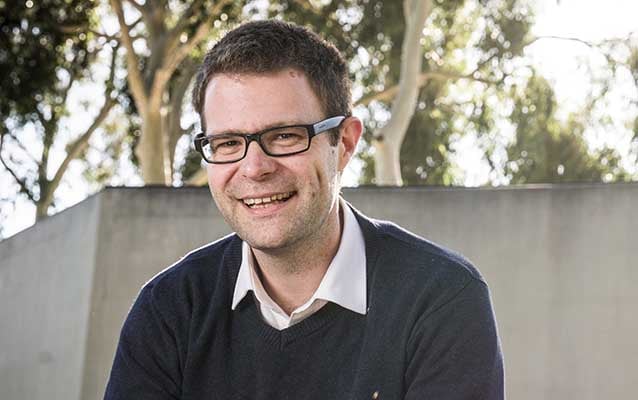
A new study that combines data from over 20 million births has found that a caesarean section delivery is associated with autism spectrum disorder (autism) and attention-deficit hyperactivity disorder (ADHD).
The Telethon Institute will play a key role in a ground breaking, multi-million dollar Autism research centre announced by Prime Minister Julia Gillard.
Research has found a link between children with larger head measurements in-utero and a subsequent diagnosis of Autism Spectrum Disorder (ASD) as toddlers.
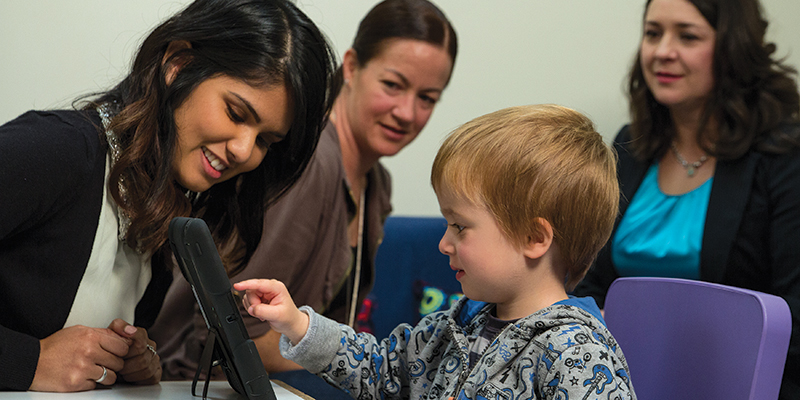
An attention-training game developed by researchers at The Kids Research Institute Australia is helping to improve social skill development in school-aged kids with autism.
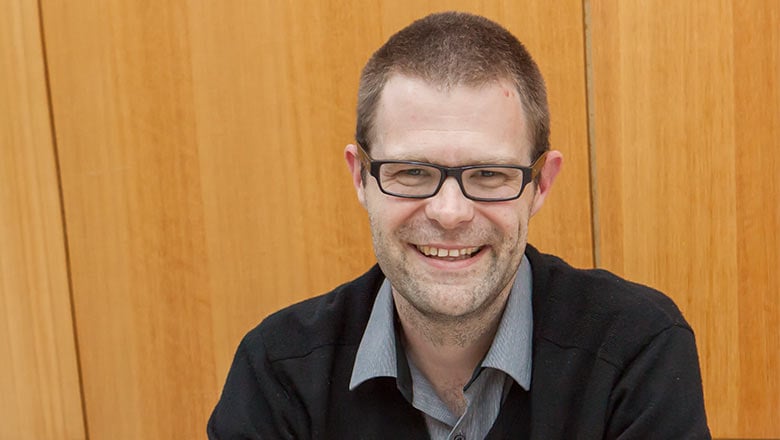
Researchers have shown that the so called 'autism epidemic' is due to an increase in the diagnosis of children with less severe behavioural symptoms.
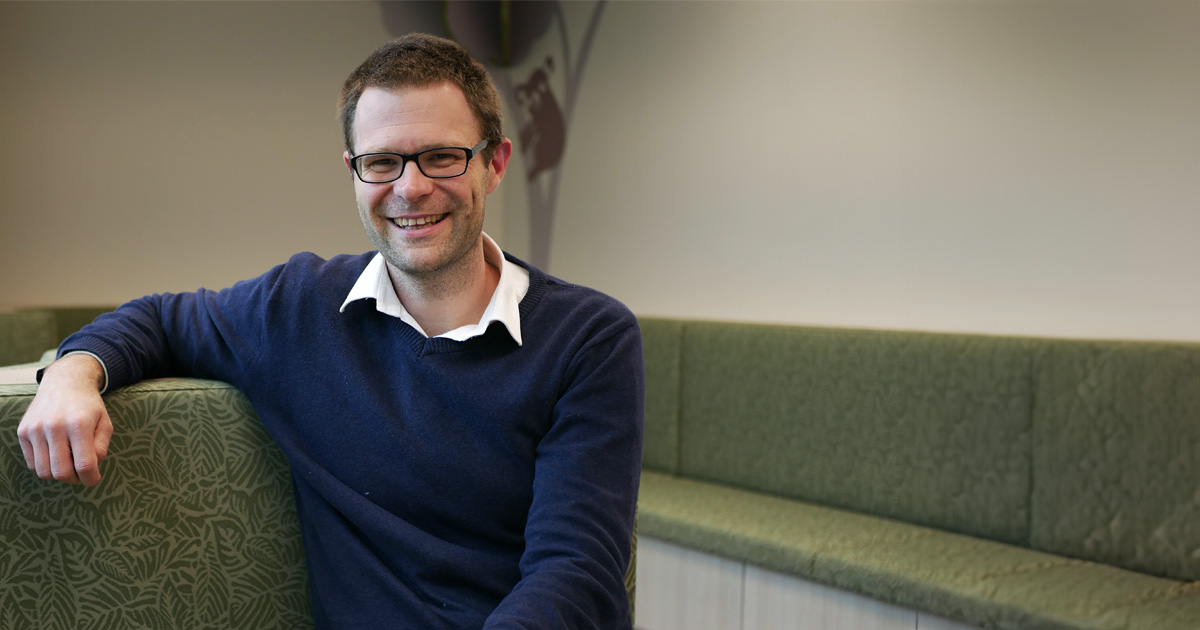
The Kids Research Institute Australia autism researcher Professor Andrew Whitehouse has been inducted as a Fellow to the International Society for Autism Research (INSAR), making him just the fourth Australian to be bestowed the honour.