
Search
Showing results for "1"
Research
A bivalent Neisseria meningitidis recombinant lipidated factor H binding protein vaccine in young adults:Neisseria meningitidis is a leading cause of meningitis and septicaemia, but a broadly-protective vaccine against endemic serogroup B disease is not licensed...
Research
Vitamin D supplementation, moderate sun exposure, and control of immune diseasesThere is considerable debate about the benefits of vitamin D supplementation for multiple sclerosis, allergic asthma, and type 1 diabetes.
Research
Genome-wide association and large-scale follow up identifies 16 new loci influencing lung functionPulmonary function measures reflect respiratory health and are used in the diagnosis of chronic obstructive pulmonary disease.
Research
Evaluation of the Learning+ Pilot ProgramYasmin Harman-Smith BA, BHlthSc(Hons), PhD Head, Early Years Systems Evidence; Head, Tenders Support Unit Yasmin.harman-smith@thekids.org.au Head,
Research
Data Resource Profile: The South Australian Well-being and Engagement Collection (WEC)Mental health and well-being during childhood and adolescence have been shown to impact on health, educational attainment and employment in adulthood.1–3 Although health and education systems worldwide have long recognized the importance of promoting student well-being,4–6 population-wide monitoring of well-being remains uncommon.
Research
Decreasing Trends in Mean HbA1c Are Not Associated With Increasing Rates of Severe Hypoglycemia in ChildrenThere have been concurrent improvements in HbA1c and decreasing severe hypoglycemia rates in two pediatric cohorts of type 1 diabetes
Research
Two newly identified cat allergens: The von Ebner gland protein Fel d 7 and the latherin-like protein Fel d 8Characterization of the complete IgE binding spectrum of cat allergens is important for the development of improved diagnosis and effective immunotherapeutics.
News & Events
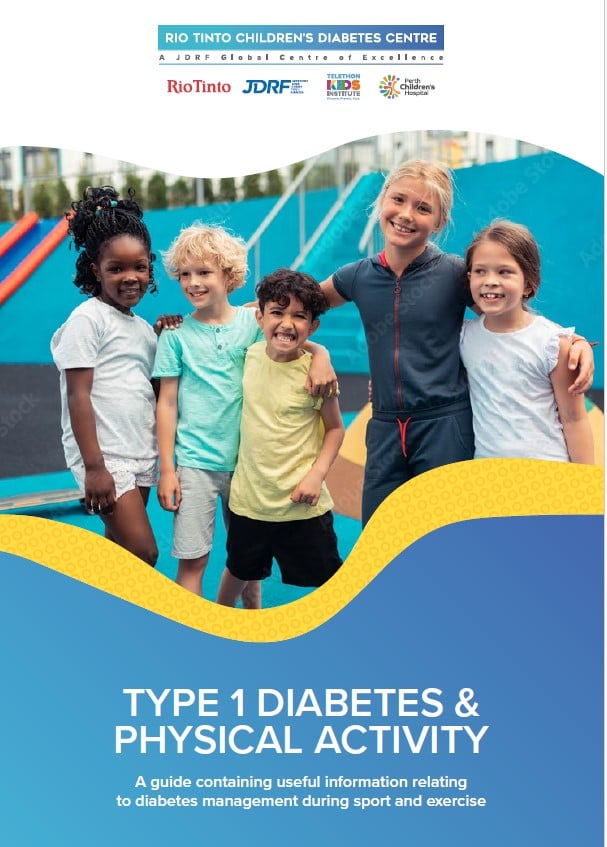
Launching T1D Sports Resources (take PART)First-of-its-kind T1D sports resources have been designed to help coaches better understand the chronic condition and to encourage youth living with T1D to stay physically active.
Research
Infant and Pre-birth Involvement With Child Protection Across AustraliaInfants (<1 year old) are the age group in Australia with the highest rate of involvement with child protection. Many jurisdictions across Australia and internationally are implementing policies focused on prenatal planning and targeted support.This study investigates Australian trends in prenatal and infant child protection notifications, substantiations and out-of-home care; and the extent of over-representation of Aboriginal and Torres Strait Islander infants.
Research
Factors influencing public perceptions of child neglect: A mixed methods studyMore than 1 in 5 children experience neglect, exposing them to several adverse consequences. Children with intellectual disability experience additional neglect related challenges. Public perceptions significantly influence the identification, intervention, and prevention of child neglect.