Search

News & Events
Reducing the asthma burden: generous grant secured to develop world-first treatmentResearchers developing a world-first treatment that targets an underlying cause of asthma have secured a $499,640 grant from the Future Health, Research and Innovation Fund – Innovation Seed Fund.

News & Events
Grants power next wave of childhood cancer researchEight childhood cancer researchers have been awarded over $2 million in transformative grants from Cancer Council WA to advance their pioneering work in improving cancer treatments and outcomes for patients in Western Australia and around the world.

News & Events
Event: Beating the odds: Problem gambling in our youthDespite a growing body of evidence, there remains a perception that problem gambling is the reserve of electronic gaming machines, or ‘pokies’.
News & Events
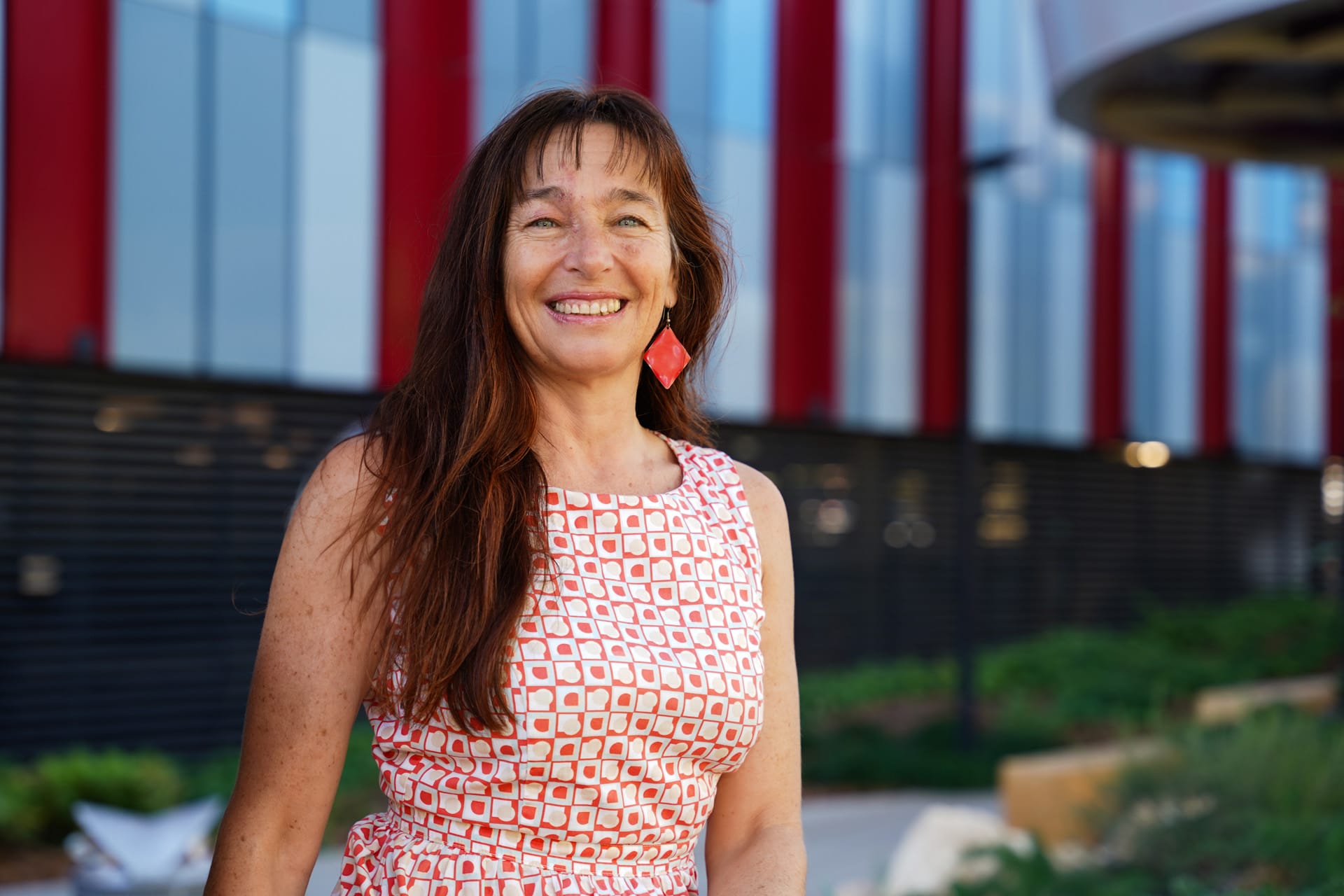
World-first evidence links exclusive colostrum intake with reduced peanut allergy riskFirst-of-its-kind findings show that newborns exclusively fed colostrum in their first 72 hours of life were five times less likely to develop a peanut allergy by 12-18 months, and 11 times less likely to develop multiple food allergies (such as egg or cow’s milk) compared with infants who also received formula
News & Events
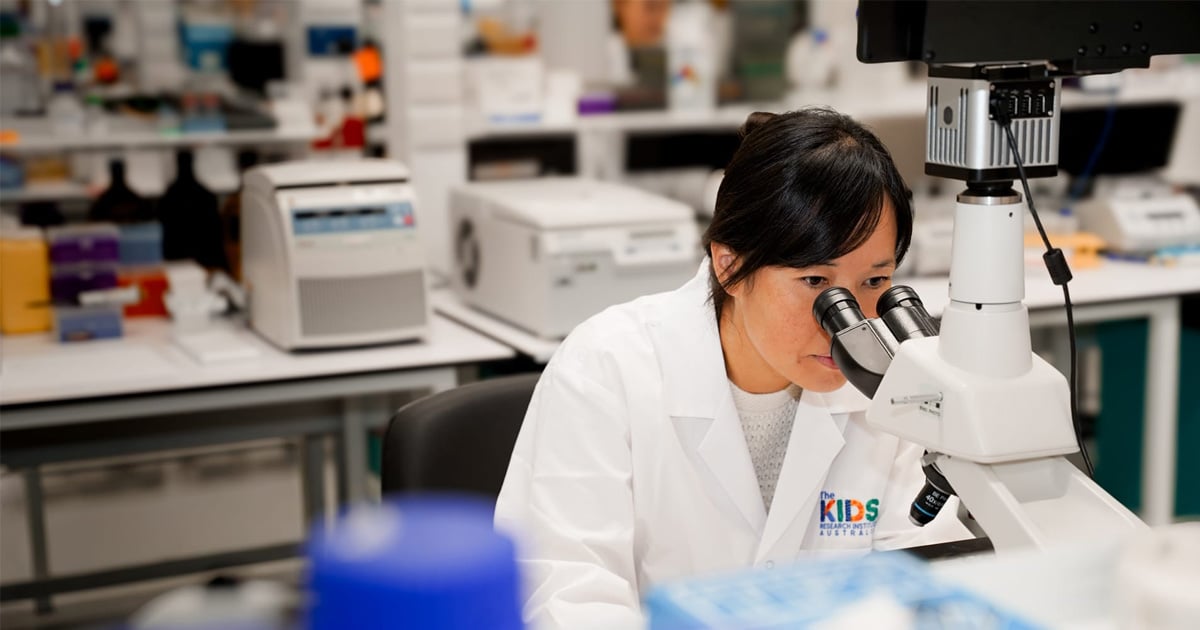
Kids researchers using real tonsils in quest to develop new Strep A vaccineA new study underway at the Wesfarmers Centre of Vaccines and Infectious Diseases, based at The Kids Research Institute Australia, is deliberately infecting tonsils with Strep A in the laboratory to test a range of potential vaccine candidates.

News & Events
The Kids Research Institute Australia leads national review on consumer involvement in health researchThe Kids Research Institute Australia has been awarded a prestigious National Health and Medical Research Council (NHMRC) tender to lead the national review of the revised Draft Statement on Consumer and Community Involvement in Health and Medical Research.
News & Events
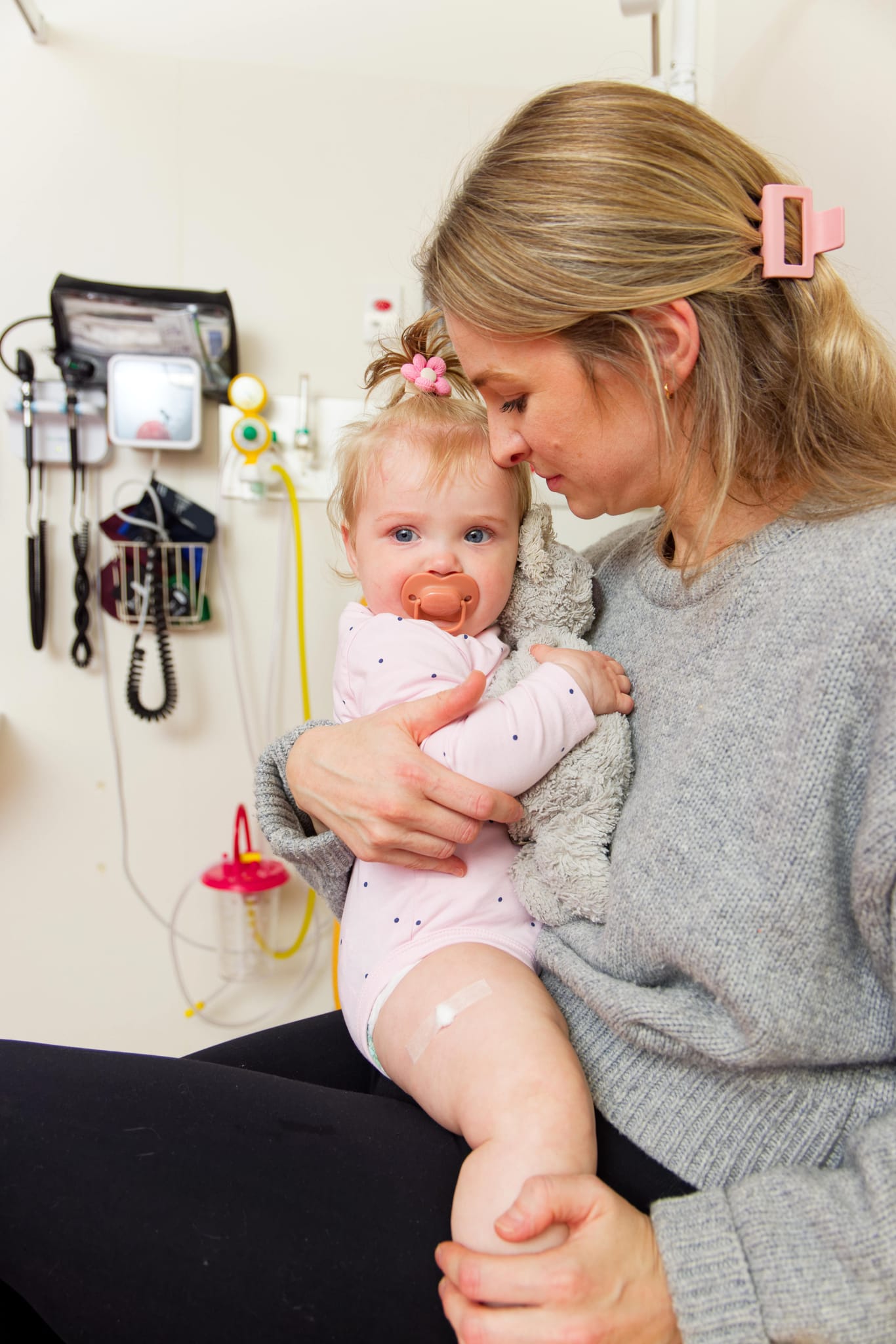
Australia on the cusp of one-shot meningococcal protectionA life-saving meningococcal vaccine covering all five common strains of the deadly disease could soon be available thanks to vital research demonstrating the safety and effectiveness of a combination Men ABCWY vaccine.
News & Events
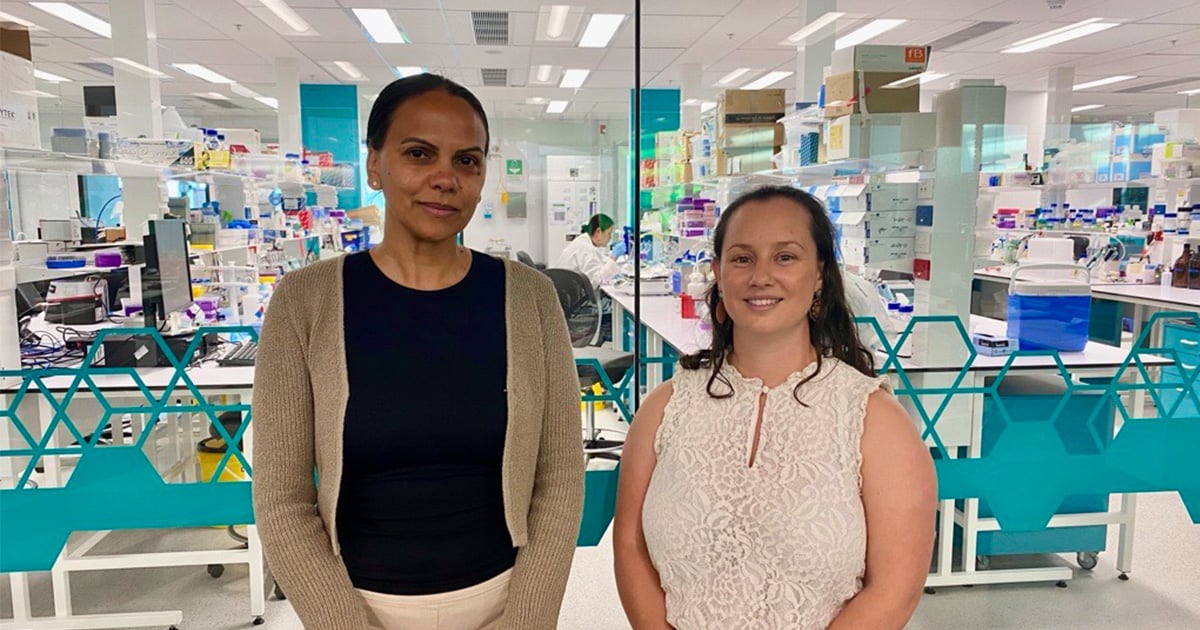
Setting the agenda: Urgent priorities to close the childhood cancer gap for Aboriginal and Torres Strait Islander childrenA review led by the First Nations Childhood Cancer team at The Kids Research Institute Australia has highlighted the urgent need for Indigenous-specific studies focused on cancer outcomes, survivorship and equity.
News & Events
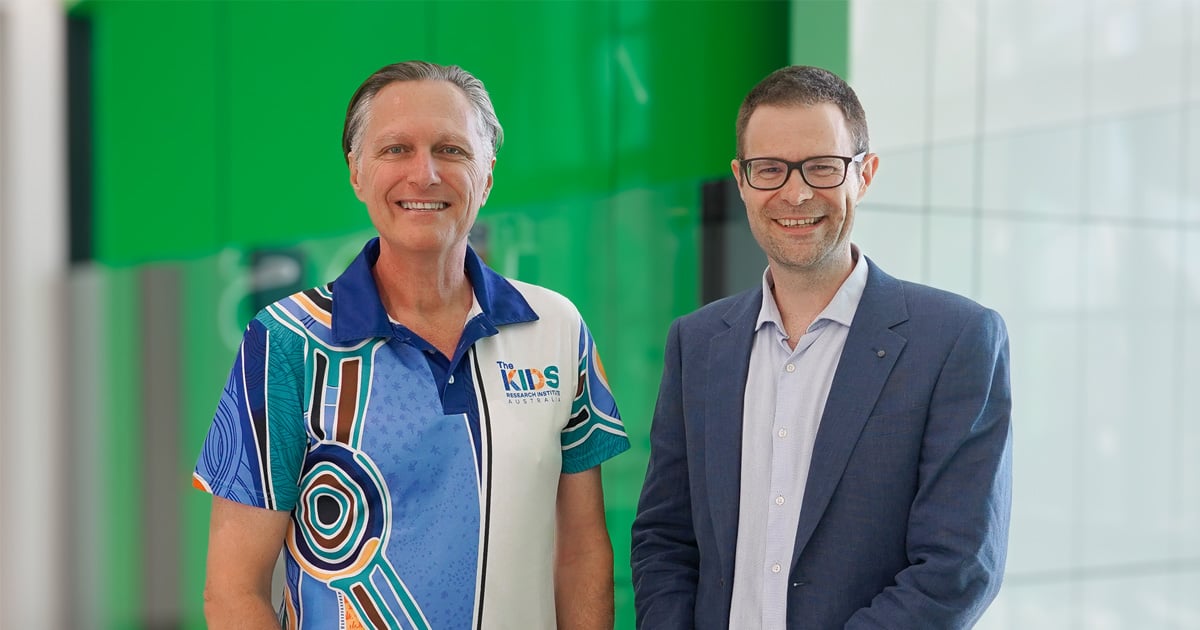
Leading autism researcher named The Kids new Deputy Director (Research)Professor Andrew Whitehouse, the Angela Wright Bennett Professor of Autism Research and CliniKids Director, has been appointed Deputy Director (Research) at The Kids Research Institute Australia.
News & Events
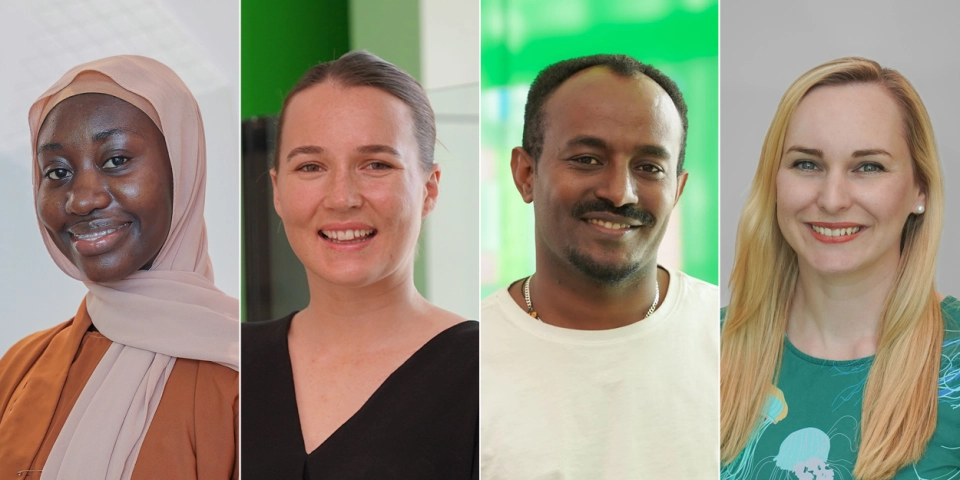
Stan & Jean Perron Awards supporting outstanding child health researchersWe are pleased to announce latest recipients of the Stan and Jean Perron Awards, that recognise the work of exceptional postgraduate students who are undertaking their research projects at The Kids Research Institute Australia.