
Search

News & Events
New website provides tools and resources for parents of gender diverse children and young peopleTransforming Families is providing evidence-based resources to help support the mental wellbeing of young people questioning their gender identity, or who identify as trans or gender diverse.

News & Events
Australia’s first Indigenous scientist appointed to CSIRO boardThe Kids Research Institute Australia and Australian National University Professor of Indigenous Genomics, Professor Alex Brown, has become the first Indigenous member of the Commonwealth Scientific and Industrial Research Organisation (CSIRO) Board.

News & Events
The Kids researchers selected for prestigious leadership programTwo incredible team leaders from The Kids Research Institute Australia will join a cohort of 25 women working in STEM across Australia, to take part in the 2023 WILD program.

News & Events
Leading disease modeller appointed inaugural Fiona Stanley Chair of Child Health ResearchThe Kids Research Institute Australia and The University of Western Australia are proud to announce the appointment of the inaugural Fiona Stanley Chair of Child Health Research, Professor Melissa Penny.
News & Events
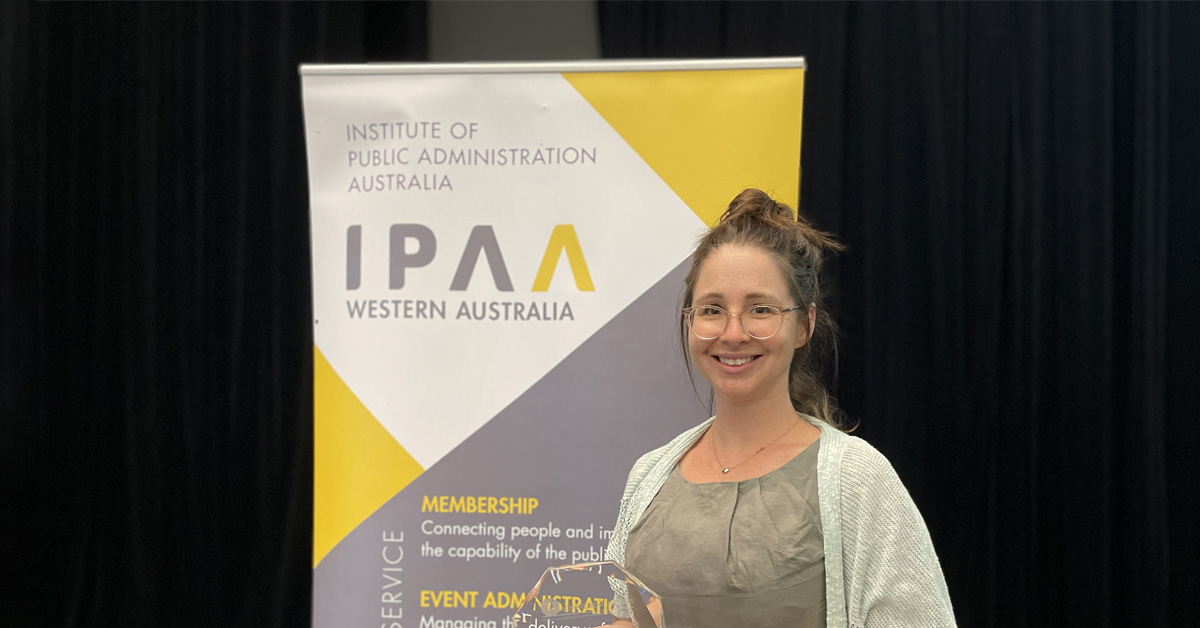
Award for Sun Safe app developed with teensThe Kids Research Institute Australia researchers who worked with young people to develop an app designed to help teenagers stay safe in the sun have been named joint winners of a new award for ‘Best Practice in Children’s Consultation’.
News & Events
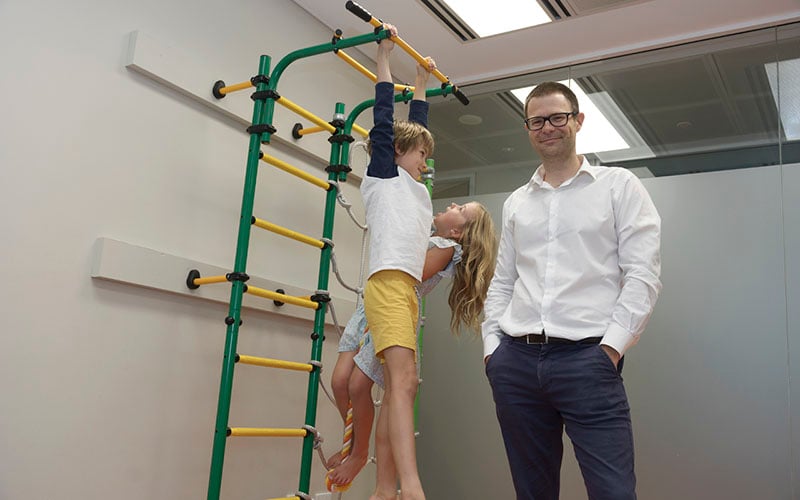
Autism researcher a finalist for WA's Australian of the YearProfessor Andrew Whitehouse, who has helped transform clinical support for children on the autism spectrum in Australia, is nominated for WA's 2023 Australian of the Year.
News & Events
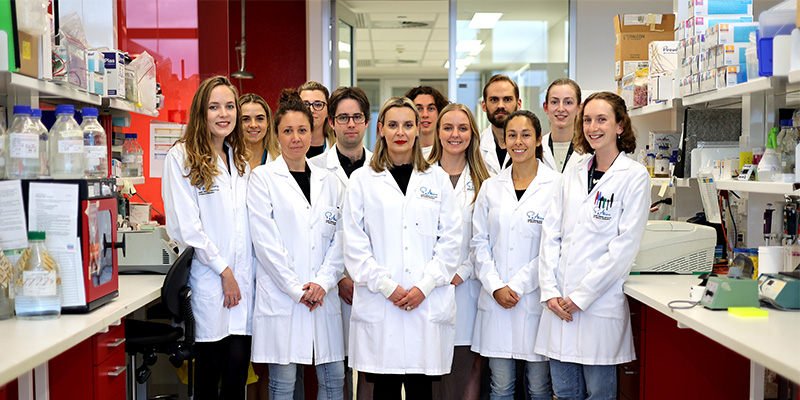
Prestigious fellowship for pioneering researcherAleksandra Filipovska has been elected a Fellow of the Australian Academy of Health and Medical Sciences.

News & Events
Point-of-care Strep A tests set to save lives in remote settingsInstant diagnosis and treatment of potentially life-threatening Strep A infections is now very close to reality across Australia’s remote and regional areas thanks to molecular point-of-care testing (POCT) that slashes result times from five days to just minutes.
News & Events
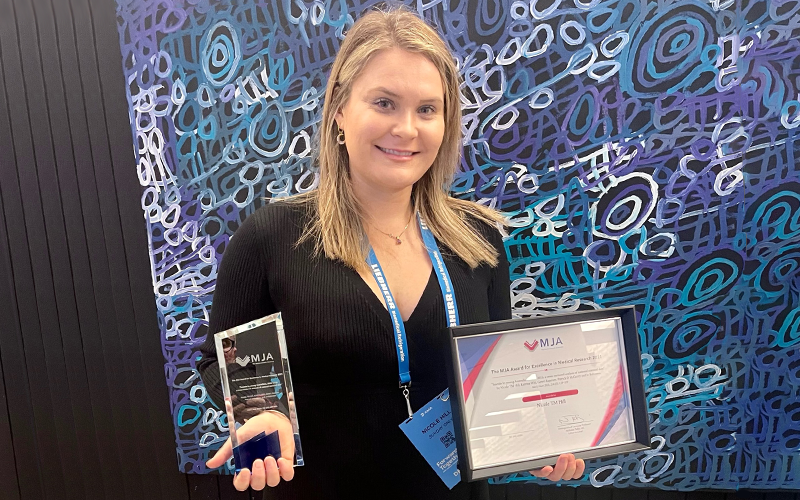
Mental health researcher recognised in prestigious publication awardDr Nicole Hill and a team of co-researchers from Orygen have received the 2021 Medical Journal of Australia (MJA) award for Excellence in Medical Research.

News & Events
RSV responsible for one out of every 50 childhood deaths worldwideThe urgency for a world-first respiratory syncytial virus vaccine is at an all-time high.