Skip to content
The Kids Research Institute Australia logo
Donate

No results yet

Search

Research

An eight-plex immunoassay for Group A streptococcus serology and vaccine development

Group A Streptococcus (GAS) is a major human pathogen responsible for superficial infections through to life-threatening invasive disease and the autoimmune sequelae acute rheumatic fever (ARF). Despite a significant global economic and health burden, there is no licensed vaccine available to prevent GAS disease. Several pre-clinical vaccines that target conserved GAS antigens are in development.

Research

Longitudinal, population-based cohort study of prenatal influenza vaccination and influenza infection in childhood

Influenza vaccination is recommended to protect mothers and their infants from influenza infection. Few studies have evaluated the health impacts of in utero exposure to influenza vaccine among children more than six months of age.

Research

Protocol of DREAM3R: DuRvalumab with chEmotherapy as first-line treAtment in advanced pleural Mesothelioma-a phase 3 randomised trial

There is a strong theoretical rationale for combining checkpoint blockade with cytotoxic chemotherapy in pleural mesothelioma and other cancers.

Research

The immunotoxicity, but not anti-tumor efficacy, of anti-CD40 and anti-CD137 immunotherapies is dependent on the gut microbiota

Immune agonist antibodies (IAAs) are promising immunotherapies that target co-stimulatory receptors to induce potent anti-tumor immune responses, particularly when combined with checkpoint inhibitors.

Research

Spatio-temporal dynamics of three diseases caused by Aedes-borne arboviruses in Mexico

The intensity of transmission of Aedes-borne viruses is heterogeneous, and multiple factors can contribute to variation at small spatial scales. Illuminating drivers of heterogeneity in prevalence over time and space would provide information for public health authorities. The objective of this study is to detect the spatiotemporal clusters and determine the risk factors of three major Aedes-borne diseases, Chikungunya virus, Dengue virus, and Zika virus clusters in Mexico.

Research

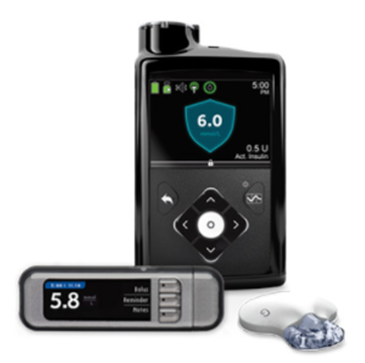
Diabetes Stigma Predicts Higher HbA1c Levels in Australian Adolescents With Type 1 Diabetes

Adolescents with Type 1 diabetes (T1D) often need to undertake self-management tasks in public or disclose their diagnosis to others. Therefore, they may be subjected to negative reactions from the public, known as enacted stigma.

Research

Novel small molecules that increase the susceptibility of Neisseria gonorrhoeae to cationic antimicrobial peptides by inhibiting lipid A phosphoethanolamine transferase

Neisseria gonorrhoeae is an exclusively human pathogen that commonly infects the urogenital tract resulting in gonorrhoea. Empirical treatment of gonorrhoea with antibiotics has led to multidrug resistance and the need for new therapeutics. Inactivation of lipooligosaccharide phosphoethanolamine transferase A (EptA), which attaches phosphoethanolamine to lipid A, results in attenuation of the pathogen in infection models.

Research

The effect of azithromycin on structural lung disease in infants with cystic fibrosis (COMBAT CF): a phase 3, randomised, double-blind, placebo-controlled clinical trial

Structural lung disease and neutrophil-dominated airway inflammation is present from 3 months of age in children diagnosed with cystic fibrosis after newborn screening. We hypothesised that azithromycin, given three times weekly to infants with cystic fibrosis from diagnosis until age 36 months, would reduce the extent of structural lung disease as captured on chest CT scans.

Research

Descriptive contents analysis of ParticiPAte CP: a participation-focused intervention to promote physical activity participation in children with cerebral palsy

ParticiPAte CP is a participation-focused therapy intervention that is effective to increase perceived performance of physical activity participation goals in children with cerebral palsy. We aimed to characterise the contents of ParticiPAte CP using validated behaviour change frameworks.

Research

Intelligence trajectories in individuals at ultra-high risk for psychosis: An 8-year longitudinal analysis

Cognitive impairment is a well-documented predictor of transition to a full-threshold psychotic disorder amongst individuals at ultra-high risk (UHR) for psychosis. However, less is known about whether change in cognitive functioning differs between those who do and do not transition.