
Search
Our Child Health Analytics Team uses cutting-edge technologies to better understand how and why the health and wellbeing of children varies from place to place. We develop innovative geospatial methods that can harness large, complex datasets to pinpoint hotspots of elevated risk, evaluate change through time, and explore underlying drivers.
Research
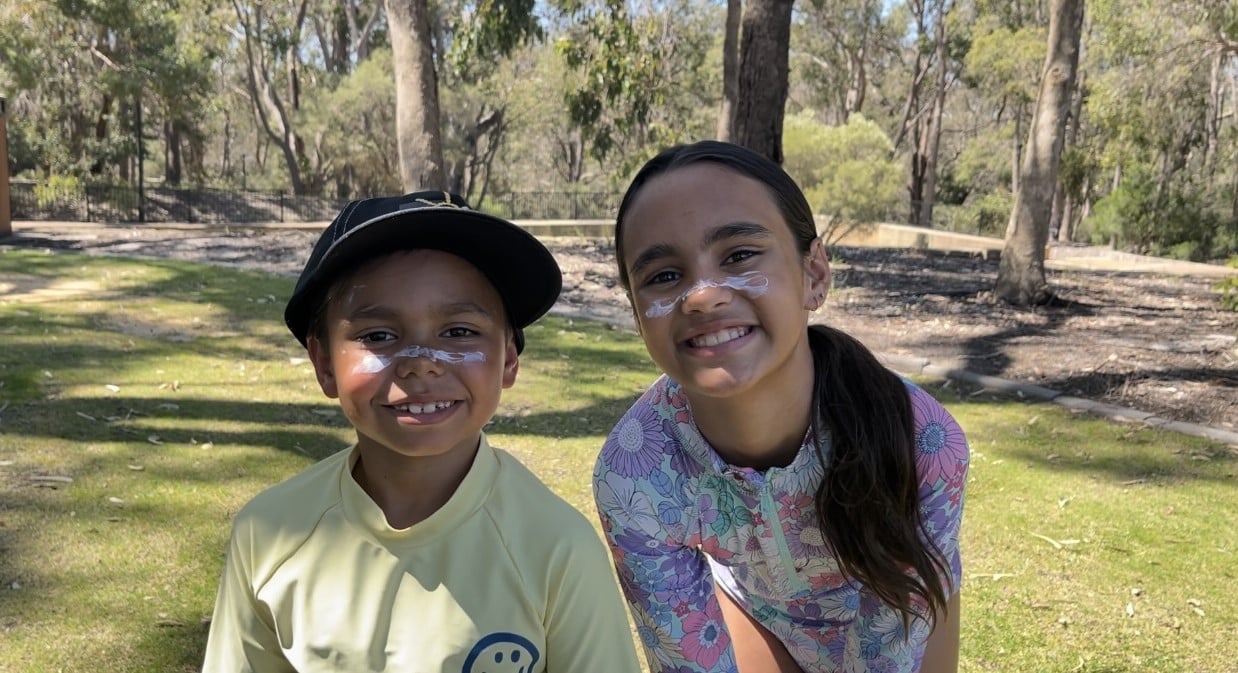
Ngangk Ngabala Ngoonda (Sun Safety)The Ngangk Ngabala Ngoonda (Sun Safety) project aims to address an urgent health issue and knowledge gap by generating a greater understanding of the barriers to sun protective behaviours and skin cancer prevention among Aboriginal CYP and their families in WA.
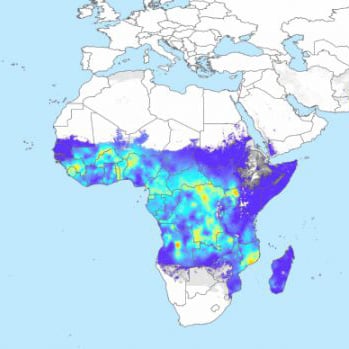
The Infectious Disease Ecology and Modelling team led by Professor Nick Golding, combines mathematical and statistical modelling, ecology, and public health to address malaria and other infectious and vector-borne diseases. The team uses modelling and maps to measure the risk posed by some of the world’s most important and neglected diseases – including malaria, Japanese Encephalitis and COVID-19 – and provide rapid modelling analyses to policy makers.
The Penicillin Team are working to accelerate research and clinical trials to improve penicillin formulation and treatment methods, to end RHD.
Research
Undiagnosed Diseases Program (UDP) and Bringing the benefits of precision medicine to children in Western AustraliaWe have started a project utilising whole genome sequencing of undiagnosed children living in WA to provide a definitive diagnosis. A major challenge here is that the role and functions of the inter-genic regions of our genome (the remaining 98%) are relatively poorly understood.
Research
An unbiased exploration of the human regulatory landscapeWe are made up of hundreds of different cell types carrying out a diverse range of functions essential for organism survival. All the information required to specify the morphology, function and response to stimuli of these cells is encoded in identical copies of the genome. The process of gene regu
We’ve heard from families that trustworthy information about preterm-associated lung disease is difficult to find. In response, we’ve created resources to empower families with the knowledge they need to manage these challenges.
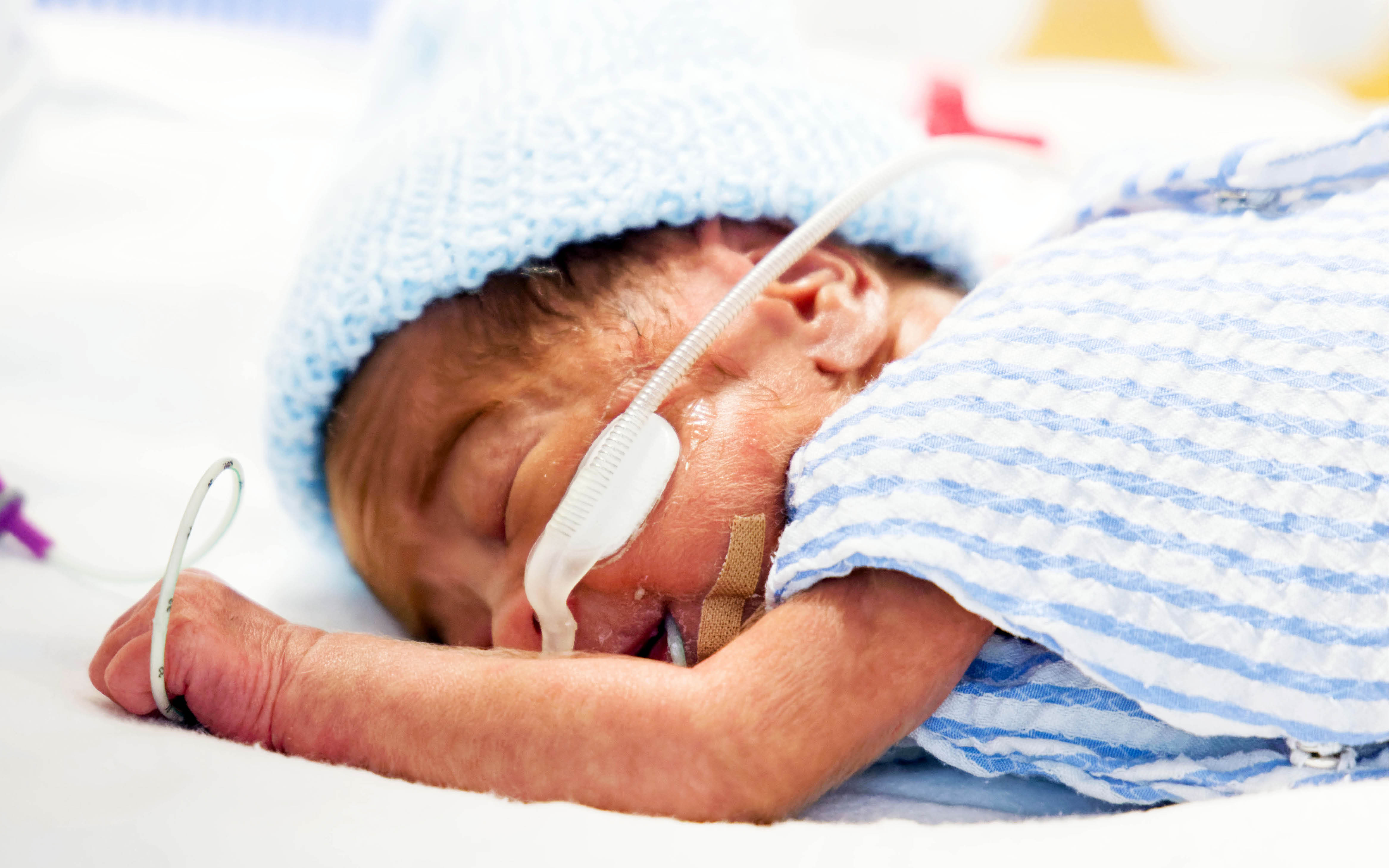
Preterm babies have a heightened risk of infection as their immune system is not mature. The Neonatal Health Team is exploring new ways to diagnose, prevent and treat infections in WA's smallest patients .
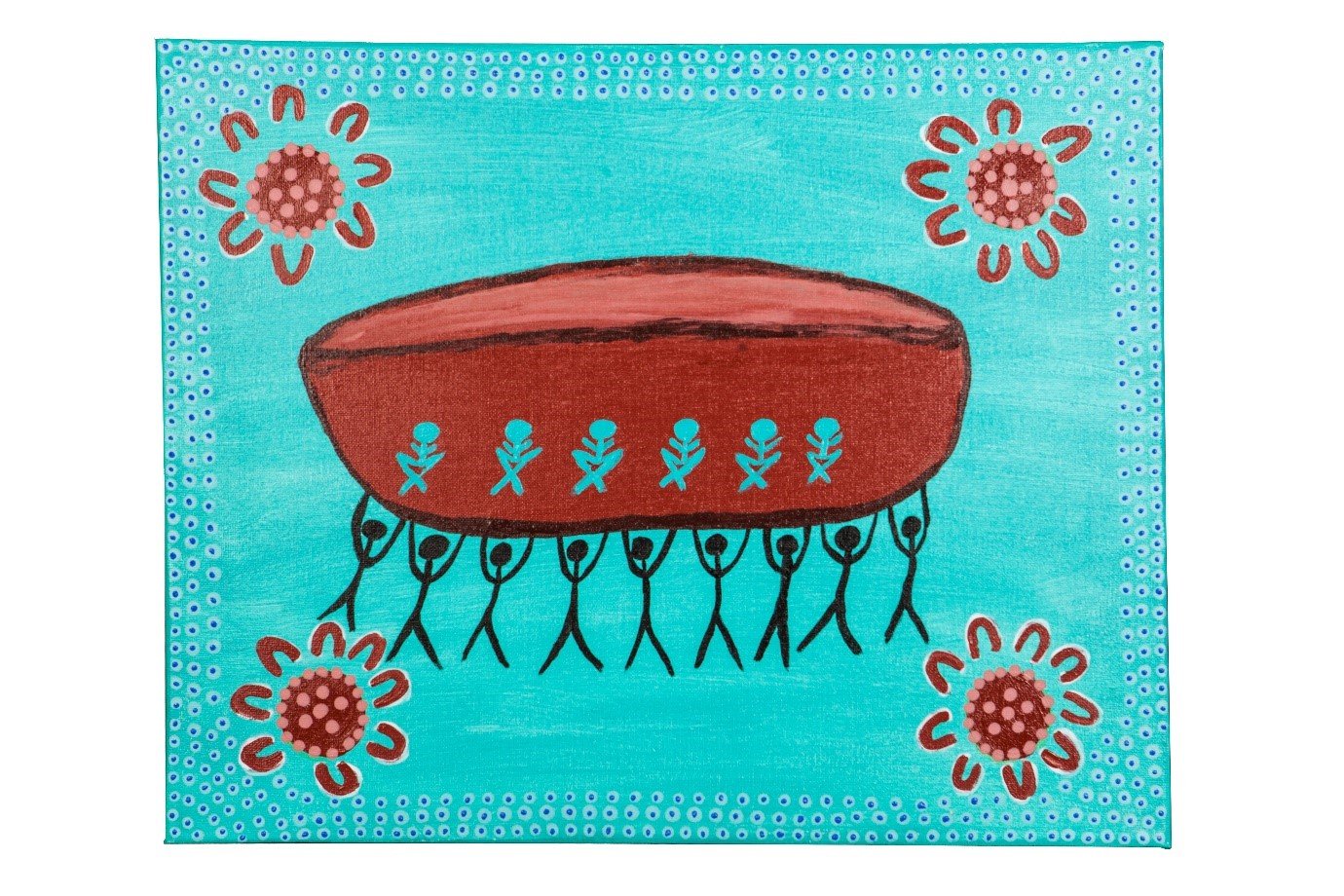
Art featured for the Ngulluk Koolunga Ngulluk Koort (Our Children, Our Heart) Project, by the artist Mrs Millie Penny.
News & Events
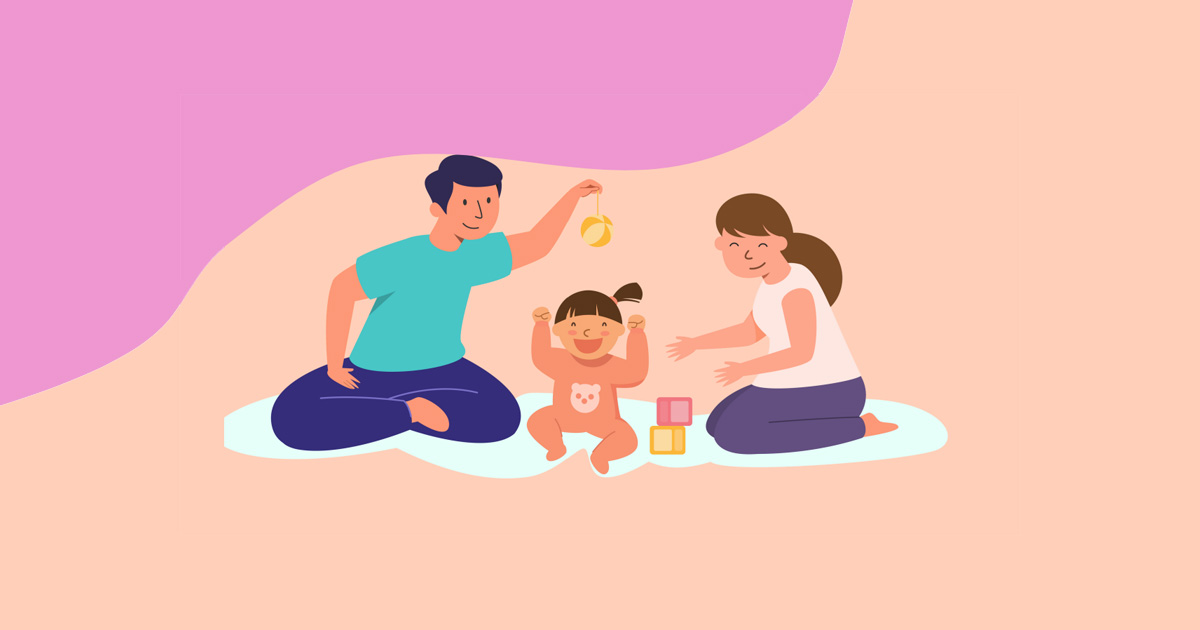
Playful ParentingPlayful parenting is engaging & connecting with your child through different forms of play. Play is an enjoyable activity that is freely entered into, with a goal of shared joy.