Skip to content
The Kids Research Institute Australia logo
Donate

Search

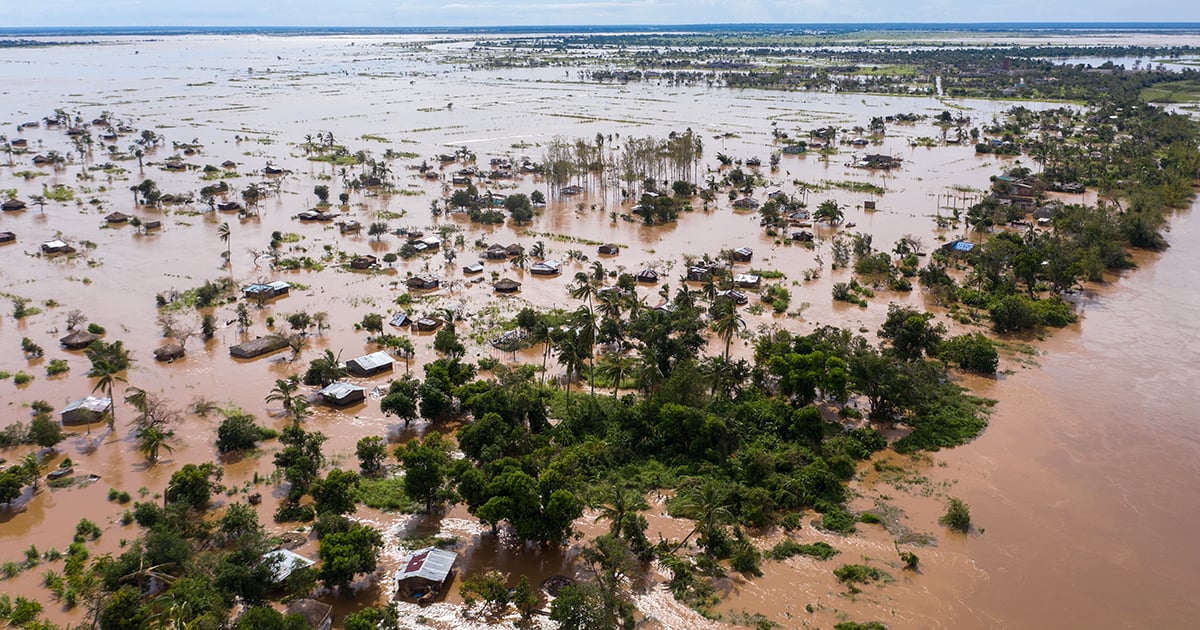
Climate change could cause more than 500,000 malaria deaths in Africa by 2050

World-first research from The Kids Research Institute Australia and Curtin University predicts climate change could trigger more than 100 million additional malaria cases and 500,000 additional deaths in Africa by 2050, including substantial impacts on children.

Major funding boost accelerates fight against malaria

Research to eliminate one of the world’s deadliest diseases – malaria – will be accelerated thanks to a USD $4.7 million grant from the Gates Foundation for scientists at The Kids Research Institute Australia and The University of Western Australia (UWA).

International funding boost for global malaria research

The Malaria Atlas Project (MAP) – which houses the world’s largest malaria database and is at the forefront of efforts to track and tackle the disease – has been awarded more than $16 million by the Bill & Melinda Gates Foundation.

Pandemic healthcare disruptions contributed to 76,000 extra malaria deaths: report

Disruptions of malaria case management caused by the COVID-19 pandemic likely contributed to an extra 76,000 malaria deaths in sub-Saharan Africa, according to analysis by The Kids Research Institute Australia and Curtin University.

$12 million grant puts WA research team in the hot seat to help wipe out malaria forever

A world-leading research team built to tackle malaria has relocated from Oxford University to Western Australia to take advantage of the state’s growing big data talent pool.

Malaria control a global effort

Global efforts led by The Kids Research Institute Australia’s Child Health Analytics program will see nations impacted by high rates of malaria empowered to develop their own controls and solutions.

The effect and control of malaria in pregnancy and lactating women in the Asia-Pacific region

Half of all pregnancies at risk of malaria worldwide occur in the Asia-Pacific region, where Plasmodium falciparum and Plasmodium vivax co-exist. Despite substantial reductions in transmission, malaria remains an important cause of adverse health outcomes for mothers and offspring, including pre-eclampsia. Malaria transmission is heterogeneous, and infections are commonly subpatent and asymptomatic.

Rethinking a hybrid malaria chemoprevention delivery strategy for children in sub-perennial settings: a modelling study integrating age- and seasonally-targeted delivery

The World Health Organization recommends perennial malaria chemoprevention (PMC), generally using sulfadoxine-pyrimethamine (SP) to children at high risk of severe Plasmodium falciparum malaria. Currently, PMC is given up to age two in perennial transmission settings. However, no recommendation exists for perennial settings with seasonal variation in transmission intensity, recently categorized as 'sub-perennial'.

Value profile for Malaria vaccines and monoclonal antibodies1

Malaria remains a leading cause of morbidity and mortality and is responsible for over 0.5 million annual deaths globally. During the first two decades of this century, scale-up of a range of tools was associated with significant reductions in malaria mortality in the primary risk group, young African children.

A malaria seasonality dataset for sub-Saharan Africa

Malaria imposes a significant global health burden and remains a major cause of child mortality in sub-Saharan Africa. In many countries, malaria transmission varies seasonally. The use of seasonally-deployed interventions is expanding, and the effectiveness of these control measures hinges on quantitative and geographically-specific characterisations of malaria seasonality.