Search
Robust evaluation is critical for understanding and enhancing the impact of health promotion initiatives. However, many community-based organisations face challenges in planning and conducting evaluation due to limitations in knowledge, resources, and the applicability of existing evaluation frameworks. The Healthway Evaluation Framework, and its accompanying practical Measurement Toolkit, was designed to support evaluation planning, implementation, and reporting across diverse health promotion programs and settings.
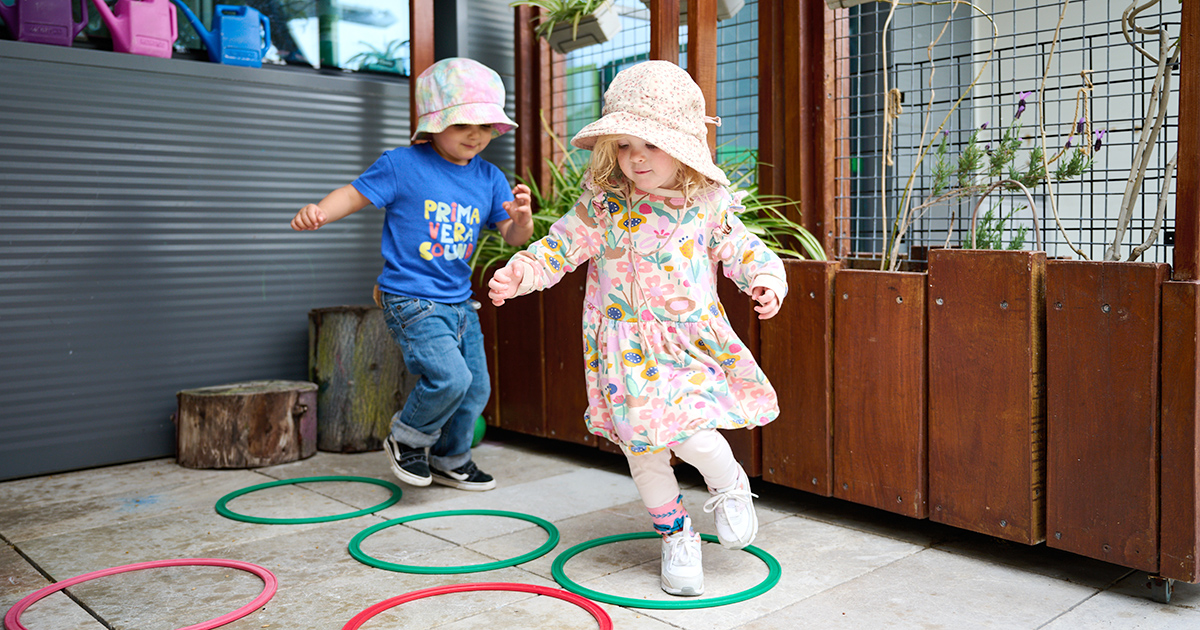
There is an urgent need for scalable interventions to promote physical activity in early childhood. An early childhood education and care physical activity policy intervention with implementation support strategies (Play Active) has been proposed for scale-up in Australia.
Physical activity is crucial for young children's health and development. Many young children do not meet the recommended 3 hours of daily physical activity, including 60 min of energetic play. Early childhood education and care (ECEC/childcare) is a key setting to intervene to improve children's physical activity. The Play Active programme is a scalable evidence-informed ECEC-specific physical activity policy intervention with implementation support strategies to improve educators' physical activity-related practices.
This scoping review considers the experiences of aspiring high school-aged athletes as they navigate the complexities of managing sport, education, social, and family life. The review synthesises existing literature on the decisions, barriers, facilitators, and support systems that influence aspiring athletes' pathways.
International guidelines recommend multidisciplinary intervention programs for addressing childhood obesity. In Western Australia, community-based healthy lifestyle programs for children and young people are insufficient for demand, especially for those over-represented in obesity statistics relating to prevalence. This protocol outlines the implementation and evaluation of an adapted, evidenced, community-based program in Perth, Western Australia.
Despite evidence suggesting regular exercise (i.e. structured, repetitive and purposeful physical activity) attenuates cardiac patients’ decline in health, our understanding of factors affecting long-term exercise participation among this patient cohort is limited. This problem is pertinent, given that less than half of cardiac patients adhere to exercise following discharge from formal exercise-based rehabilitation programmes. In this study, we explored factors influencing exercise participation after an outpatient cardiac rehabilitation programme.
Assessment of motor competence is critical for planning and monitoring children's development. However, many assessment tools require time, training, and resources not available to most teachers. We aimed to evaluate the external aspect of construct validity of a rapid product-oriented fundamental movement skill assessment tool designed specifically for primary education settings.
Many young people are exposed to risk factors that increase their risk of mental illness. Physical activity provision is an increasingly popular approach to protect against mental illness in the face of these risk factors. We examined the effectiveness of physical activity interventions for the promotion of mental health outcomes in at-risk children and adolescents.
Children's physical activity and screen time behaviours impact their physical health and well-being. In Australia, less than half of children meet daily physical activity recommendations and only one-third meet daily screen time recommendations.
Children with neurodevelopmental, emotional, or behavioural challenges participate in lower levels of physical activity (PA) and subsequently have poorer physical and mental health outcomes. We sought to determine the feasibility and preliminary efficacy of a multi-component physical literacy program for children with neurodevelopmental, emotional, or behavioural challenges.