
Search

News & Events
Sibling’s likelihood of autism diagnosis impacted by age gap, study findsThe Curtin University research in collaboration with The Kids Research Institute Australia, published in Autism Research, investigated more than 925,000 births in Denmark, Finland and Sweden.

News & Events
World-first video trial to help babies at risk of autism thriveVideo technology is helping researchers learn more about the early communication style of infants with a family history of autism, ADHD or intellectual disability.
News & Events
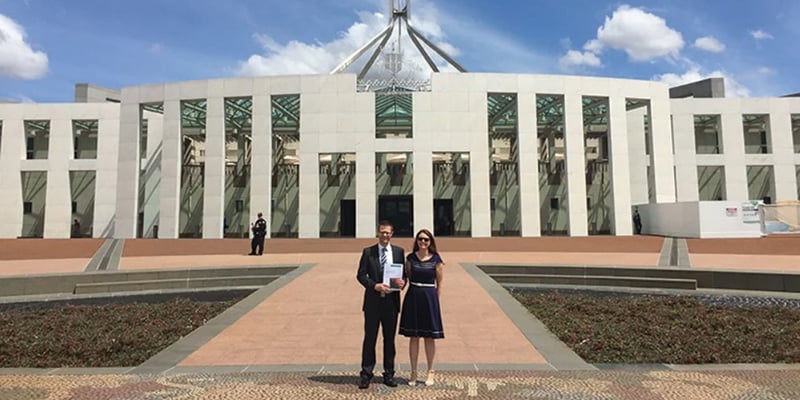
National guideline provides uniform approach to autism diagnosisIn October 2018, the Autism CRC released A National Guideline for the Assessment and Diagnosis of Autism Spectrum Disorders in Australia.

News & Events
Directing immune development to curb sky-rocketing diseaseOnce upon a time it was infectious diseases like polio, measles or tuberculosis that most worried parents. With these threats now largely under control, parents face a new challenge – sky-rocketing rates of non-infectious diseases such as asthma, allergies and autism.
News & Events
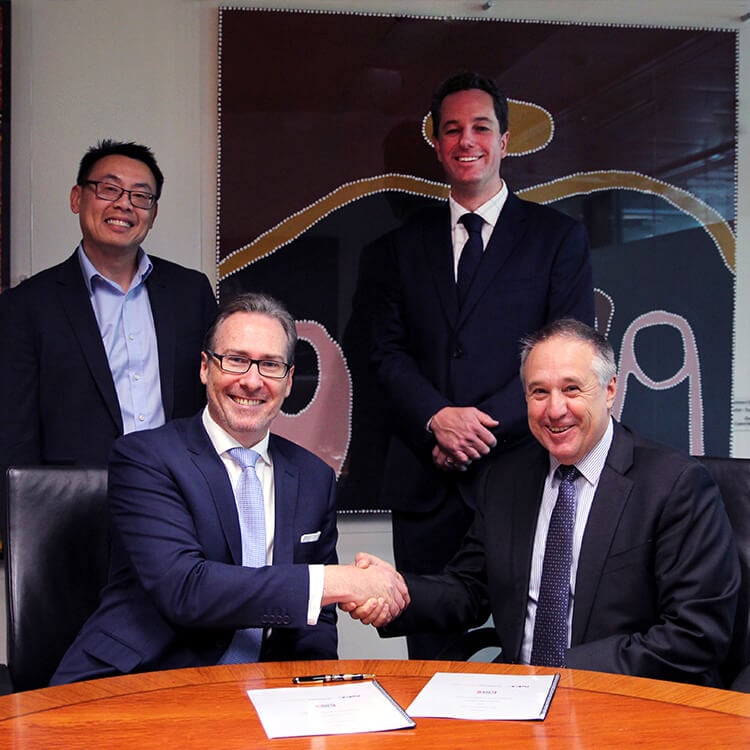
The Kids Researchers to explore NEC Artificial Intelligence technologies for new medical diagnostic toolsThe Kids has signed an MoU with leading technology developer NEC Australia to explore opportunities to apply NEC’s AI technologies in our medical research.
News & Events
An evening for the future of autismJoin Dr Andrew Whitehouse, head of Developmental Disorders research at The Kids, as he shares with you his vision for autism research.
News & Events
App for AutismAn innovative iPad App developed in Western Australia could be the key to improved outcomes for kids with autism.
News & Events
Further evidence of testosterone link to autismA new study from Perth's The Kids for Child Health Research has uncovered more evidence of a link between early testosterone levels and autism.
Research
Autism spectrum disorder in children born preterm: Role of exposure to perinatal inflammationThis review aims to summarise and evaluate the potential mechanisms and evidence for the role of prenatal infection on the central nervous system, and how it...
Research
Hospitalisation rates for children with intellectual disability or autism born in Western Australia 1983-1999: A population-based cohort studyID and/or ASD were found to be associated with an increased risk of hospitalisation compared with the remainder of the population.