
Search
News & Events
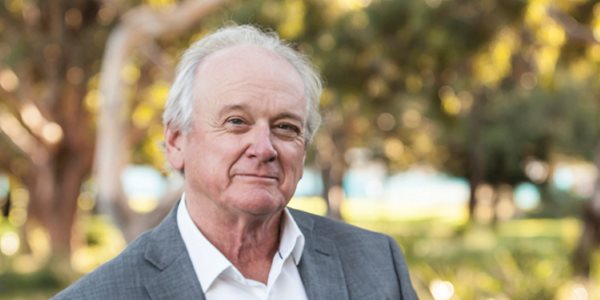
'Artificial pancreas' helps ease diabetes burdenThe Centre is currently involved in an international effort to develop revolutionary closed- loop 'artificial pancreas' technology. It is also leading a multi-centre Australian trial of these portable devices at home in young people with diabetes.
News & Events
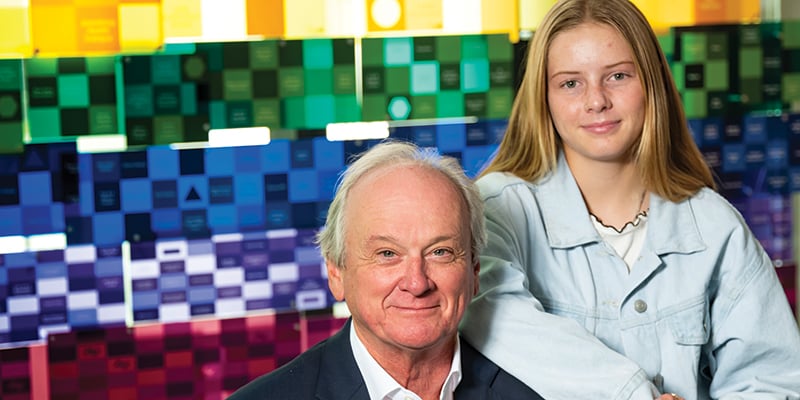
Smooth sailing for Drina thanks to burden-breaking technologyRecent diabetes technology is helping 12-year-old Drina keep on top of her condition and be independent, while significantly easing the disease burden on her family.

In addition to our busy lives, there’s a lot going on around us locally and across the world.
On this Research Impact page, we list stories helping to show our exciting in-progress research currently "in the pipeline" towards translation. This is research which shows a real spark of potential to make a significant difference to children and families worldwide.
Research
Attention Deficit Hyperactivity DisorderAttention deficit hyperactivity disorder (ADHD) is the most commonly diagnosed childhood mental health disorder, affecting about 1 in 20 children. It can impact their behaviour, learning and social skills.
News & Events
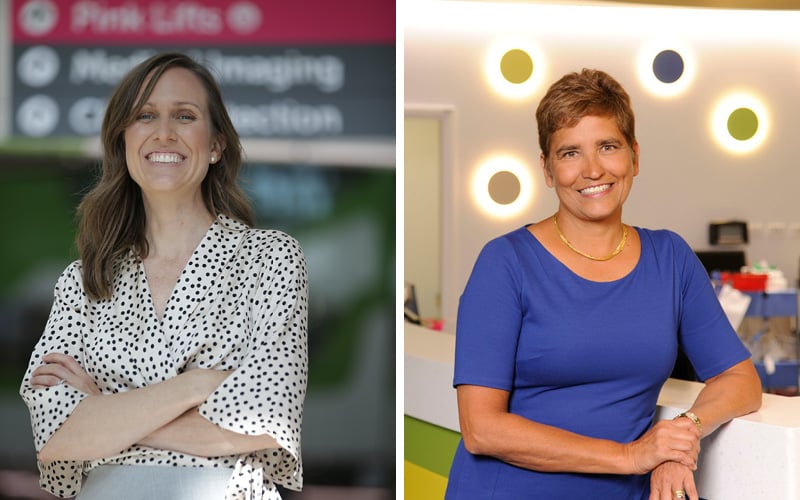
COVID-19 risks explained for babies, children and pregnant womenMany parents may be feeling anxious and confused about what COVID-19 means for pregnant women, babies and children.
News & Events
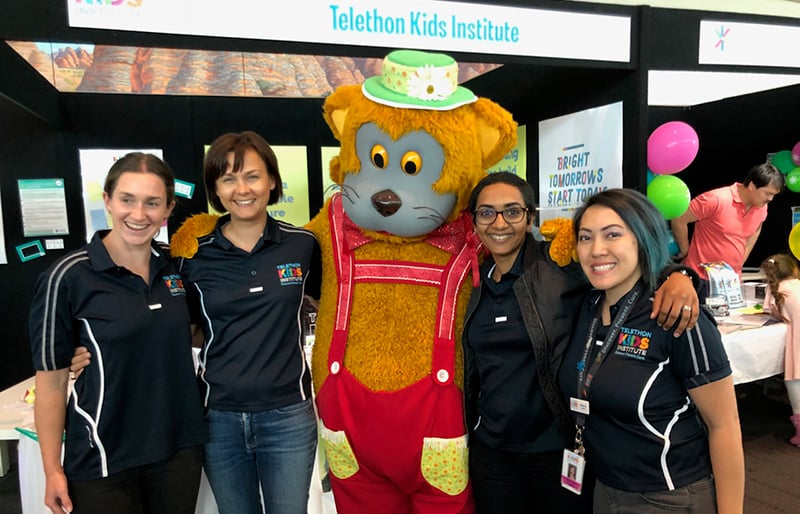
Join The Kids for real-life research at Telethon 2019As one of Telethon’s long-standing beneficiaries, we are proud to once again be taking part in Telethon Weekend on 25 and 26 October at the Perth Convention and Exhibition Centre.
Research
Maternal prebiotic supplementation during pregnancy and lactation modifies the microbiome and short chain fatty acid profile of both mother and infantImproving maternal gut health in pregnancy and lactation is a potential strategy to improve immune and metabolic health in offspring and curtail the rising rates of inflammatory diseases linked to alterations in gut microbiota. Here, we investigate the effects of a maternal prebiotic supplement (galacto-oligosaccharides and fructo-oligosaccharides), ingested daily from <21 weeks' gestation to six months' post-partum, in a double-blinded, randomised placebo-controlled trial.
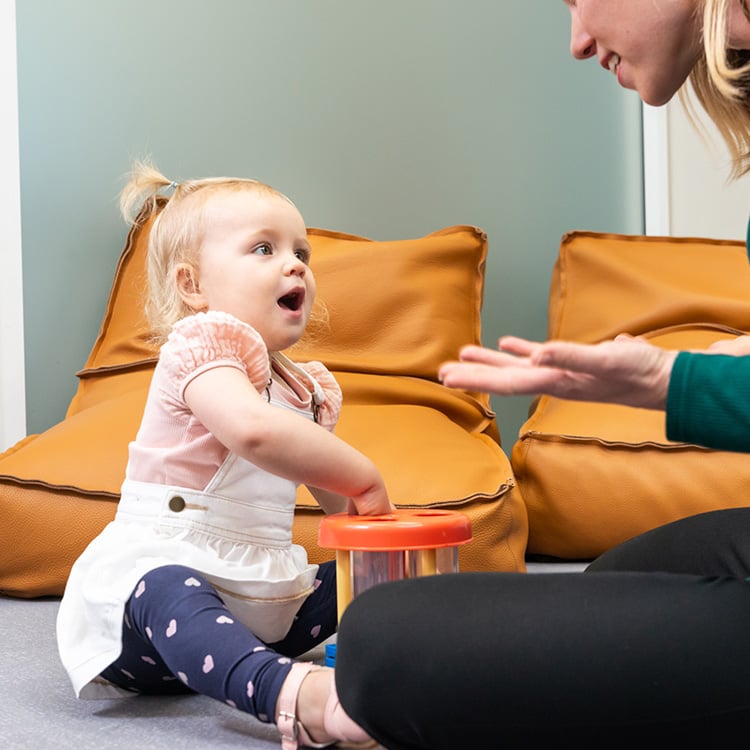
Find out about the range of Focused Therapy programs on offer at CliniKids.
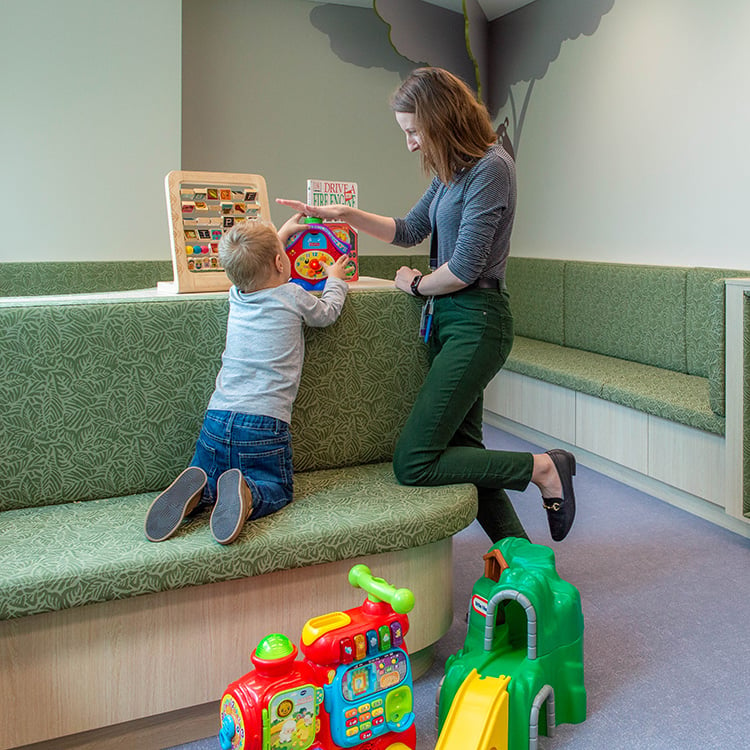
CliniKids provides therapy support and individualised programs to help children and families to reach their full potential.