Search
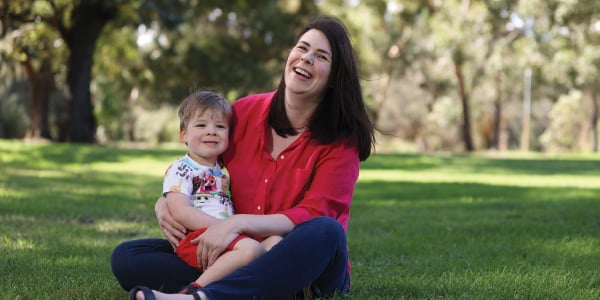
Amy Bertinshaw had a choice between ‘wait and see’ or seek help when she noticed her son Stirling was slower to meet developmental milestones at age 12 months.
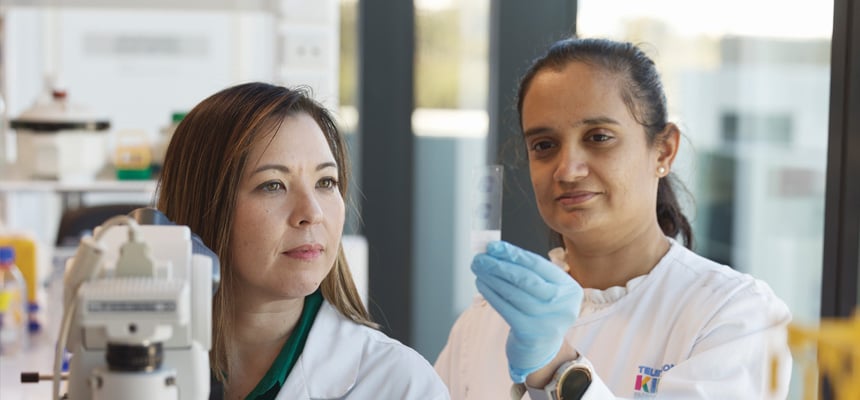
The WA Kids Cancer Centre has a suite of world-leading research projects to unlock new treatments for childhood cancers.
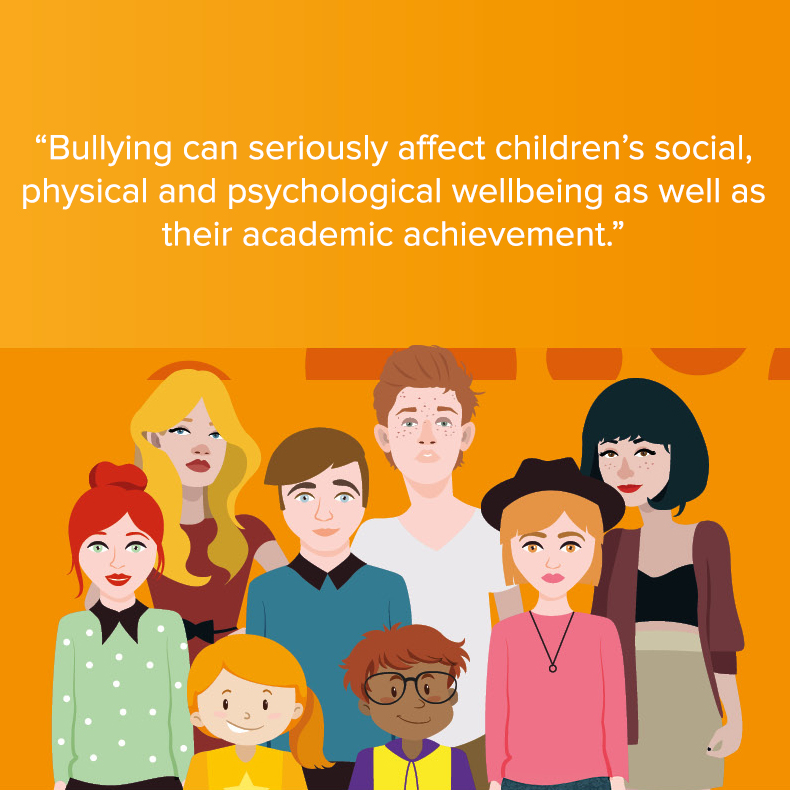
Infographics to easily learn more about bullying and what actions to take should bullying be an issue in your school or community.
Research
IVFIn Vitro Fertilisation (IVF) is an Assisted Reproductive Technology (ART) in which an egg is fertilised by sperm outside the body.
Research
Prenatal and Infant Reports and Child Protection Involvement: A Longitudinal Cohort StudyIn Australia, infants have the highest rate of child protection involvement. Many jurisdictions in Australia and internationally have introduced policies for prenatal planning and support, however little is known about outcomes of infants reported prenatally. This study is the first to use cross-jurisdictional, individual-record data to examine child protection pathways associated with prenatal and infant reports.
Research
Rheumatic Heart DiseaseRheumatic heart disease (RHD) is the most important cause of acquired cardiovascular disease in children and young adults. Virtually non-existent in most of Australia, it still predominantly affects Aboriginal communities.
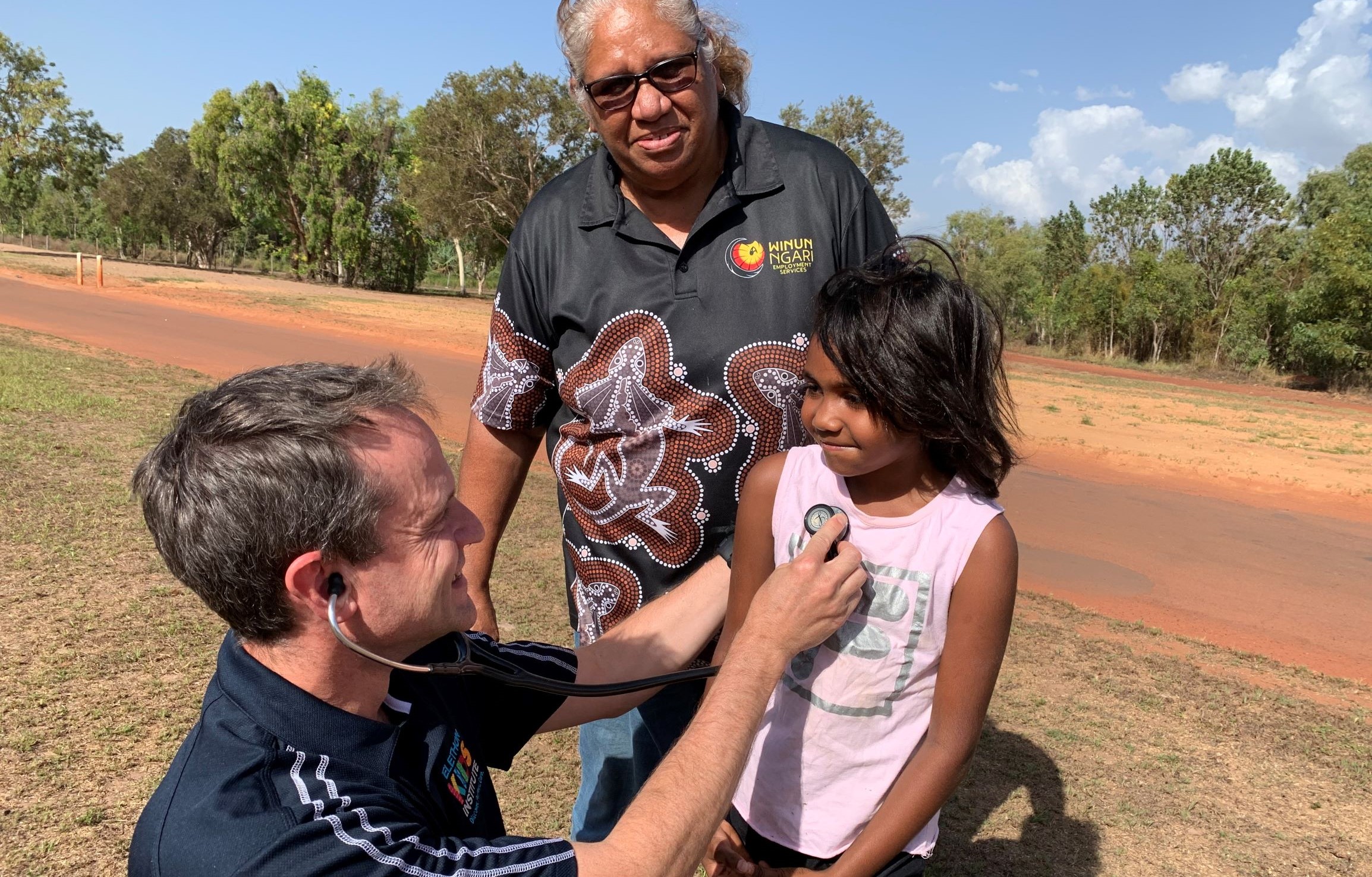
Results from a world first-study measuring prevalence of chronic wet cough and protracted bacterial bronchitis in four Kimberley Aboriginal communities have highlighted the enormity of the health problem.
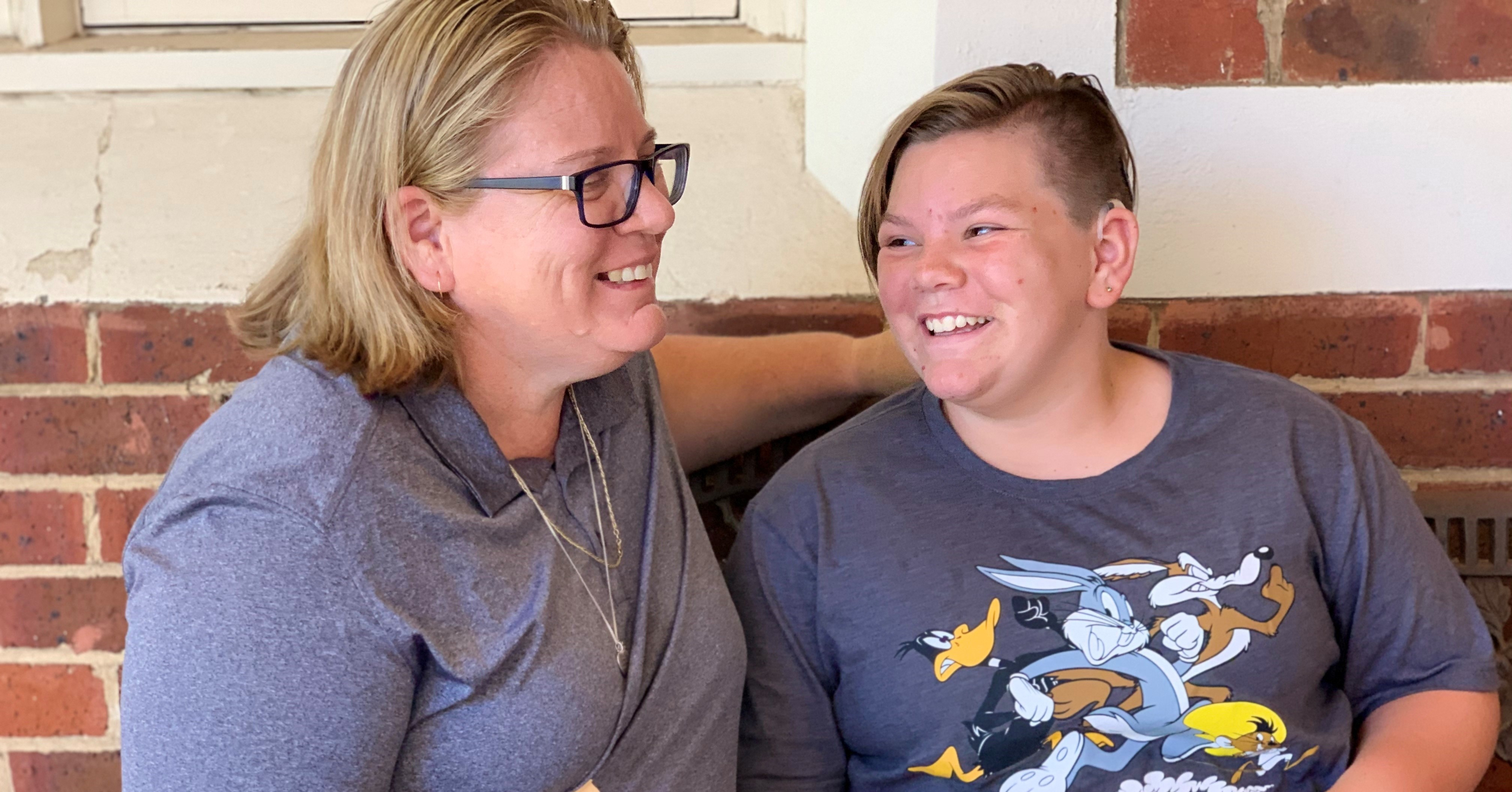
Adolescence can be challenging for all kids, but especially for those who are Deaf or hard-of-hearing. New resources developed by The Kids Research Institute Australia aim to make life a little easier.
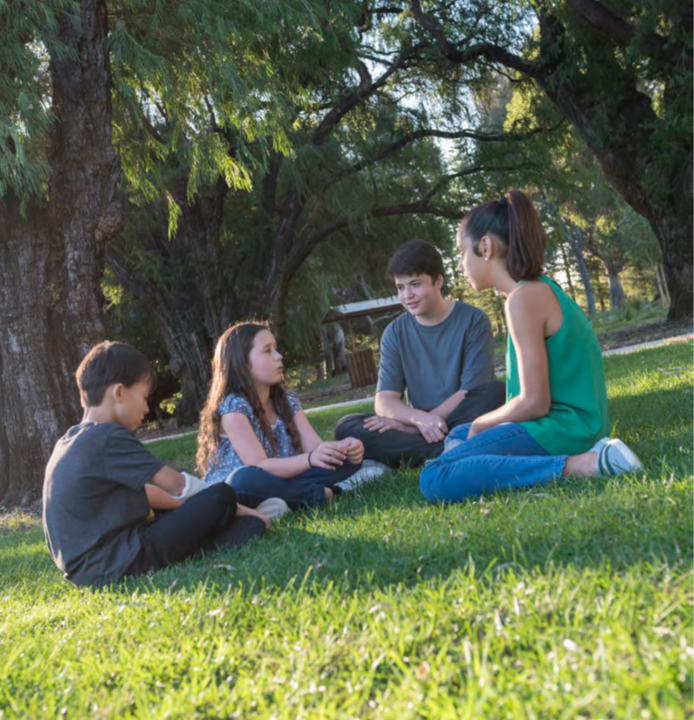
Can young people experiencing homelessness be part of the solution in suicide prevention? That is the question youth mental health researchers at Embrace at The Kids Research Institute Australia will investigate.
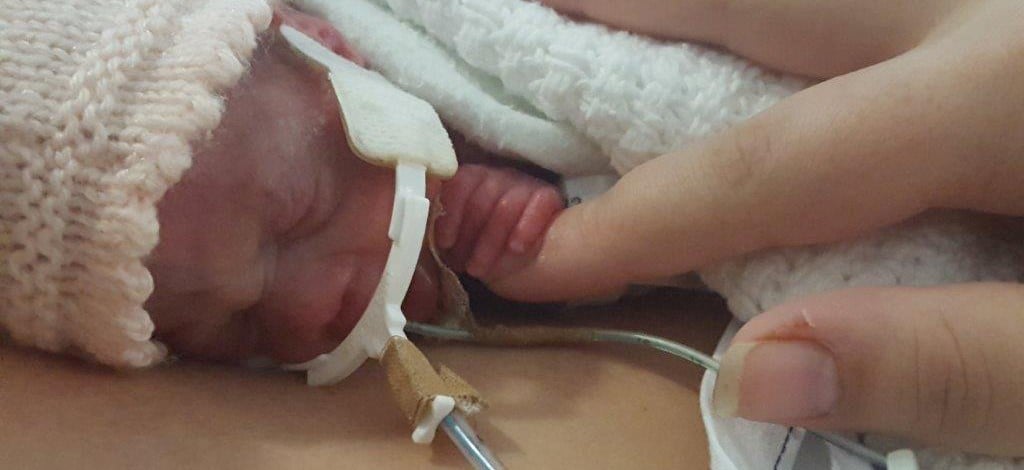
When KEMH specialists first suggested using coconut oil to treat the fragile skin of Kimberly Rohrlach’s extremely premature first-born child, Isabella, she thought it was more than a little weird.