
Search
News & Events
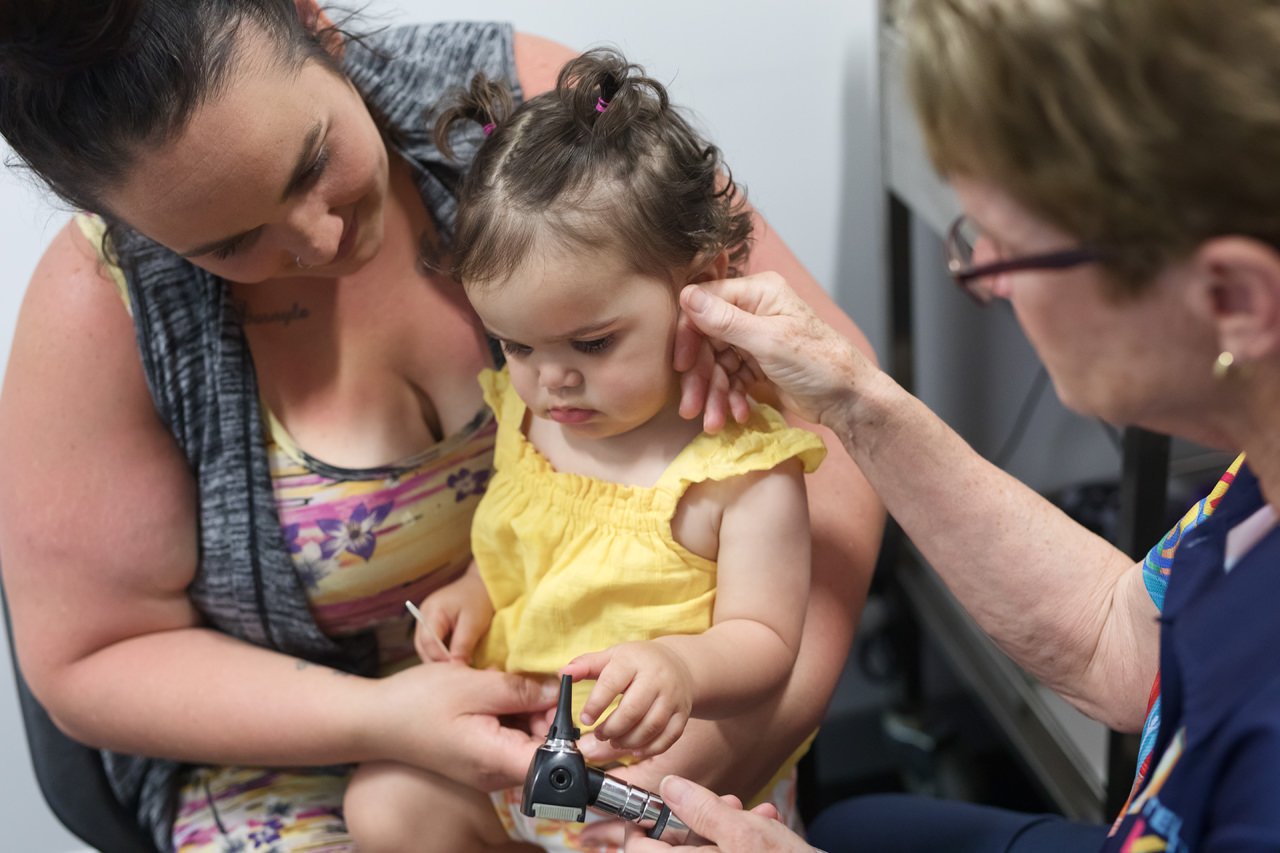
Australian-first study set to unveil major impact of ear disease on Aboriginal childrenResearchers from The Kids Research Institute Australia have been awarded a $1.1 million NHMRC ‘Targeted Call for Hearing Health’ grant to conduct the first ever study following Aboriginal babies from birth through to five years to uncover the true prevalence of middle ear infections and hearing loss.
News & Events
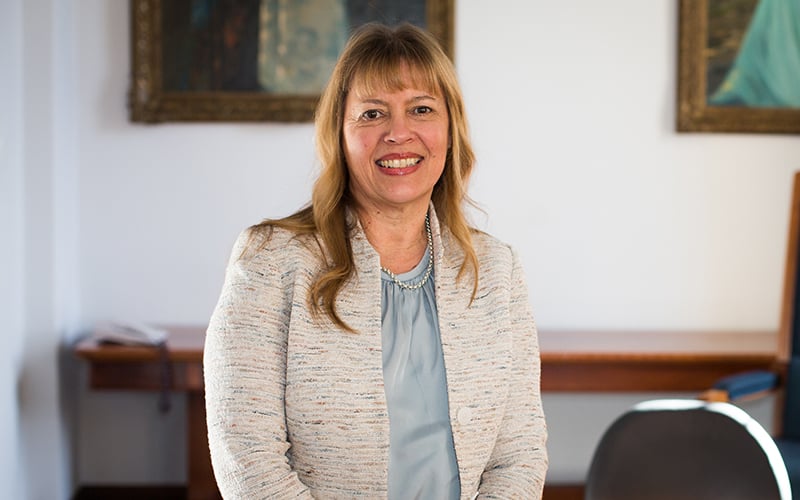
New project aims to improve cultural safety in mental health servicesThe project will focus on improving cultural safety in mental health services for Aboriginal and Torres Strait Islander children and young people.
News & Events
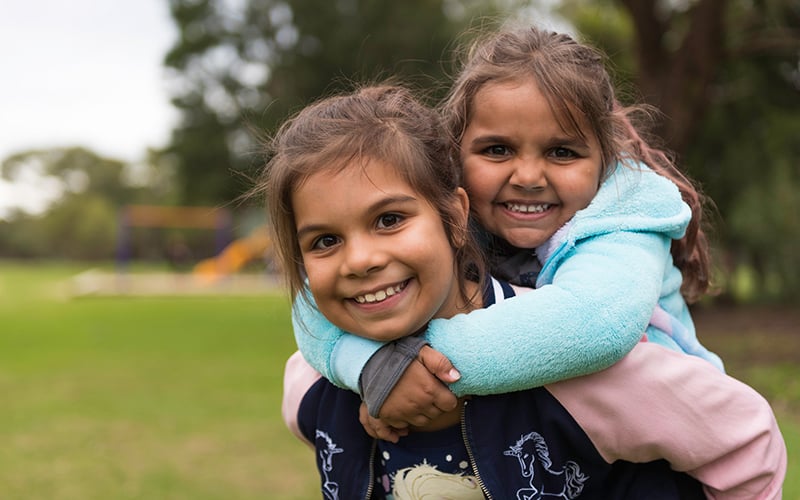
National network to significantly improve health outcomes for Indigenous AustraliansA new national network will be established to advance the benefits from Genomic Medicine for Aboriginal and Torres Strait Islander people living in Australia.
News & Events
Universal protocols for Strep A surveillance set to transform research for world-first vaccineA global consortium of Group A Streptococcus (Strep A) researchers has launched a series of best practice surveillance protocols designed to unite international research efforts for a world-first Strep A vaccine.
News & Events
Why timing matters: How tumours respond to immunotherapy treatments over timeResearchers have identified key differences between cancers that respond to immunotherapy and those that do not.
News & Events
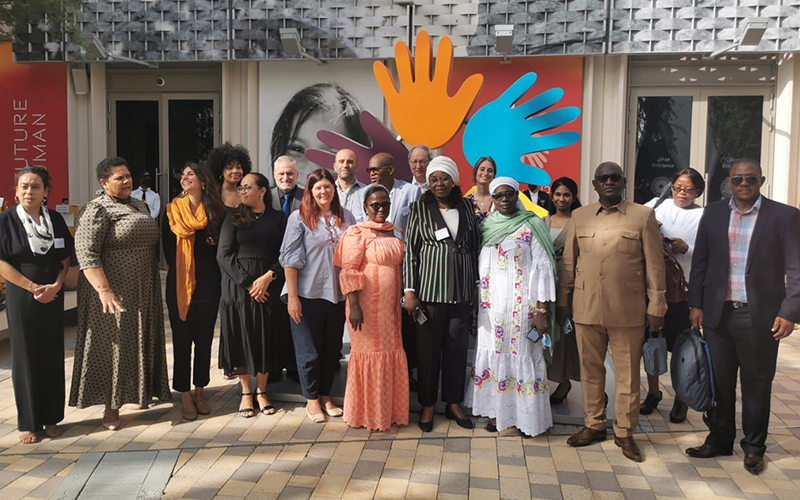
Holistic Early Childhood Development Index goes globalChildren around the world could have better access to education thanks to an early childhood development index created for UNESCO by The Kids researcher, Prof Sally Brinkman.
News & Events
Researchers narrow down field of new treatments for most common childhood brain cancerCancer researchers have narrowed-down the field of immunotherapy drugs which could be used to tackle a form of childhood brain cancer.
News & Events
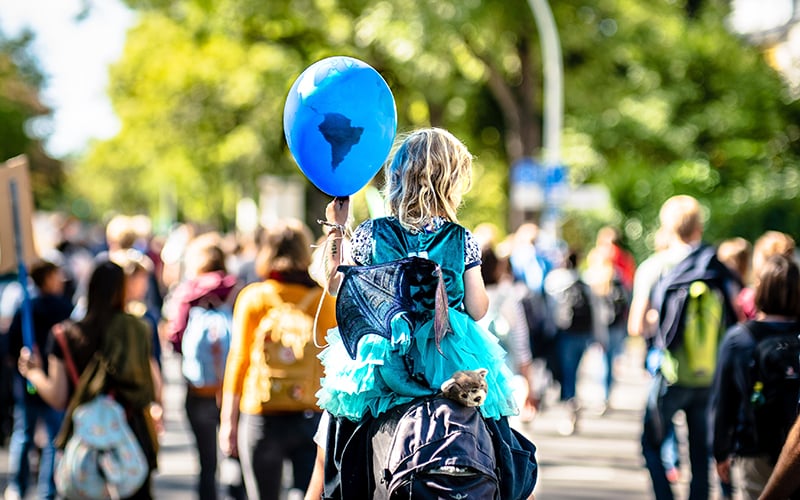
Urgent action needed to tackle health impacts of climate changeThe Kids Research Institute Australia supports calls from the Intergovernmental Panel on Climate Change (IPCC) for transformational action if we are to secure a liveable future.
News & Events
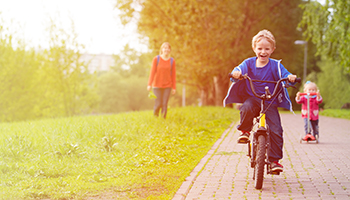
Let the children speak: report calls for kids’ voices to be included in government policyA new The Kids Research Institute Australia-led report into the impact of state and national policy on children’s health has called for kids and families to have more say when it comes
News & Events
PhD scholarship paves the way for Australia-first healthy skin projectA The Kids Research Institute Australia PhD student has been awarded Western Australia’s only 2022 postgraduate scholarship by the National Health and Medical Research Council