
Search

News & Events
First Early-Stage Type 1 Diabetes Clinic underway in WAAn Early-Stage Type 1 Diabetes (T1D) Clinic aims to revolutionise diabetes care and support families navigating the beginning of an early-stage T1D diagnosis.
News & Events
Generous new funding to fast-track rare disease diagnosis and unlock new treatmentsResearch that screens novel genetic variants identified in disease will be fast-tracked by a funding boost, offering new hope of an early diagnosis for families of children with a rare or undiagnosed genetic disease.
News & Events
New national role for The Kids’ Executive DirectorThe Australian Government has appointed the National Health and Medical Research Council (NHMRC) Council for 2024 to 2027.
News & Events
Pioneering new treatments for leukaemia in children with Down syndromeA team of world-leading scientists has secured $5 million in funding from the Leukaemia and Lymphoma Society to advance the fight against leukaemia in children with Down syndrome.
News & Events
ORIGINS celebrates it’s 10,000th baby, reaching key recruitment milestoneAustralia’s biggest longitudinal study following the health and wellbeing of children from their conception through to childhood, has welcomed its 10,000th and final participant.
News & Events
Embrace 2024 Big Idea winner announcedA project that aims to understand and support the mental health of Australians with complex gender-affirmation experiences has received the $150,000 Embrace Big Idea Grant for 2024.
News & Events
New trial aims to reduce peanut allergy in childrenMothers eating a diet rich in peanuts while breastfeeding might be helping to reduce their baby’s risk of developing a peanut allergy – that’s the hypothesis of a new clinical trial that has been granted $2.29 million in funding by the National Health and Medical Research Council (NHMRC).
News & Events
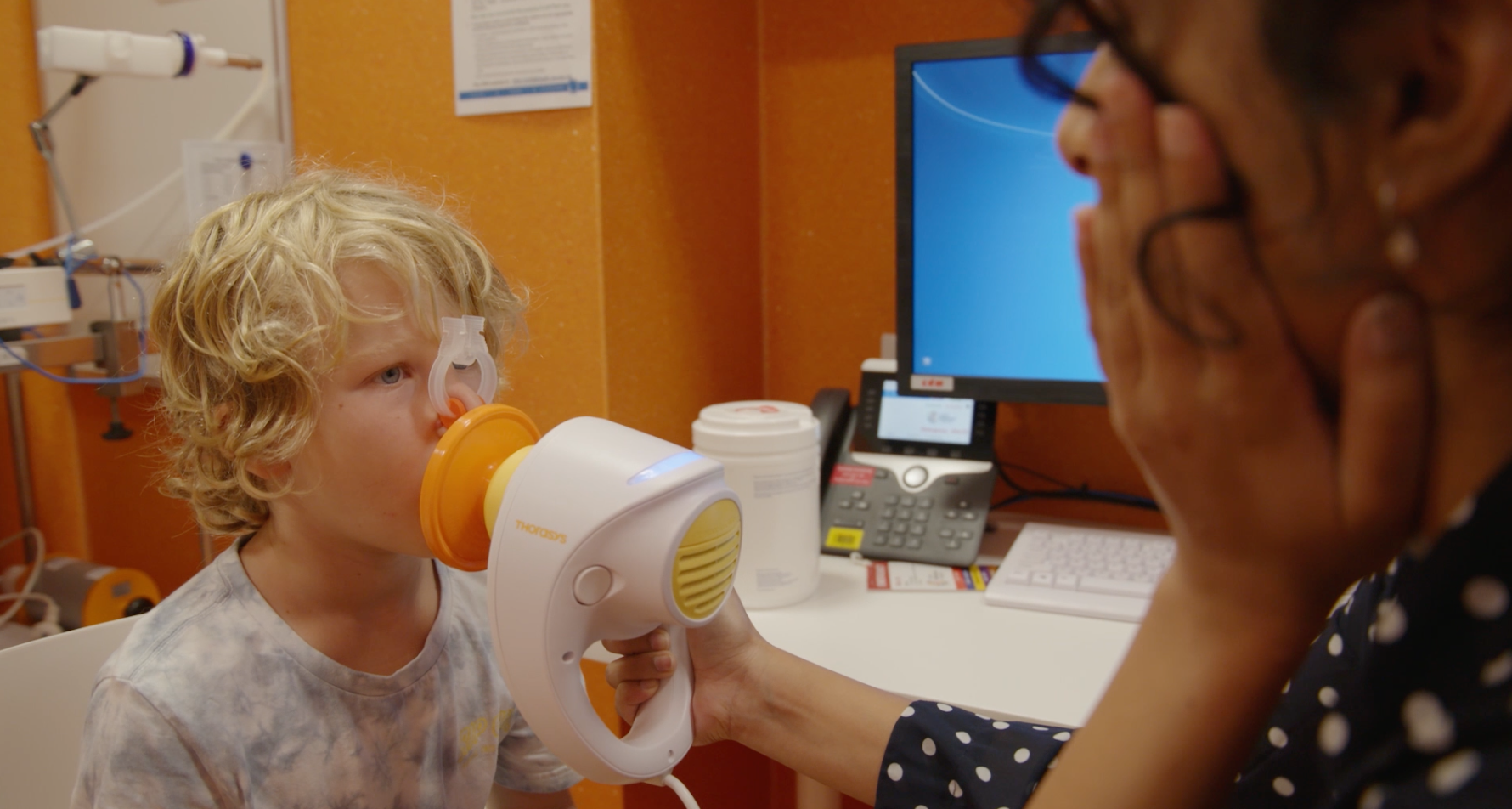
New drug offers hope for people living with cystic fibrosisA promising new treatment pioneered in Western Australia for people with cystic fibrosis has commenced testing in a clinical trial in the United States and Australia.

News & Events
Early Years Partnership budget boost welcomedThe Kids Research Institute Australia has welcomed today’s announcement by the Cook Government and Minderoo Foundation of a $34.6 million boost for the Early Years Partnership to achieve better outcomes for children.
News & Events
Couple leave lasting impact with gift in WillIt was during a time of grief that John Mearns was inspired to make a difference.