
Search
News & Events
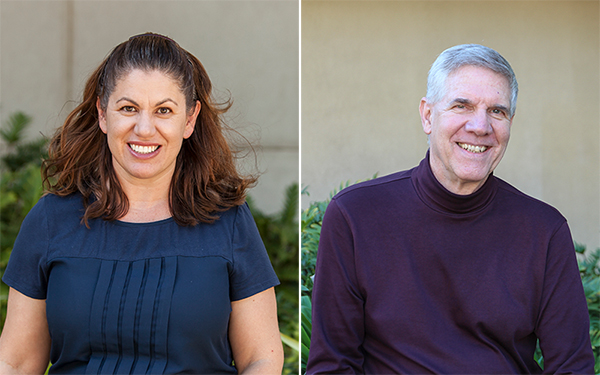
The Kids researchers finalists in Premier’s Science AwardsTwo highly respected The Kids Research Institute Australia researchers have been named as finalists in the 2018 Premier’s Science Awards.
News & Events
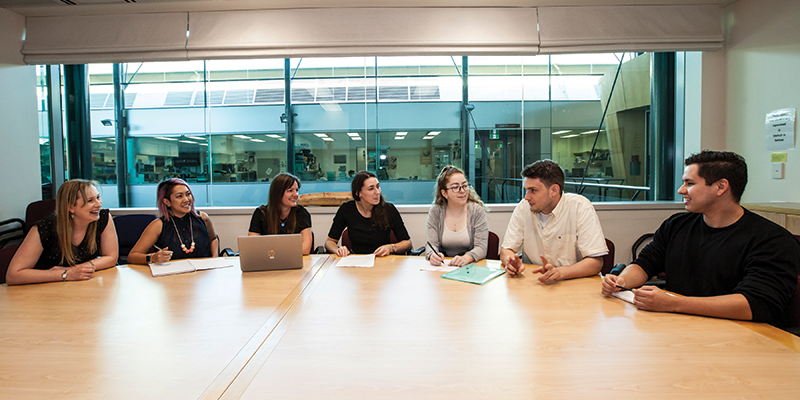
Youthful voices happy to be heardTwenty-year-old Emma Wignell, a proud member of The Kids Research Institute Australia Youth Advisory Committee, was one of the dozens of young Western Australians involved in the community conversations which helped shape the State’s first Youth Health Policy.
News & Events
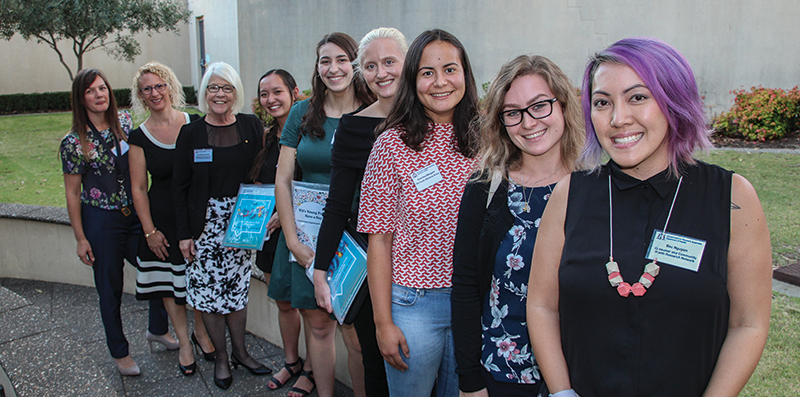
Setting research goals hand in hand with the communityThe Kids Research Institute Australia has long been recognised for the research it produces. But the way the Institute collaborates with the community – asking what they most want or need to know about and tailoring research to deliver those outcomes – is also leading the way.
News & Events
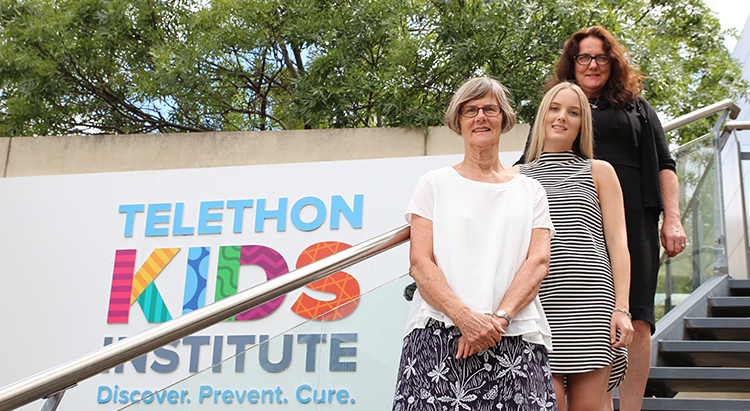
Banksia Hill project a game changer for young people in detentionA ground-breaking The Kids Research Institute Australia study, which revealed that almost every young person being held in the Banksia Hill Detention Centre had some form of neuro-disability, has sparked concern and conversation across Australia and the world.
News & Events
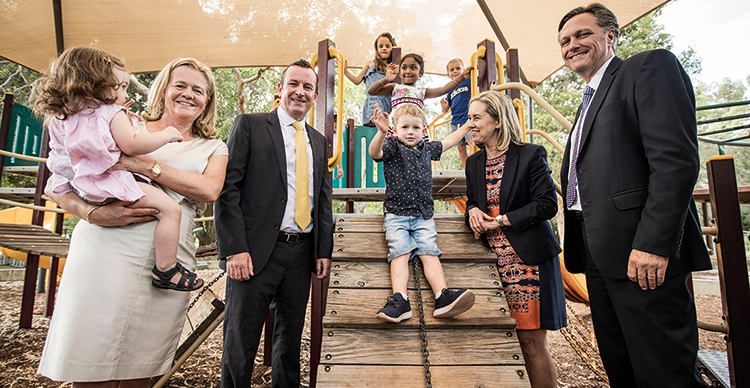
CoLab Early Years InitiativeAs we all know, we only get one start in life. Like the Minderoo Foundation, our partners in CoLab, we are determined to ensure that every start is a strong one for children across Australia.
News & Events
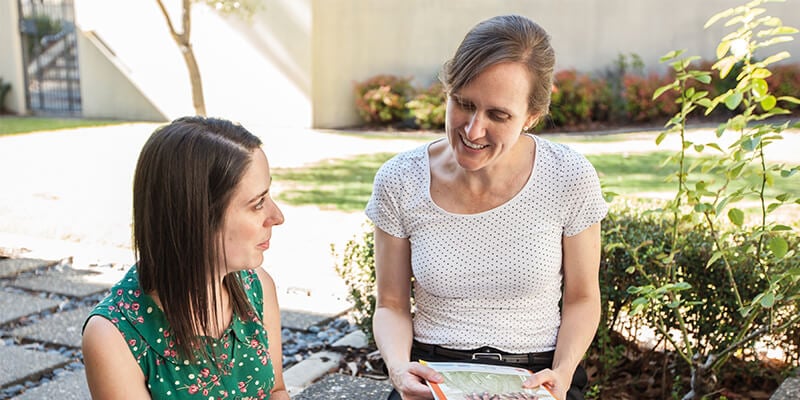
New national guideline set to tackle skin infectionsWhen health organisations in the north-west of WA requested urgent action to address the region’s high rate of skin infections, Dr Asha Bowen answered the call.
News & Events
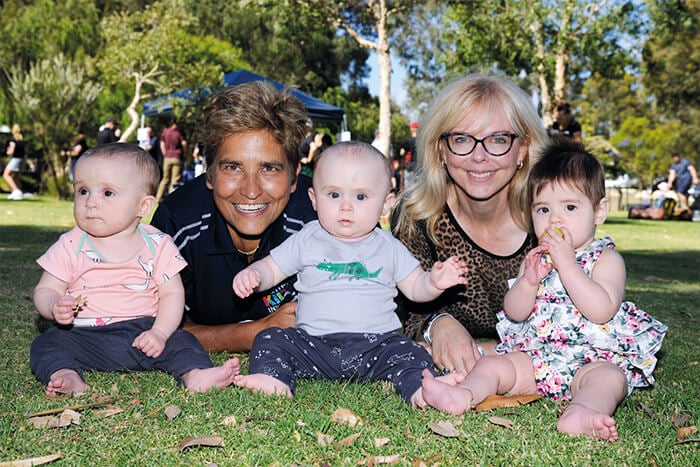
ORIGINS Project shines light on Early Childhood DevelopmentA collaboration between The Kids Research Institute Australia and Joondalup Health Campus is poised to be a game-changer for early childhood development.
News & Events
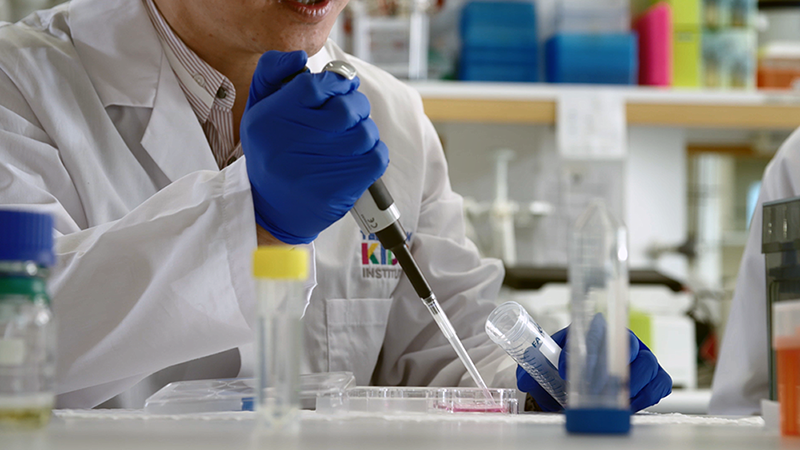
Funding support for high-performing researchersFive outstanding The Kids Research Institute Australia researchers are amongst the eight recipients of the WA Department of Health New Independent Researcher Infrastructure Support (NIRIS) awards.
News & Events
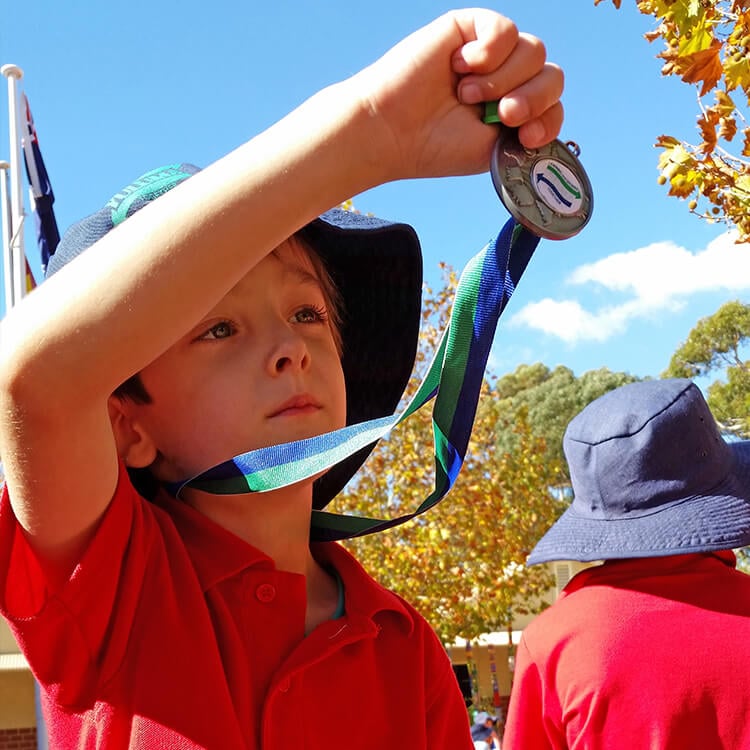
New lease on life for DartanyonTwo years on, Michelle and Dartanyon’s health and quality of life have significantly improved. We caught up with Michelle to hear about their journey since we first met them.
News & Events
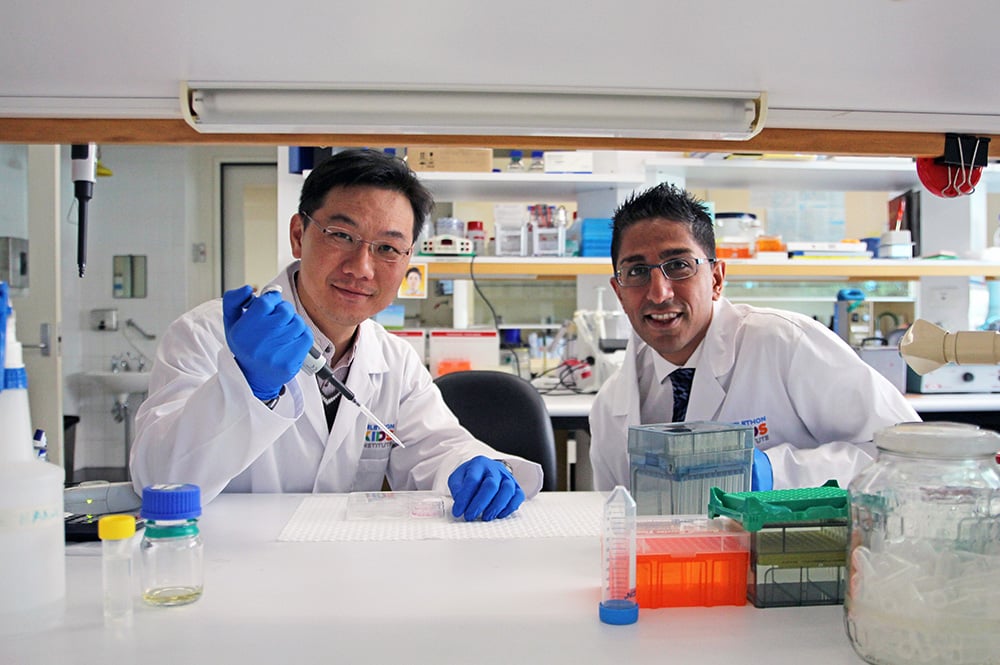
Bone density treatment found to slow the progression of leukaemiaThe Kids Research Institute Australia researchers may have unlocked a vital key to reducing the progression of leukaemia in children, potentially prompting a change in thinking around the best way to target treatment.