
Search
Research
Research priorities for childhood chronic conditions: a workshop reportResearch priorities emphasise a focus on life participation, psychosocial well-being, impact on family and quality of care
Research
Community-based participatory action research on rheumatic heart disease in an Australian Aboriginal homeland: Evaluation of the ‘On track watch’ projectBased in 'both-way learning', the aim of this study was to co-design, implement and evaluate community-based participatory action research to achieve this vision
Research
Local Housing Characteristics Associated with Early Childhood Development Outcomes in Australian Disadvantaged CommunitiesAccess to safe, secure, and stable housing is a well-known social determinant of health
Research
Persistent negative symptoms in individuals at Ultra High Risk for psychosisPersistent negative symptoms can be detected early, allowing for the identification of a subset of Ultra High Risk patients who are likely to have poor outcome
Research
Commissioning and performance characteristics of a pre-clinical image-guided radiotherapy systemCharacteristics of a small-animal radiotherapy device, the X-RAD SmART, are described following commissioning of the device for pre-clinical radiotherapy research
Research
Tissue-resident memory T cells orchestrate tumour-immune equilibriumOur findings provide insight into the immune cell populations important for maintaining long-term tumour dormancy in peripheral tissues
Research
The ORIGINS ProjectORIGINS is a new birth cohort study, collecting detailed information about the early environment's influence on a broad range of non-communicable diseases

News & Events
Gifted pump proves a life changer for familyOliver Bowman is too young to understand the enormity of having type 1 diabetes but his young parents Brooke and Aidan know all too well the reality of having a child with a chronic disease.

News & Events
School well equipped to deal with diabetesMeet Nathan, Hayley and Aiden. They all live with Type 1 Diabetes (T1D) and attend the same primary school.
News & Events
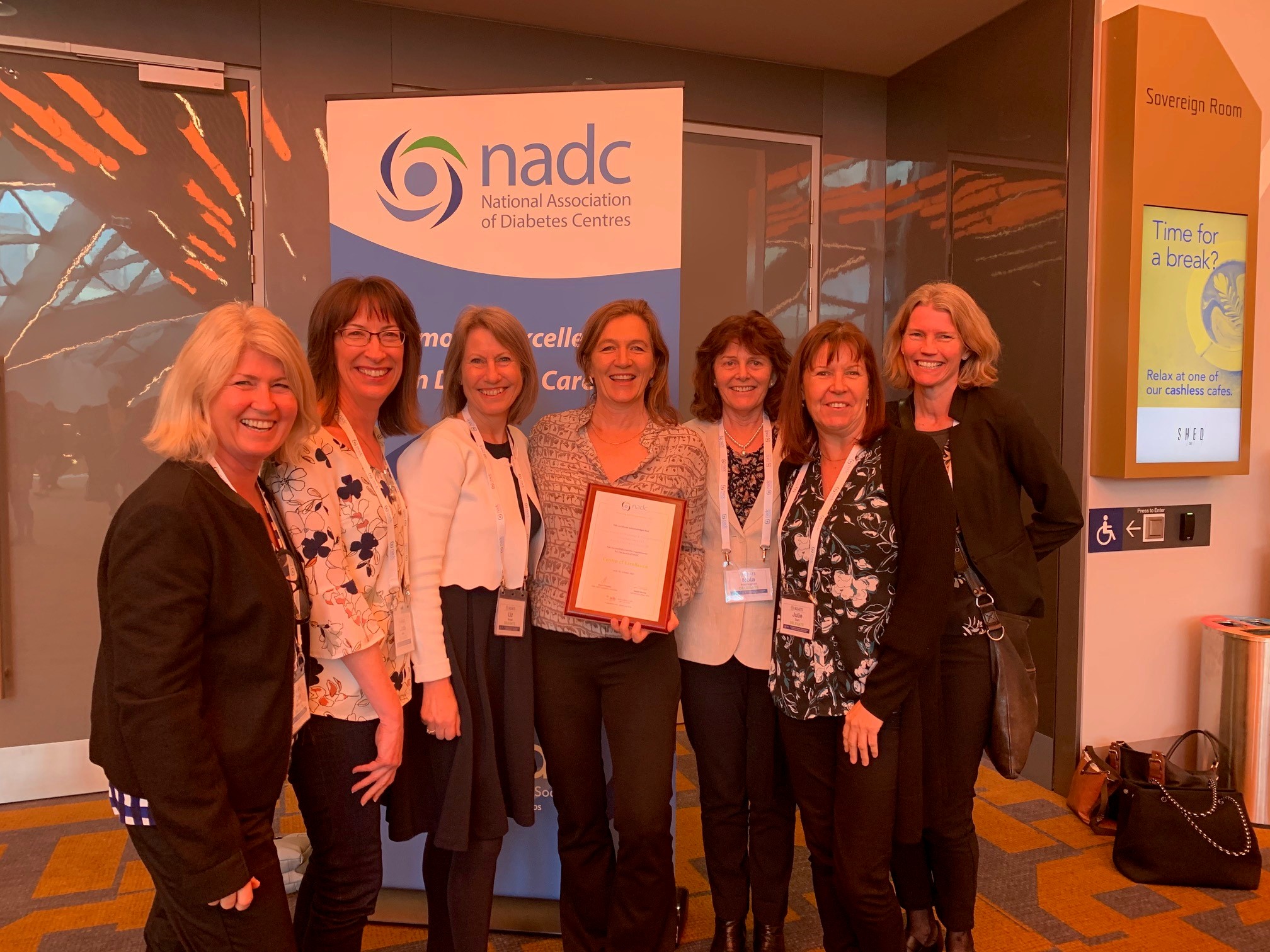
Diabetes Service wins major awardPerth Children’s Hospital’s Diabetes Service has been named a Centre of Excellence (COE) and Tertiary Level Diabetes Service with the National Association of Diabetes Centres (NADC).