Search

News & Events
Research breakthrough gives hope to children with rare and undiagnosed diseasesA complex five-year experiment which cracked the code of a genetic mystery has paved the way for faster and more accurate diagnoses of the most rare and unknown diseases affecting children.
News & Events
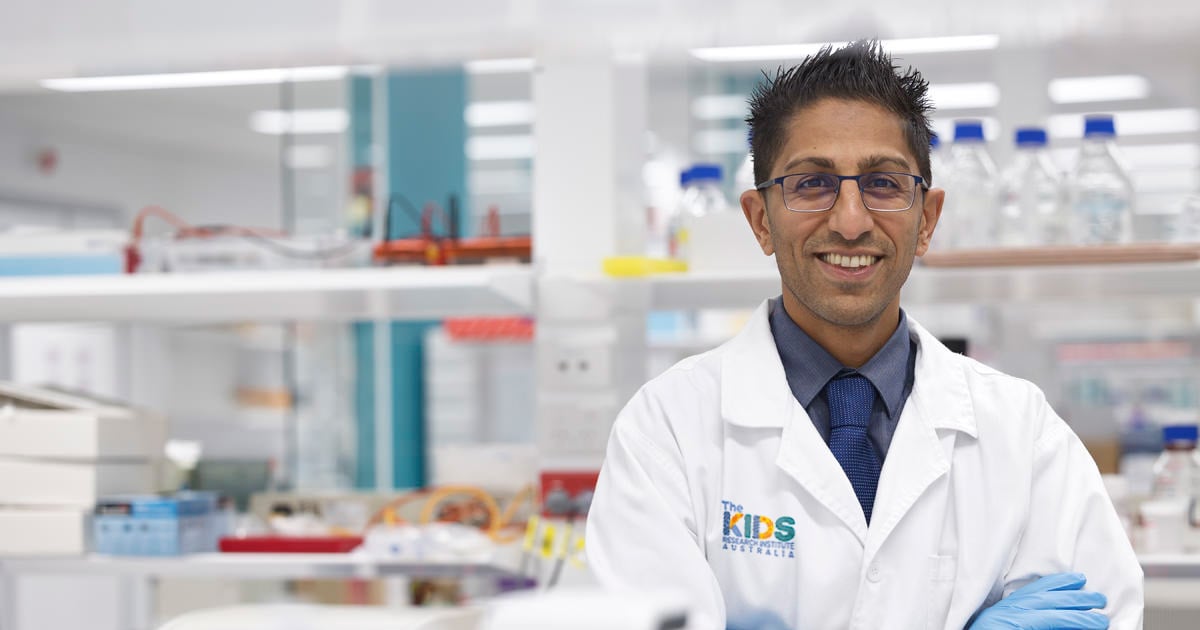
Pioneering paediatric oncologist receives top cancer research awardAssociate Professor Rishi Kotecha, Co-Head of Leukaemia Translational Research at The Kids Research Institute Australia Cancer Centre and Consultant Paediatric Oncologist at Perth Children's Hospital, has been named Cancer Council WA’s 2024 Cancer Researcher of the Year.
News & Events
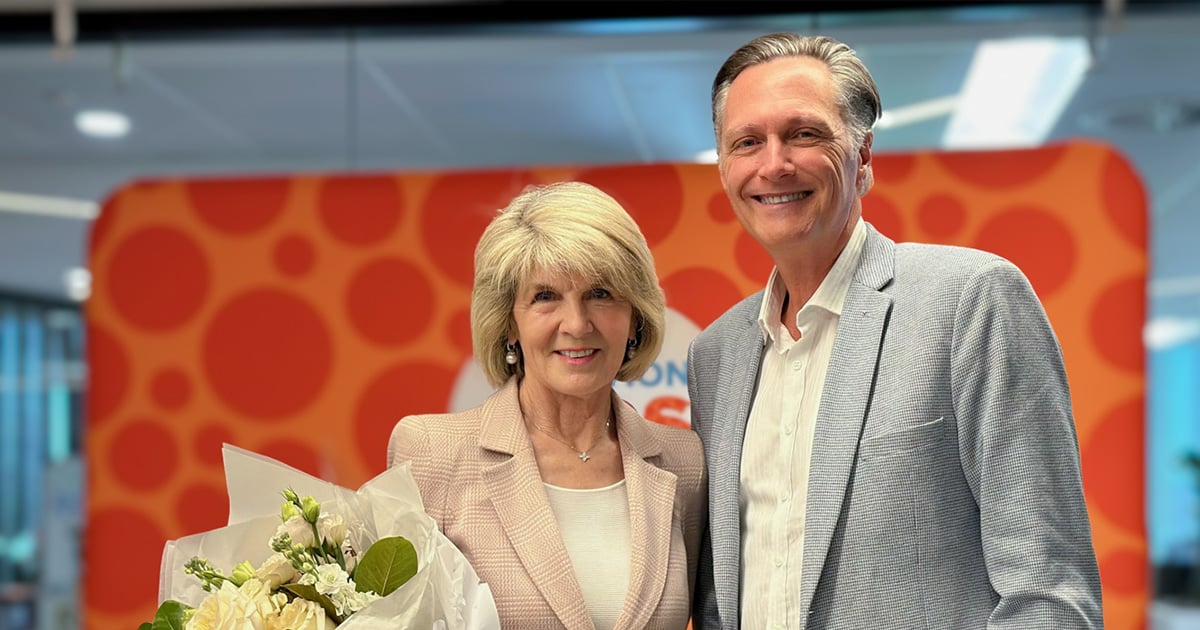
Julie Bishop steps down as Chair of The Kids Research Institute Australia to focus on new roleThe Chair of The Kids Research Institute Australia, the Hon Julie Bishop, has stepped down after five years to allow her to focus on her critical role as the United Nations Secretary General’s Special Envoy on Myanmar.
News & Events
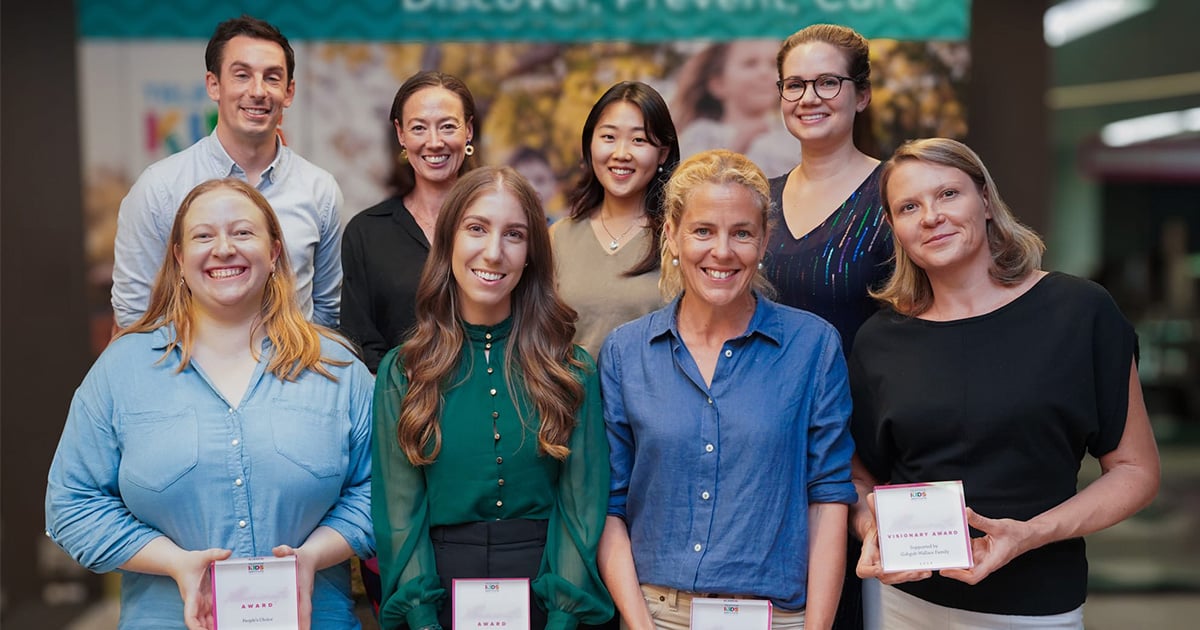
Pitch perfect projects powered by philanthropyEarlier this week ten emerging researchers took to the stage to pitch their projects to a room full of excited and engaged philanthropists who share our vision of happy, healthy kids.
News & Events
Enhancing the lung health for preterm birth survivors by uncovering treatable traitsA project to uncover treatable traits to improve the lung health of people born preterm has been made possible thanks to a $1.99 million Medical Research Future Fund (MRFF) grant.
News & Events
News you can use – How you can support your child while you wait for a diagnosisThe Kids Research Institute Australia's Professor Andrew Whitehouse and Sarah Pillar share four things families can do to support their child while waiting to receive an ADHD or autism diagnostic assessment.
News & Events
Company behind device that improves drug delivery to lungs awarded prestigious innovation awardA The Kids Research Institute Australia spin-off company, Inspiring Holdings Pty Ltd (Inspiring), has been announced as winner of the Wesfarmers Wellbeing Platinum Award in the prestigious WA Innovator of the Year awards for their novel Universal Spacer System – a device which improves the delivery of inhaled dru
News & Events
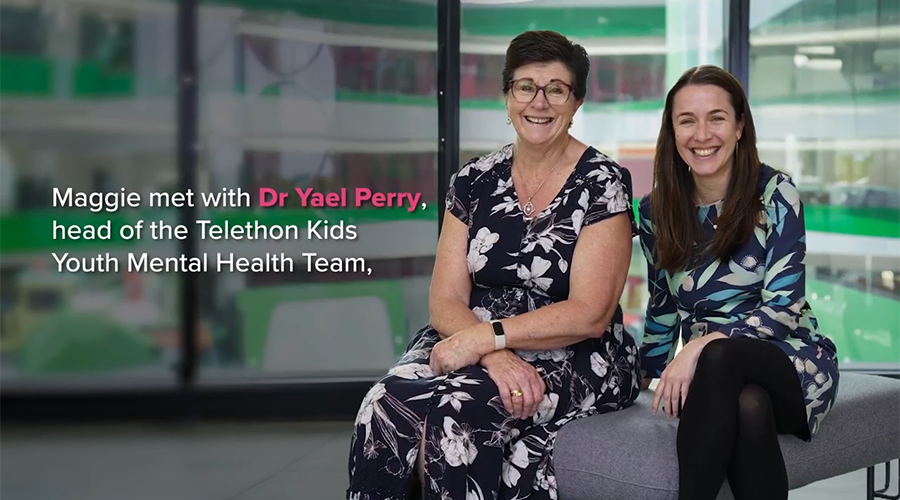
Maggie Dent visits The Kids Research Institute Australia as part of research for new bookWe were delighted to have Australia’s best-known parenting author, Maggie Dent, back at The Kids Research Institute Australia this week, to talk about the mental health of our teenagers.
News & Events
Mental health champion a ‘brilliant woman’Congratulations to Head of Youth Mental Health at The Kids Research Institute Australia, Dr Yael Perry, who has received a Telstra Health 2023 Brilliant Women in Digital Health Award in recognition of her innovative use of technology to achieve positive mental health outcomes for marginalised young people.
News & Events
Prevention better than cure in race to slash rates of TBThe first global review of the effectiveness of current strategies to fight tuberculosis has found preventive therapy is the most effective intervention strategy.