
Search

News & Events
Are you using a Dexcom G5 Continuous Glucose Monitor?Read on to find out how to link the Dexcom G5 to a Diasend account.

News & Events
The Importance of BreakfastDon't skip breakfast. Having breakfast establishes a healthy eating routine which is important both for weight control and for brain development in children.
News & Events
Pump failureIn the event of an insulin pump failing, or being stolen or lost, things will be much less stressful and easier to manage if you are prepared.
News & Events
Insulin pump helps to predict and prevent hyposNew research from the Children’s Diabetes Centre has found a pump that suspends insulin delivery when BGLs fall can halve the incidence of hypoglycaemia.
News & Events
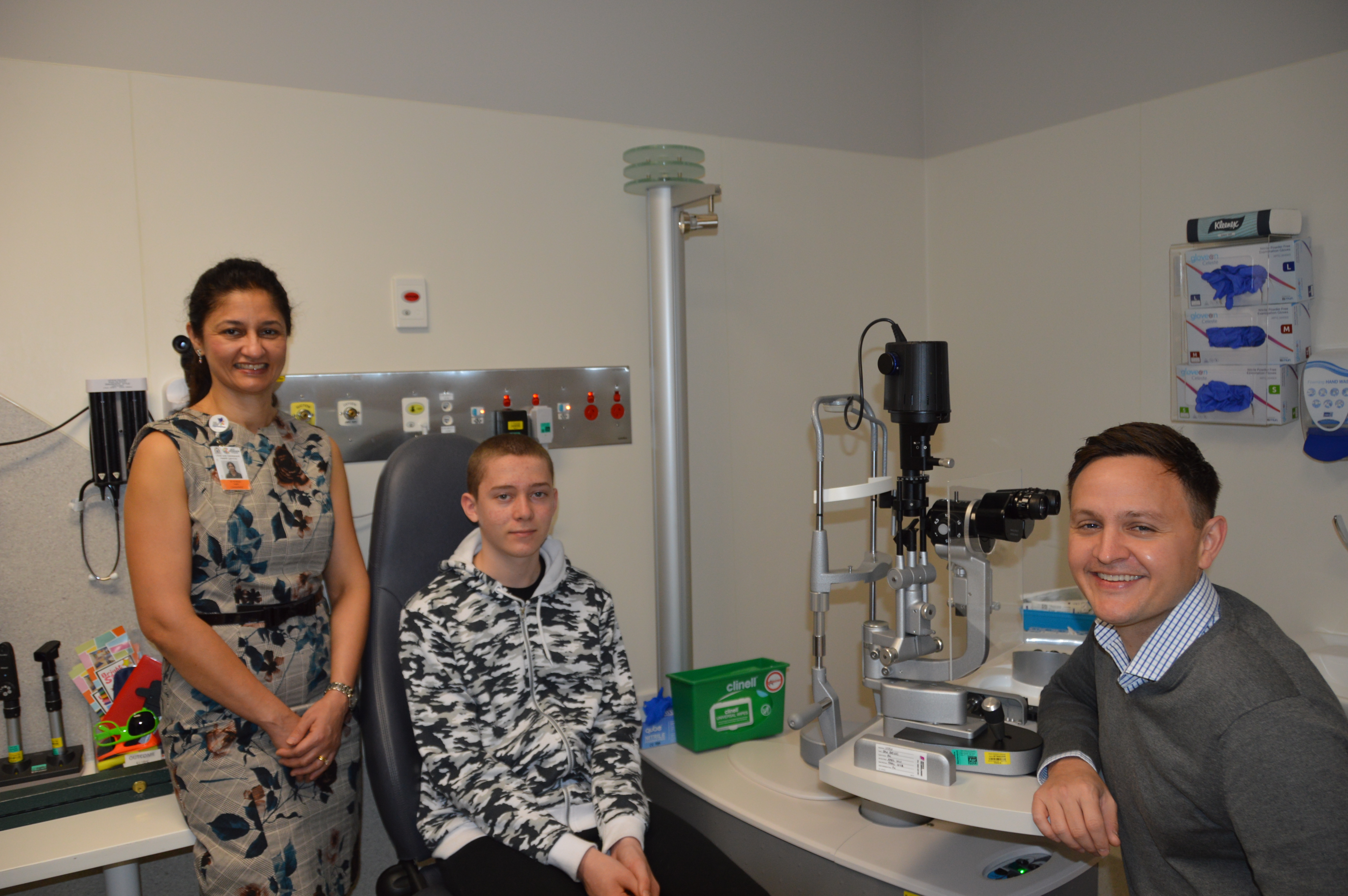
New Eye ClinicThere's a new children’s clinic to revolutionise diabetic eye treatment here in WA. The clinic is a collaboration between the Lions Eye Institute

News & Events
Physical activity vital to diabetes managementParents of children with Type 1 Diabetes often feel they need to wrap their child in cotton wool rather than let them get on with the job of being a kid and eve

News & Events
2016 Events CalendarFind all the events the Children's Diabetes Centre have scheduled for 2016.

News & Events
Family’s fundraising efforts a hole-in-oneWhen Meghan Bunter’s daughter was first diagnosed with diabetes, she felt overwhelmed not only with Ella’s diagnosis but also the flood of donation requests.
A new series of educational videos about managing Type 1 Diabetes and its challenges
News & Events
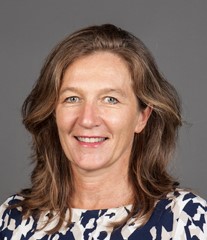
5 minutes with Professor Liz DavisCentre co-director Dr Liz Davis talked to JDRF Australia about women and science to celebrate the recent International Day of Women and Girls in science.