Search
News & Events
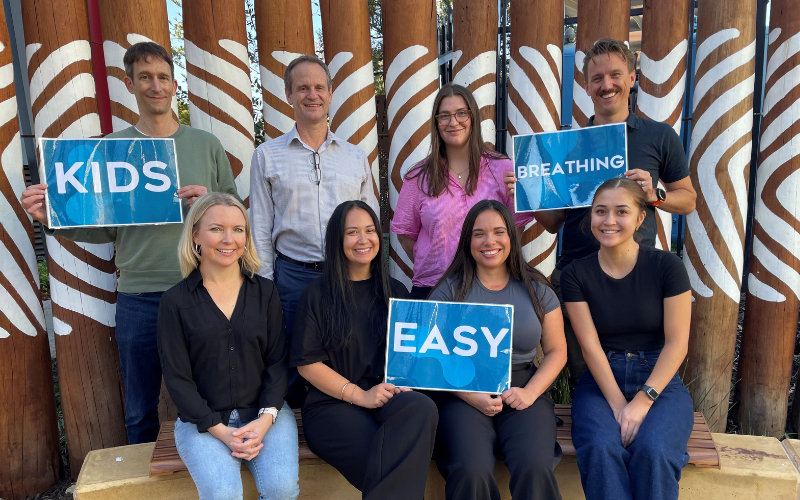
Kids Easy Breathing Study KickstartsThe Kids Easy Breathing Study kickstarts this month, with the aim of finding out how the airway surface is different between infants who develop chronic lung disease after contracting bronchiolitis compared with those who don’t.

News & Events
Unique twin study reveals clues to childhood allergiesA study published in Science Advances has revealed that while genetics play a significant role in shaping children's immune systems, environmental factors also influence key immune responses, offering opportunity for preventing allergic diseases.

Use of a Primary Epithelial Cell Screening Tool to Investigate Phage Therapy in Cystic Fibrosis Antimicrobial-resistant microbes are an increasing
Investigating self-efficacy, disease knowledge and adherence to treatment in adolescents with cystic fibrosis Aim: Patient adherence is integral to
News & Events
Respiratory research program recruits 400th participant, marking key milestoneIn September 2024, the Western Australian Epithelial Research Program (WAERP) reached a significant milestone by recruiting its 400th participant.
This study aimed to explore the links between infection and where early damage due to CF is found in young children with CF. The results showed that
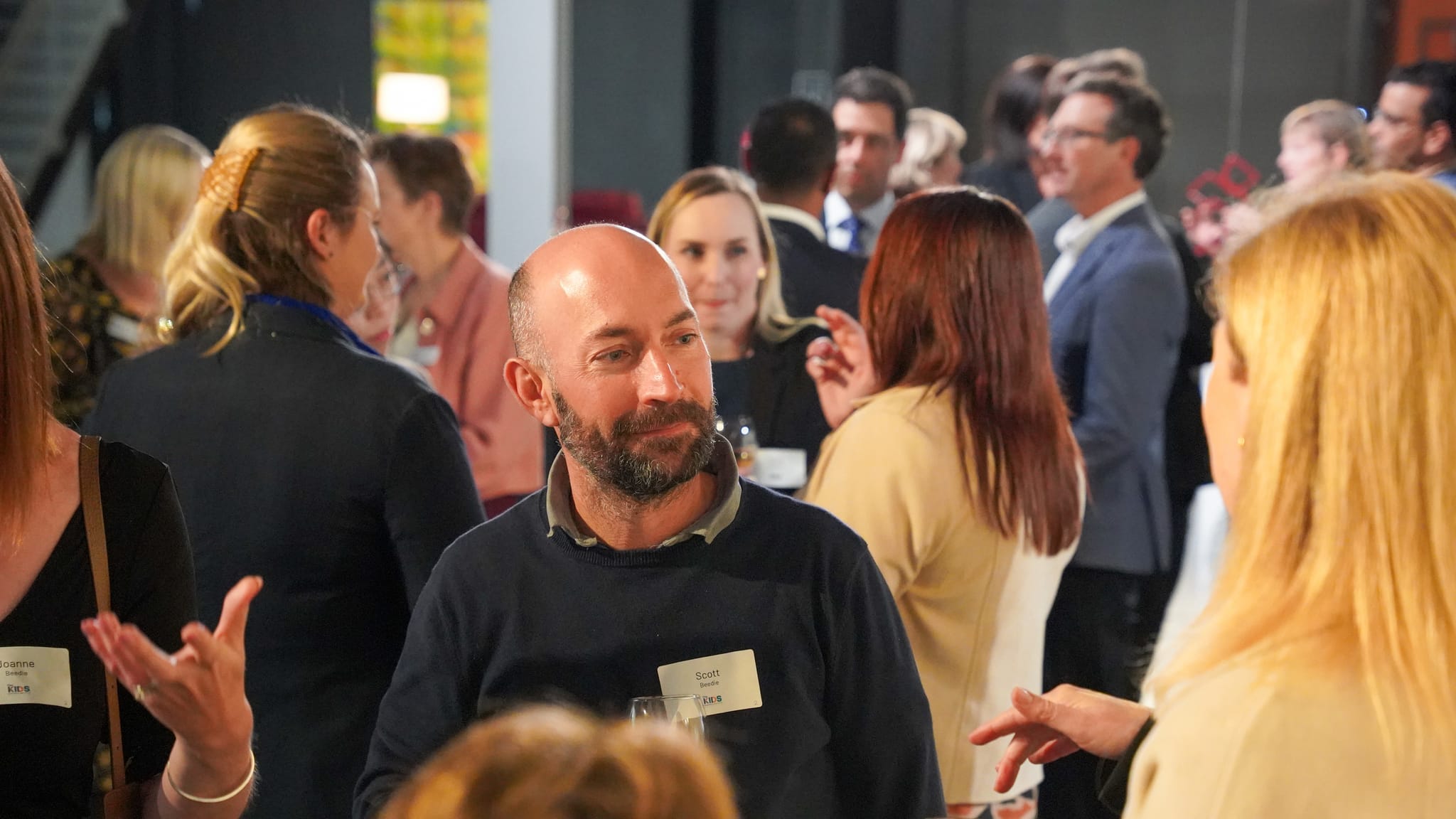
Your presence connects brilliant minds with the support they need to fuel bold ideas.
Research
Ear Explorers: A ‘real-life research project’ enabling children to view inside their own ears using smartphone video-otoscopyChris Brennan-Jones PhD Head, Ear and Hearing Health chris.brennan-jones@thekids.org.au Head, Ear and Hearing Health Professor Chris Brennan-Jones is
Research
Early MovesThe Early Moves study is investigating whether a baby’s early movements can predict difficulties with learning (known as cognitive impairment) later in childhood.
Research
Engineering new tools to improve energy metabolismAleksandra Filipovska BSc PhD Louis Landau Chair in Child Health Research; NHMRC Leadership Fellow; Deputy Director, ARC Centre of Excellence for