Search
News & Events
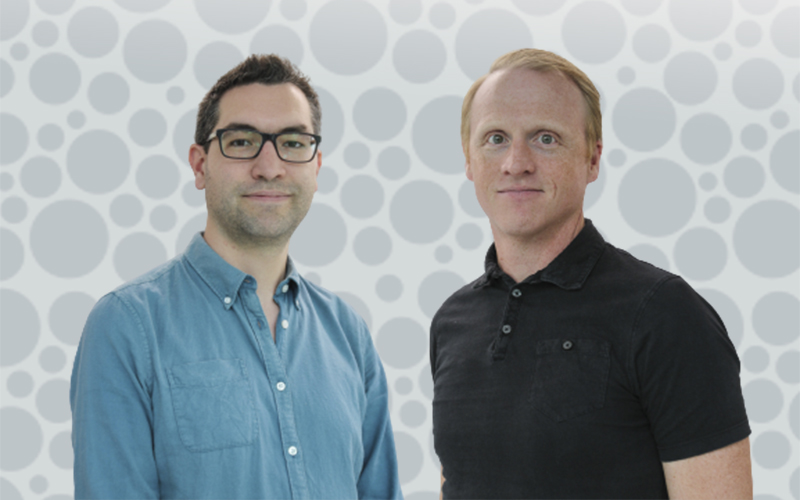
The Kids Research Institute Australia and Curtin University researchers among world’s most influential in their fieldTwo researchers working across The Kids Research Institute Australia and Curtin University have been named among the world’s most highly cited scientists.
News & Events
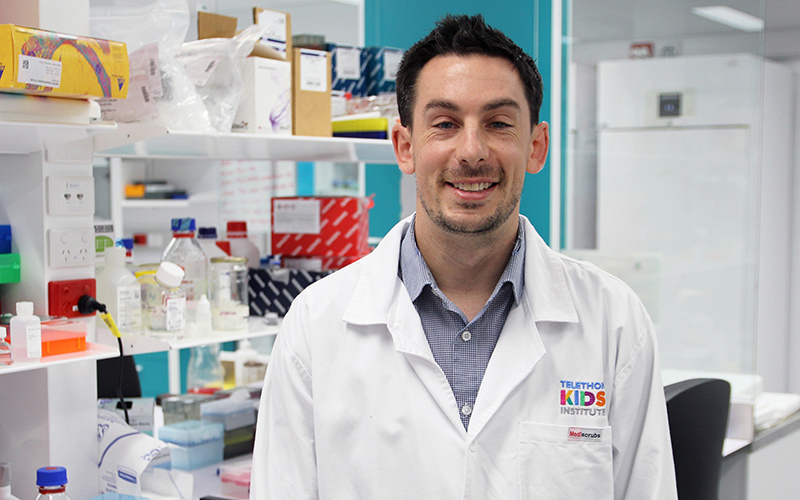
The Kids Research Institute Australia Cancer Centre Researcher wins Cancer Council WA FellowshipCancer Council WA has awarded a Post-Doctoral Fellowship to Dr Ben Wylie, for his project to help kids with sarcoma.
News & Events
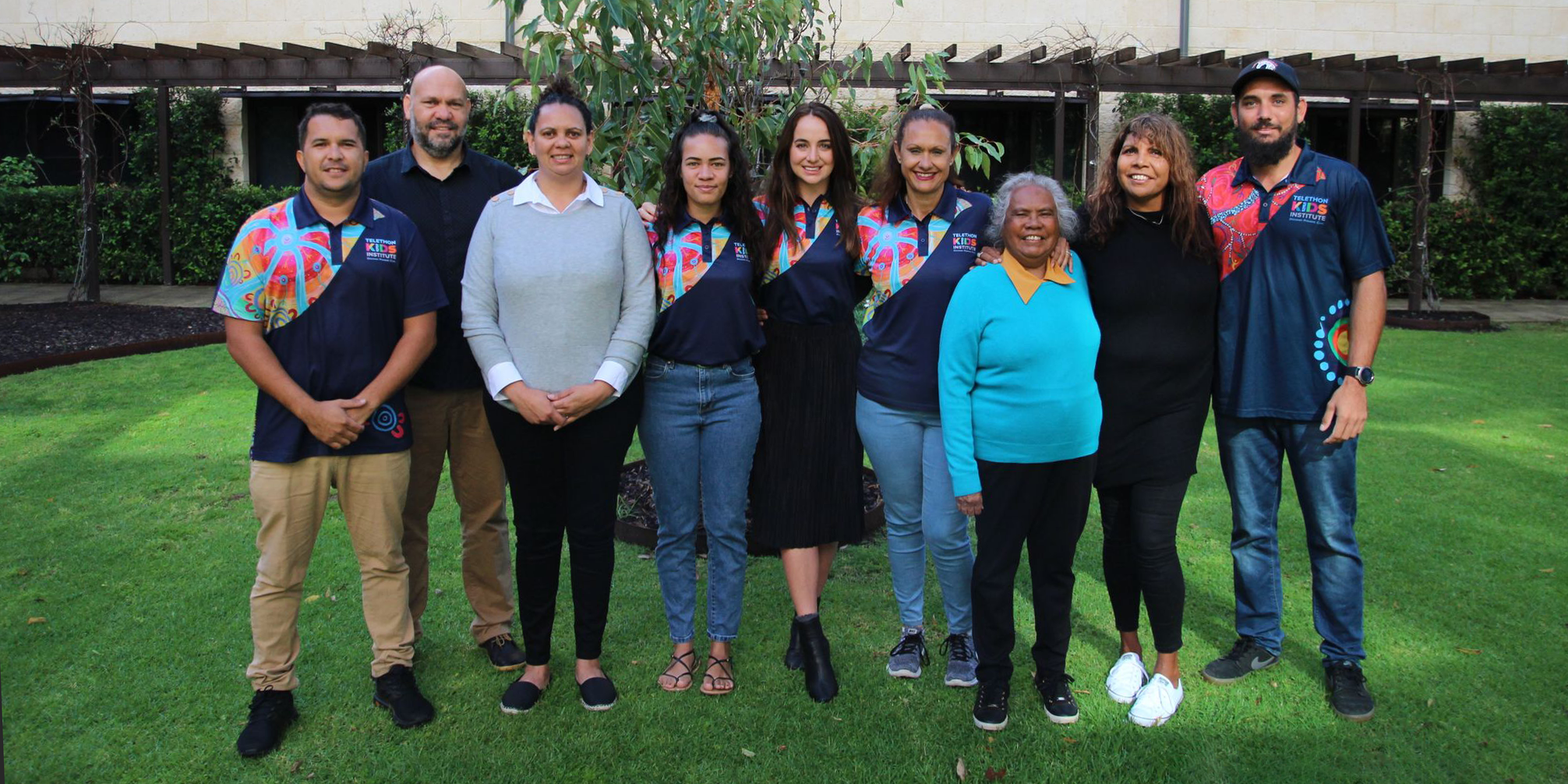
Aboriginal Employment and Career Development StrategyWe are excited to launch our new Aboriginal Employment and Career Development Strategy (AECDS), aimed at building a culturally secure work environment by continuing to embed Aboriginal health & wellbeing into our research.
News & Events
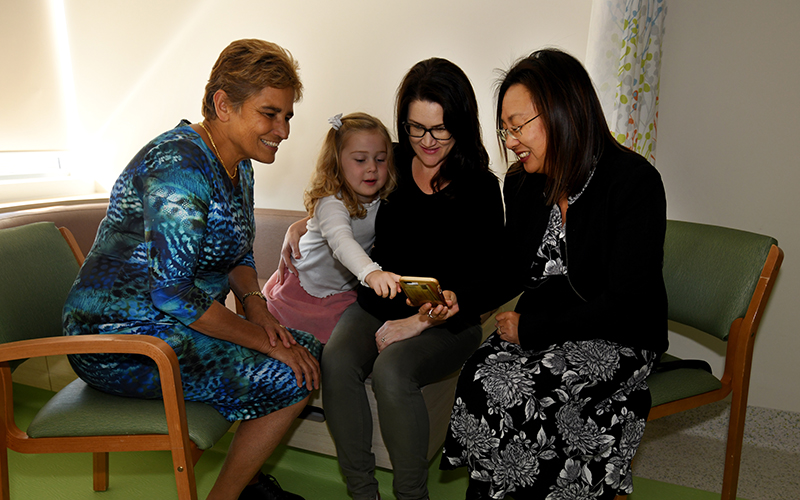
New locally-developed app to support women through pregnancyA new evidence-based app designed to support pregnant women to live a healthy lifestyle and give their baby the best start has been launched by The Kids Research Institute Australia and the Joondalup Health Campus

News & Events
Injury study aims to help frontline staff better recognise domestic violenceA The Kids Research Institute Australia research student concerned by the types of injuries he was seeing in emergency departments as a trainee doctor has spearheaded an Australia-first study.
News & Events
School excursions at The Kids Research Institute AustraliaThe The Kids Discovery Centre schools pilot program is returning in 2021!

News & Events
New project to boost global fight against malariaResearchers from The Kids Research Institute Australia and Curtin University are excited to be part of a new US$30 million global project to fight malaria.
News & Events
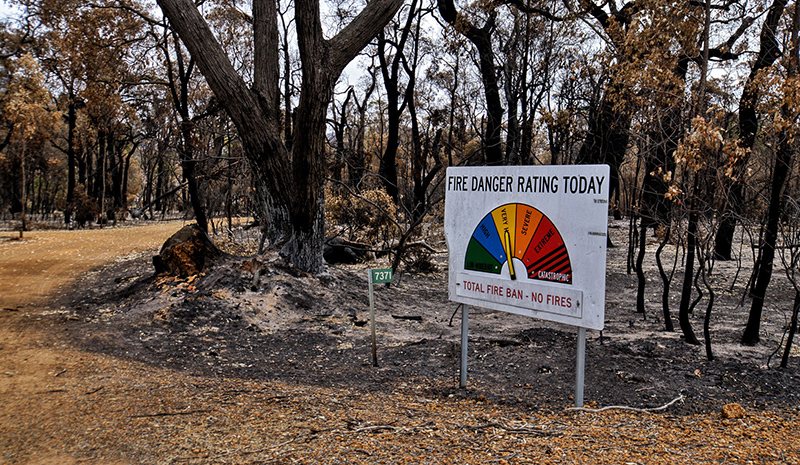
How summer bushfires can impact your family’s healthBushfires can have a considerable impact on our health, with some symptoms lasting long after the flames are extinguished. And our children are amongst the most vulnerable.
News & Events
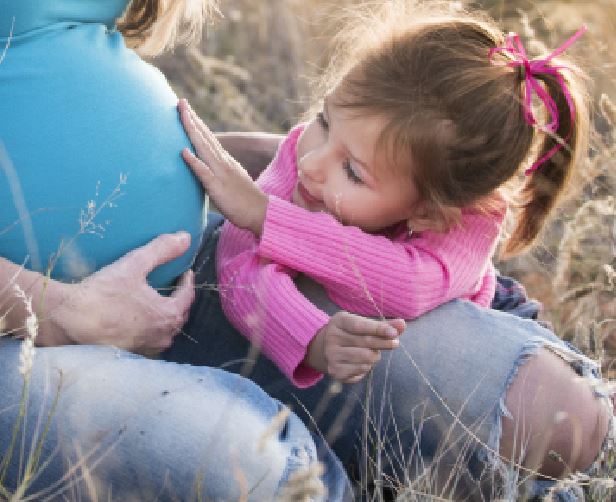
Latest RSV results pave way for world-first vaccineThe Kids Research Institute Australia researchers leading the Western Australian site of a global respiratory syncytial virus (RSV) study can now fine-tune development of a world-first vaccine for pregnant mothers.
News & Events
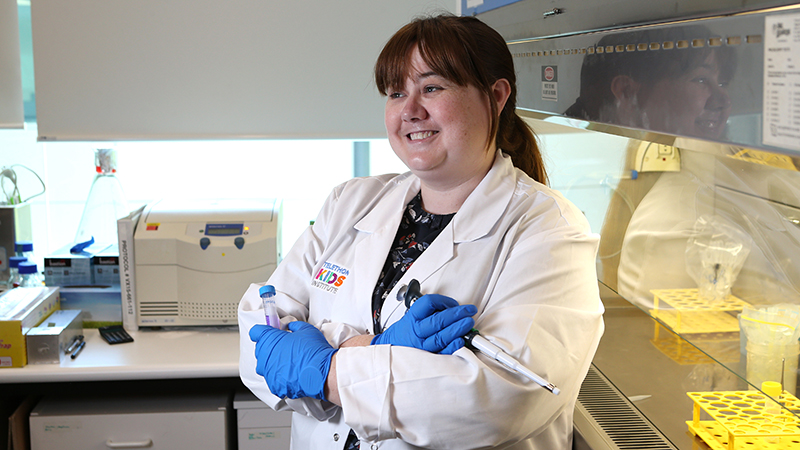
“Natural killer” donor cells fighting kids leukaemiaNew research by The Kids shows donor immune cells are highly effective at boosting the body’s response against leukaemia.