Search

News & Events
Self-Compassion in the wake of COVID-19 lockdownWith COVID-19 restrictions starting to lift and families resuming some level of ‘normal life’, it is natural to have mixed feeling during this time, says The Kids mental health researcher.

News & Events
The Kids welcomes passing of WA Future Fund Amendment BillThe Kids Research Institute Australia welcomes the passing of the Western Australian Future Fund Amendment (Future Health Research and Innovation Fund) Bill in State Parliament today to support health and medical research and innovation in WA.
News & Events
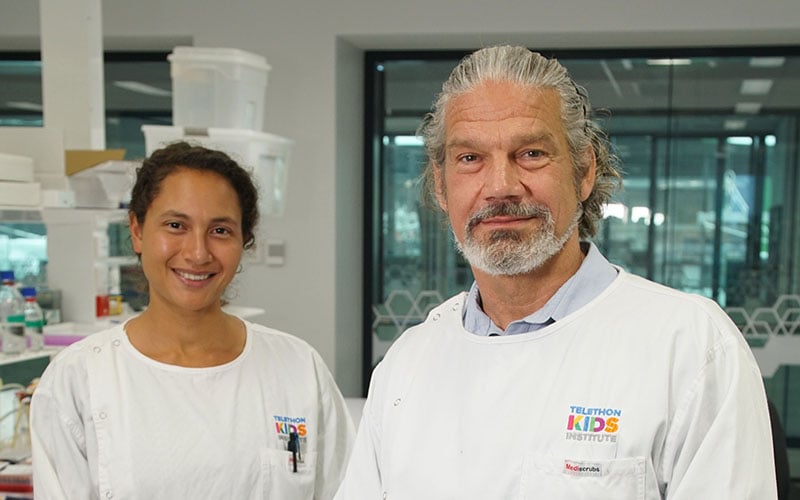
Researchers unlock BCG vaccine puzzle in findings that could save millions of newbornsThe Kids Research Institute Australia researchers working with a global team have identified the mechanism behind one of science’s most enduring mysteries.
News & Events
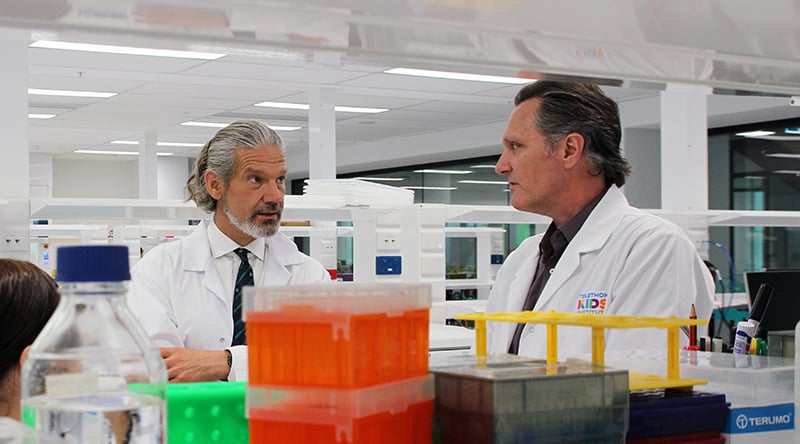
BHP commits $2.6 million to research focused on stopping COVID-19 spreadResearchers from The Kids Research Institute Australia will lead a world first trial to test the effectiveness of the drug interferon in stopping outbreaks of COVID-19 by reducing the infectiousness of people who contract the virus.
News & Events
COVID-19 informationThe situation with COVID-19 is constantly evolving, and there is an extraordinary amount of information circulating which can be both overwhelming and difficult to navigate.
News & Events
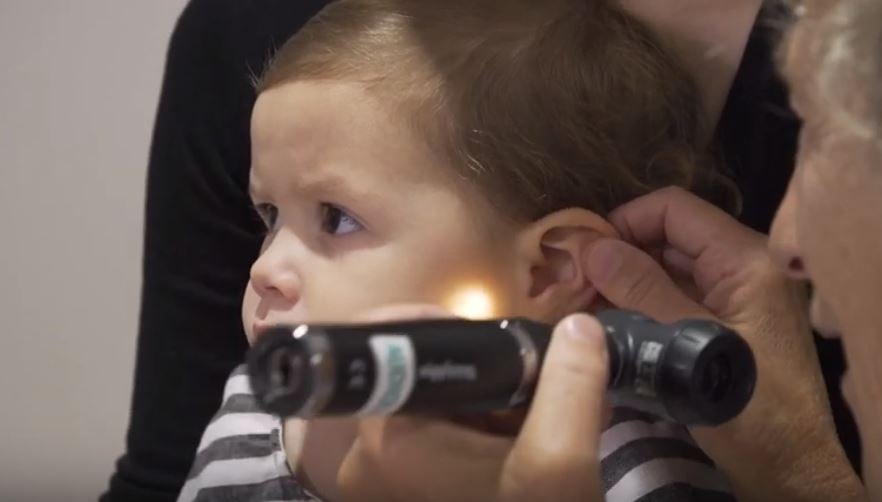
Perth researchers one step closer to wiping out childhood ear infectionsResearchers from The Kids Research Institute Australia have identified the main bacteria responsible for recurrent ear infections and repeat ear surgeries in children.
News & Events
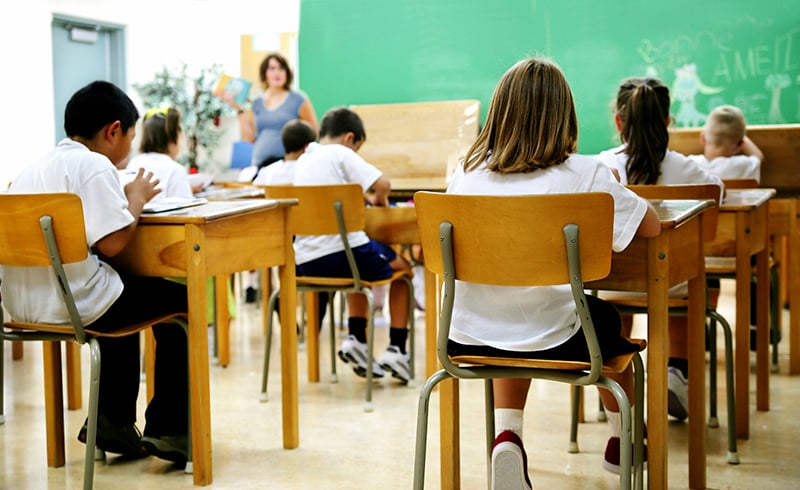
What parents should know about coronavirusSchools are issuing restrictions around attendance after travel overseas due to coronavirus. Here's how to prepare your kids against the spread of infectious disease on their return to school.
News & Events
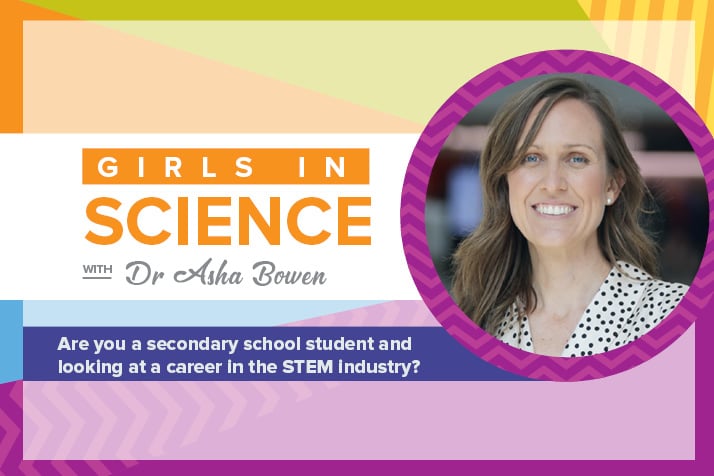
Hear from Dr Asha Bowen at our free Girls in Science EventSecondary students have the opportunity to hear from Associate Professor Asha Bowen, a 2018 L’Oreal-UNESCO Women in Science Fellow, in a free online event this National Science Week.
News & Events
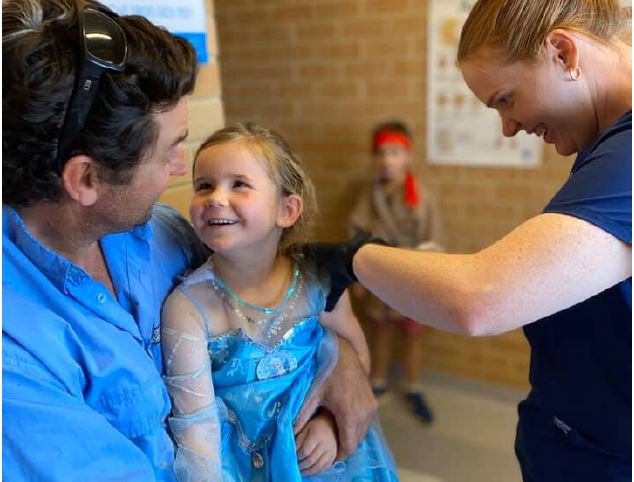
Landmark Australian influenza collaboration finalist for Eureka PrizeInfectious disease researchers who used a decade of scientific evidence to advocate for a nationwide childhood influenza immunisation policy have earned a finalist position at the country’s most prestigious science awards – the Australian Museum Eureka Prizes.
News & Events
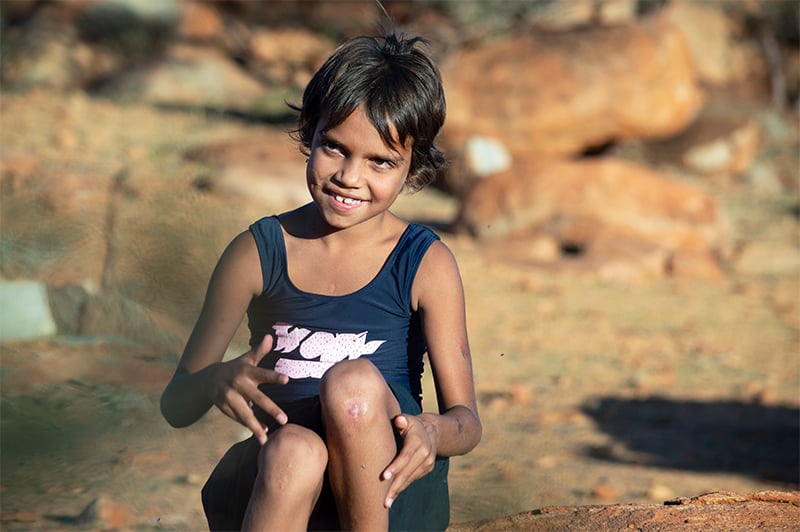
Endgame for deadly heart disease will save hundreds of livesRheumatic heart disease, a deadly yet entirely preventable heart disease taking the lives of Aboriginal and Torres Strait Islander people, is finally on the verge of elimination thanks to new research