Search
News & Events
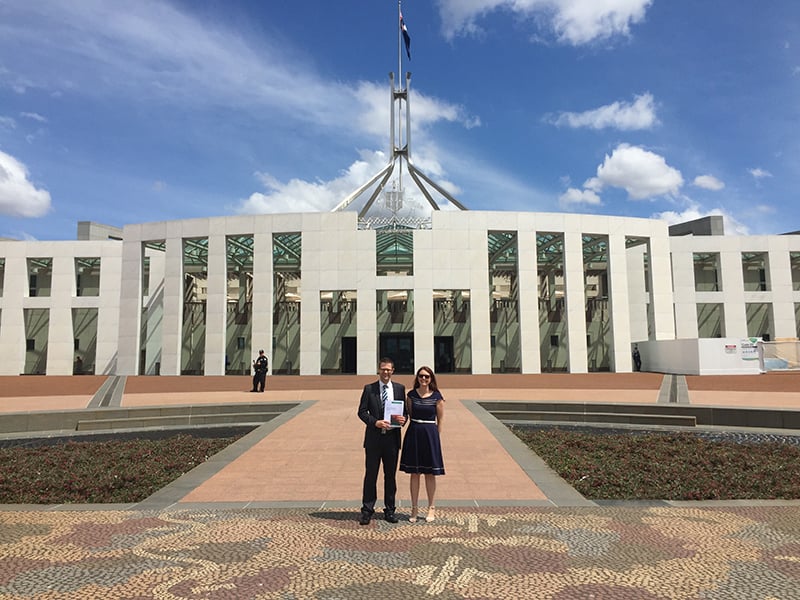
Launch of National Autism GuidelineResearchers from The Kids Research Institute Australia, working with the Autism CRC, have led the development of the National Guideline for the Assessment and Diagnosis of Autism Spectrum Disorder in Australia which was launched today.
News & Events
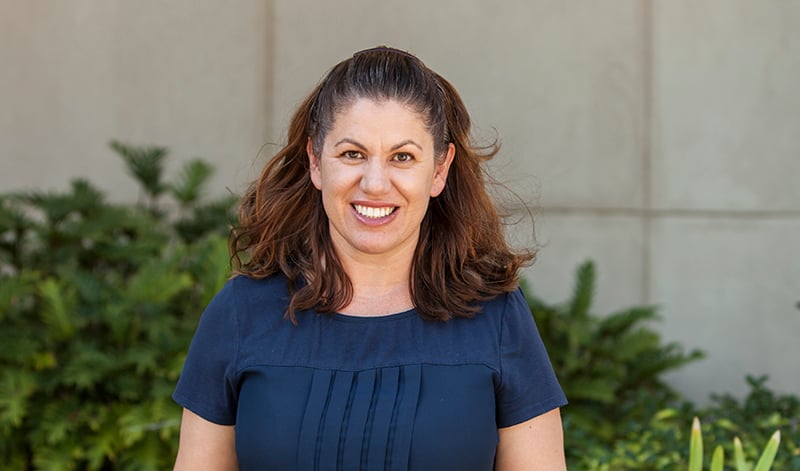
The Kids researcher honoured at Premier’s Science AwardsThe Kids Research Institute Australia researcher Dr Melissa O’Donnell has been named Woodside Early Career Scientist of the Year at the 2018 Premier’s Science Awards for her internationally recognised work in the area of child abuse and neglect.
News & Events
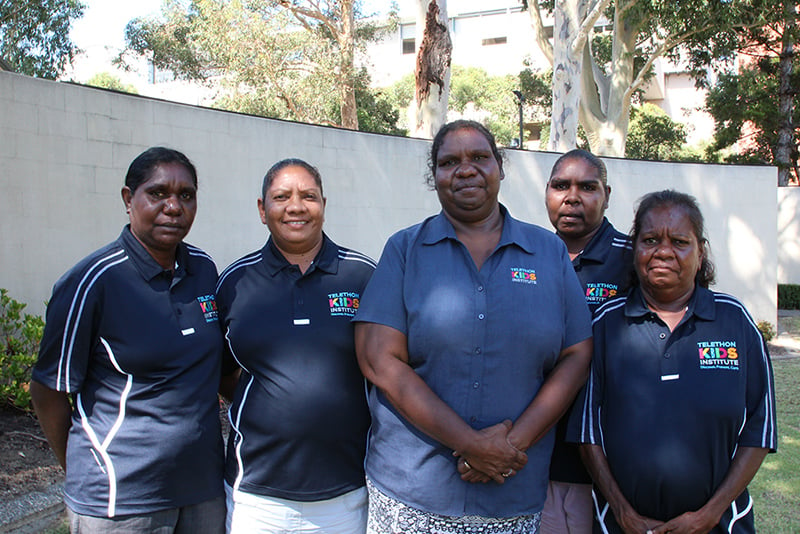
Because of her, we can: NAIDOC Week 2018As leaders, trailblazers, researchers, teachers, and social change advocates, Aboriginal and Torres Strait Islander women at The Kids fought and continue to fight to bring positive, sustainable change to the health and well-being of Aboriginal children and families.
News & Events
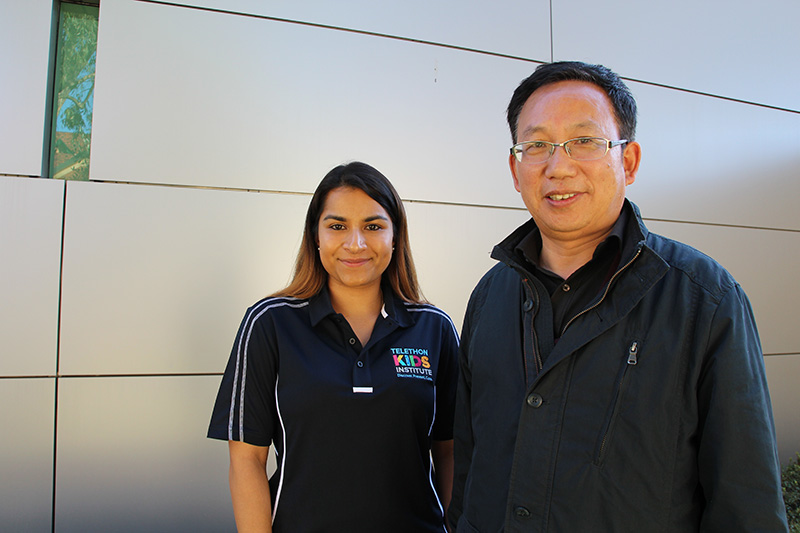
Chinese immigrants in Australia at higher risk of allergies, research showsChinese immigrants who live in a Western environment like Australia have an increased risk of allergies, hay fever and asthma, new research led by Curtin University and The Kids Research Institute Australia has found.
News & Events
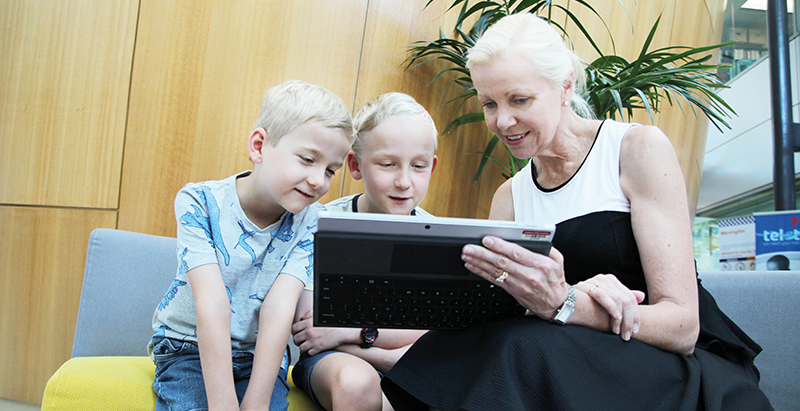
Cyberbullying work finds international audienceSchools from around the globe have turned to The Kids Research Institute Australia, seeking access to invaluable lessons learned from Australian students on how to effectively reduce harm from cyberbullying.
News & Events
UV offers new hope in fight against MSPeople at risk of developing multiple sclerosis (MS) have been offered a beacon of hope thanks to research into UV exposure.
News & Events
Meningococcal vaccine provides extra protection for bubsIn 2017, a steep rise in cases of meningococcal disease caused by the W strain sparked a wave of concern for parents in Western Australia.
News & Events
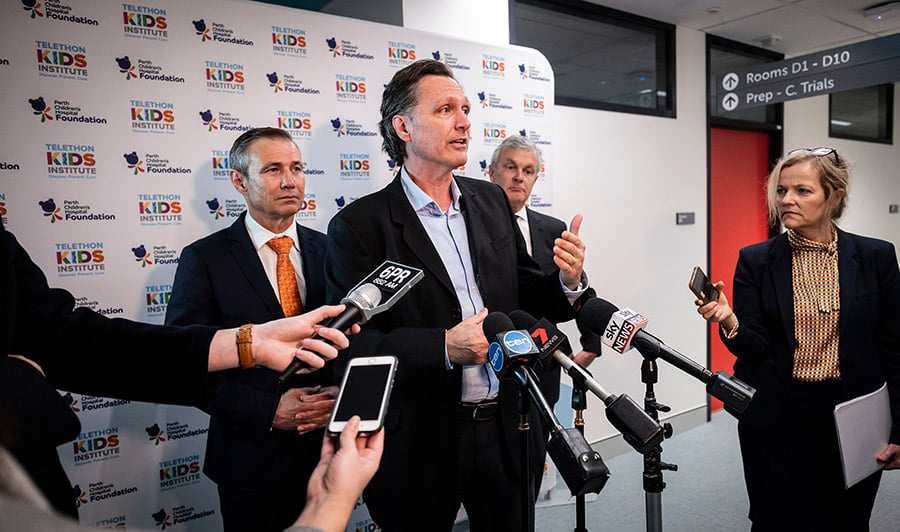
WA first international hub for Human Vaccines ProjectThanks to a partnership with Perth Children’s Hospital Foundation, Perth’s The Kids Research Institute Australia will be at the forefront of a global push to decode the human immune system to transform how we prevent, diagnose and treat disease as the first international hub of the Human Vaccines Project.
News & Events
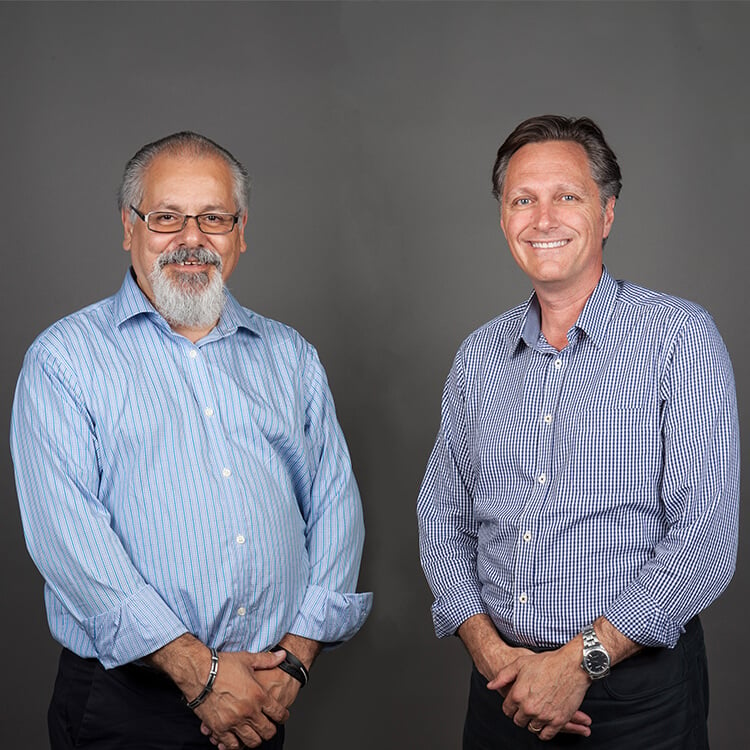
Award honours for The Kids researchersTwo outstanding The Kids Research Institute Australia research leaders have been named finalists in the 2018 Western Australian of the Year Awards.

News & Events
New The Kids Board membersWe are delighted to announce two outstanding appointments to our Board of Directors. Joining the Board are Fiona Drummond and Jane Muirsmith.