
Search
Research
Acceptance and Commitment Therapy (ACT) intervention in adolescents with type 1 diabetes: A pilot and feasibility studyA considerable proportion of patients with type 1 diabetes (T1D) experience emotional problems due to the continual demands of the disease, which may persist throughout life without appropriate support. The aim of this study was to assess the feasibility and acceptability of an Acceptance and Commitment Therapy (ACT) intervention and provide early indications of its capacity to impact psychosocial outcomes for adolescents with T1D.
Research
Effectiveness of 2023 southern hemisphere influenza vaccines against severe influenza-associated illness: pooled estimates from eight countries using the test-negative designAnnual estimates of seasonal influenza vaccine effectiveness can guide global risk communication and vaccination strategies to mitigate influenza-associated illness. We aimed to evaluate vaccine effectiveness in countries using the 2023 southern hemisphere influenza vaccine formulation.
Research
Comparing videolaryngoscopy and flexible bronchoscopy to rescue failed direct laryngoscopy in children: a propensity score matched analysis of the Pediatric Difficult Intubation RegistryFlexible bronchoscopy is the gold standard for difficult airway management. Clinicians are using videolaryngoscopy increasingly because it is perceived to be easier to use with high success rates. We conducted this study to compare the success rates of the two techniques when used after failed direct laryngoscopy in children with difficult tracheal intubations.
Research
Predicting NSSI among trans young people: the role of transphobic experiences, body image, and gender dysphoriaNon-suicidal self-injury (NSSI) is particularly common among trans young people. NSSI is most commonly used as an emotion regulation strategy, which may explain the high prevalence of the behavior among trans young people, who often experience unique stressors. In the current study we test an application of the Pantheoretical Framework of Dehumanization, in which transphobic experiences, body surveillance, body dissatisfaction, and gender dysphoria are all theorized to predict NSSI.
Research
Aboriginal and Torres Strait Islander community experiences and recommendations for health and medical research: a mixed methods studyTo describe Aboriginal and Torres Strait Islander communities' processes, positioning and experiences of health and medical research and their recommendations.
Research
How immunity shapes the long-term dynamics of influenza H3N2Since its emergence in 1968, influenza A H3N2 has caused yearly epidemics in temperate regions. While infection confers immunity against antigenically similar strains, new antigenically distinct strains that evade existing immunity regularly emerge ('antigenic drift'). Immunity at the individual level is complex, depending on an individual's lifetime infection history.
Research
ESM-Q: A consensus-based quality assessment tool for experience sampling method itemsThe experience sampling method (ESM) is increasingly used by researchers from various disciplines to answer novel questions about individuals’ daily lives. Measurement best practices have long been overlooked in ESM research, and recent reviews show that item quality is often not reported in ESM studies. The absence of information about item quality may be partly explained by the lack of consensus on how ESM item quality should be evaluated.
Autism researchers at The Kids have led the most comprehensive review of the evidence for autism intervention ever compiled
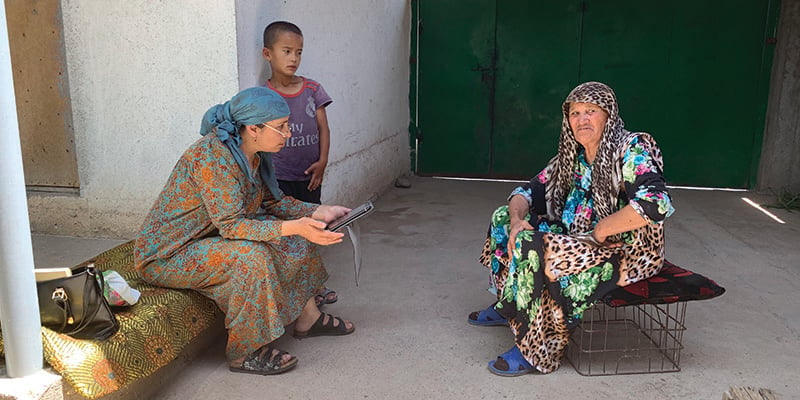
Fieldworkers learning how to collect eHCI data A fieldworker collects data for the eHCI in Tajikistan The rugged, landlocked Central Asian country of

We have developed best-practice suicide prevention guidelines for health professionals and community service providers to help them create safe spaces for LGBTQA+ young people.