Search
Exciting opportunity to join the dynamic communications team of The Kids Research Institute Australia.
Patient recruitment, sample collection & coordination of a clinical study in patients with rheumatic heart disease.
Manage the Learning & Development program for the Institute's staff and students so they can continue to learn and thrive trough various stages of their careers
This is a PhD Scholarship to undertake research in collaboration with The Kids Research Institute Australia and Curtin University
Work with established research projects in FASD within a broad strategy of work Making FASD History and secure new funding and collaborations.
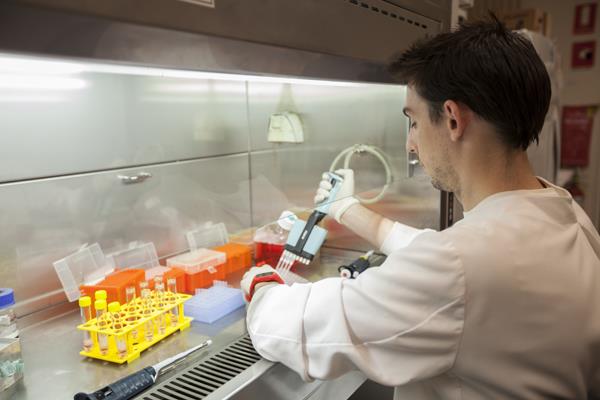
Our research teams are among the world’s best and we have strong affiliations with Perth Children's Hospital and all major Western Australian universities, particularly The University of Western Australia and Curtin University.
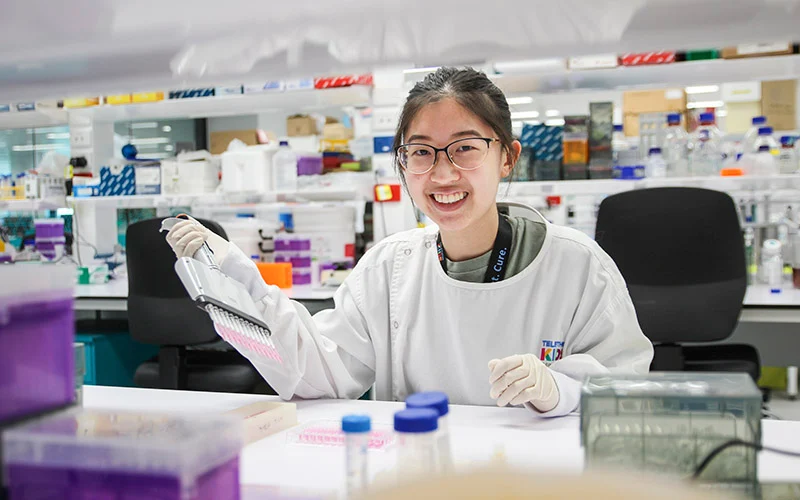
All students enroll for their degree through a university and undertake their research at the Institute under the supervision of an Institute researcher.
Following a youth community forum held in March 2016, The Kids Research Institute Australia established the first Youth Advisory Group to ensure that the research conducted about young people at the Institute, is influenced by young people.