
Search
News & Events
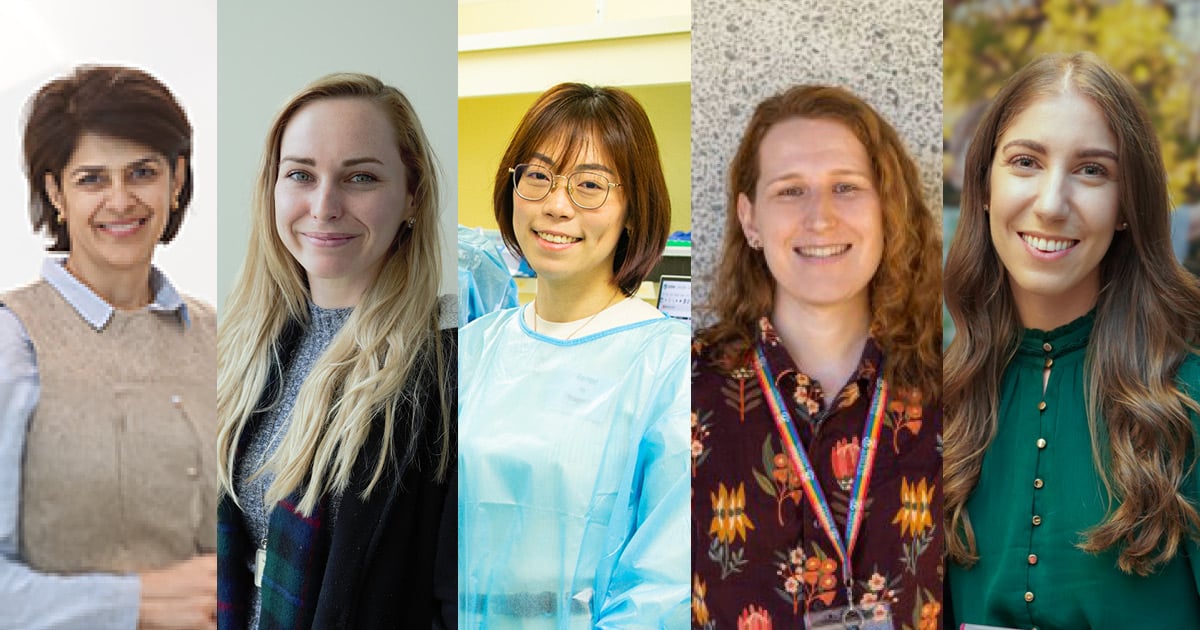
Five researchers from The Kids awarded Early Career Child Health Researcher FellowshipsFive researchers from The Kids Research Institute Australia have been awarded three-year fellowships with the aim of keeping more WA-based PhD graduates involved in child health research.
News & Events
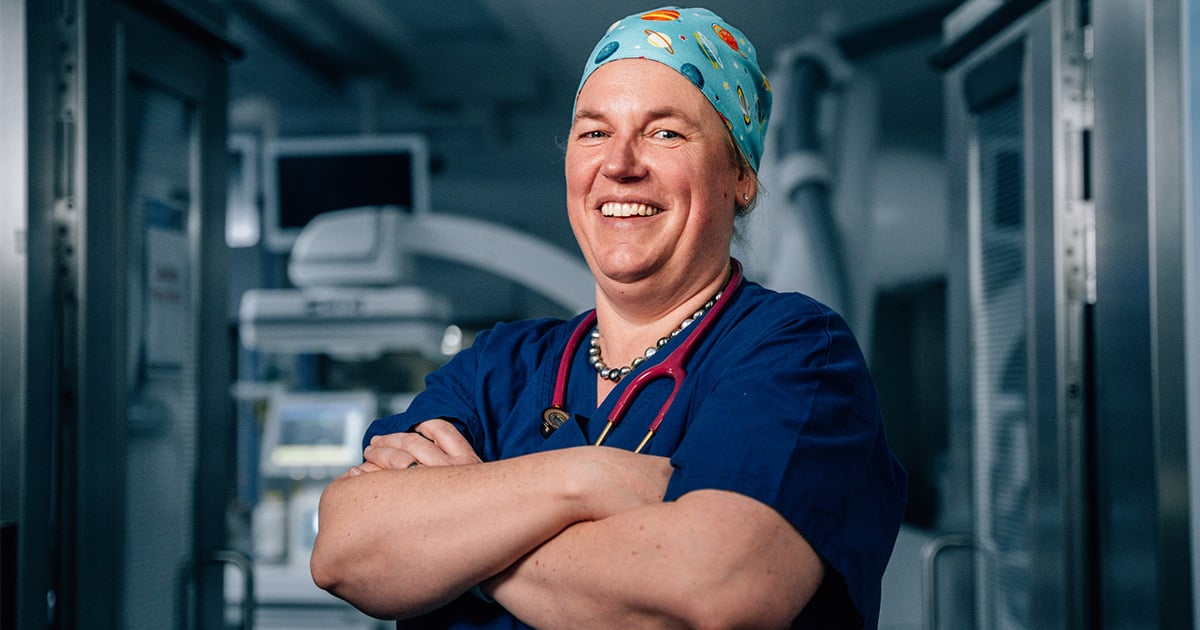
Prime Minister’s Prize for pioneering WA anaesthetistCongratulations to trailblazing Western Australian paediatric anaesthetist and researcher Professor Britta Regli-von Ungern-Sternberg, who has been awarded a prestigious Prime Minister’s Prize for Science for globally influential research that has made surgery and recovery safer for babies and children.
News & Events
Worrying trends reinforce need for kids health researchChild health experts are concerned by a significant increase in the number of Australian children requiring learning support at school.
News & Events
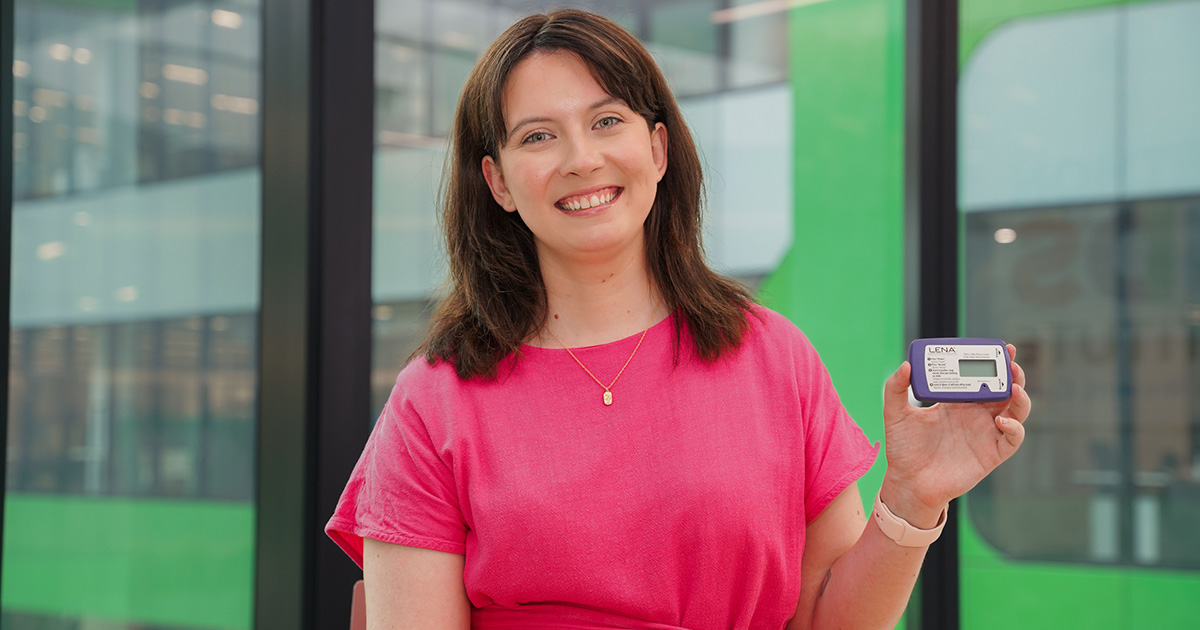
Early childhood researcher a finalist in peak South Australian science awardsA The Kids Research Institute Australia researcher whose PhD studies highlighted the link between screen time exposure and toddlers’ language development has been named a finalist in South Australia’s Science Excellence and Innovation Awards.
News & Events
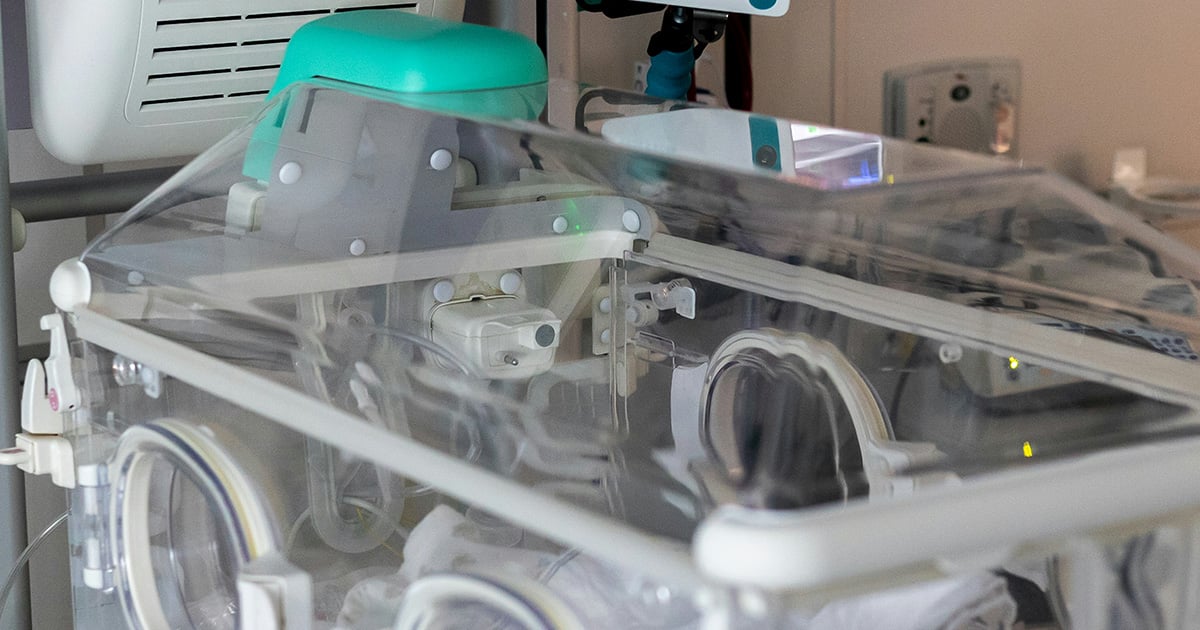
Researching support needs for dads with children in preterm careThe mental health and wellbeing of new fathers whose children end up in neonatal intensive care is the focus of a new project to be led by The Kids Research Institute Australia researchers, thanks to a $388,000 grant from Healthway.
News & Events
Stan Perron Charitable Foundation grants boost WA child health researchNew funding from the Stan Perron Charitable Foundation will support innovative research projects and programs at The Kids Research Institute Australia with the aim of improving the health and wellbeing of WA children and their families.
News & Events
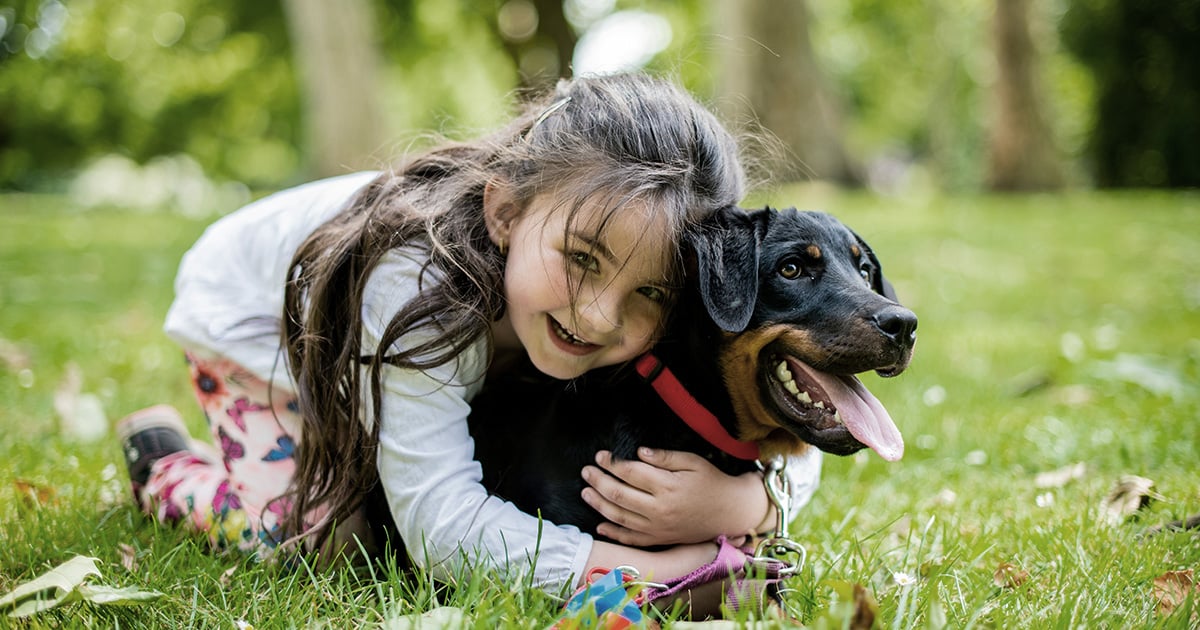
Study finds link between family dog ownership and girls’ physical activityResearchers have found a clear link between the acquisition or loss of a family dog and the level of physical activity undertaken by children in the family, with the impact most noticeable in girls.
News & Events
Joint Statement: New names reflect growing impact of Telethon and its beneficiariesBy mutual agreement with the Channel 7 Telethon Trust (Telethon), The Kids Research Institute Australia and Telethon Speech and Hearing will both rebrand in 2024.
News & Events
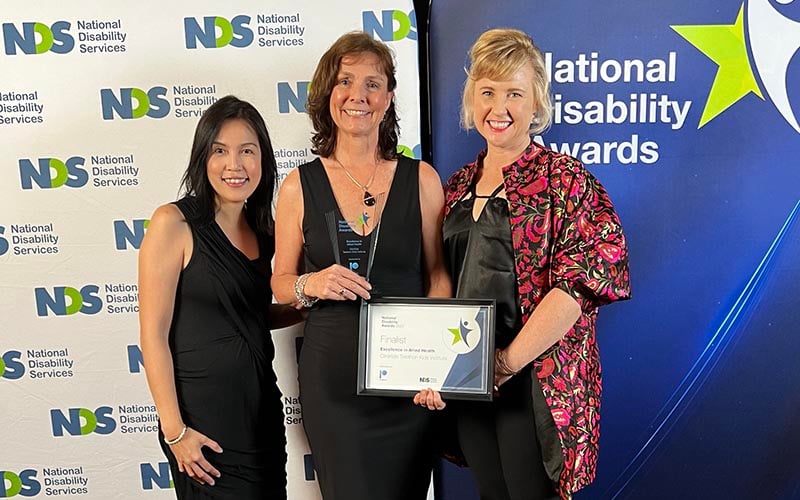
The Kids Research Institute Australia’s CliniKids wins national disability awardCliniKids has won the Excellence in Allied Health category at the inaugural National Disability Awards, announced in Melbourne tonight.
News & Events
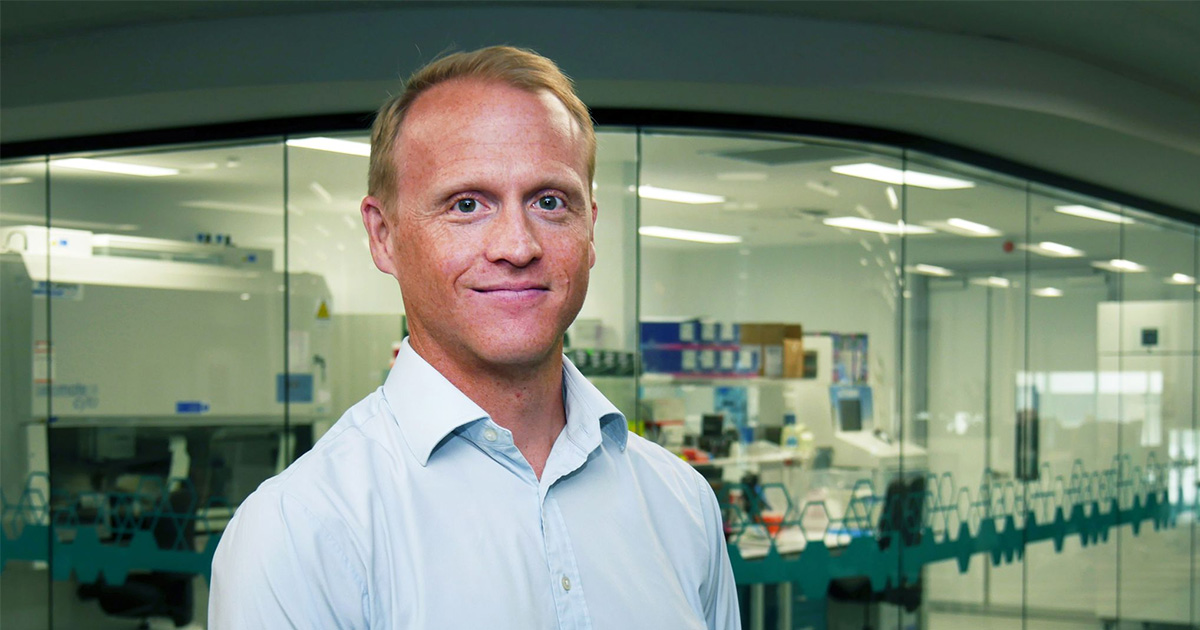
Opinion: Modelling for the health of our next generationNearly 170 years ago a British doctor applied geospatial mapping to identify the source of a cholera outbreak in central London. Using a street map to plot the location of the homes of the sick, Dr John Snow was able to pinpoint a ‘ground zero’ for the outbreak – a contaminated water pump.